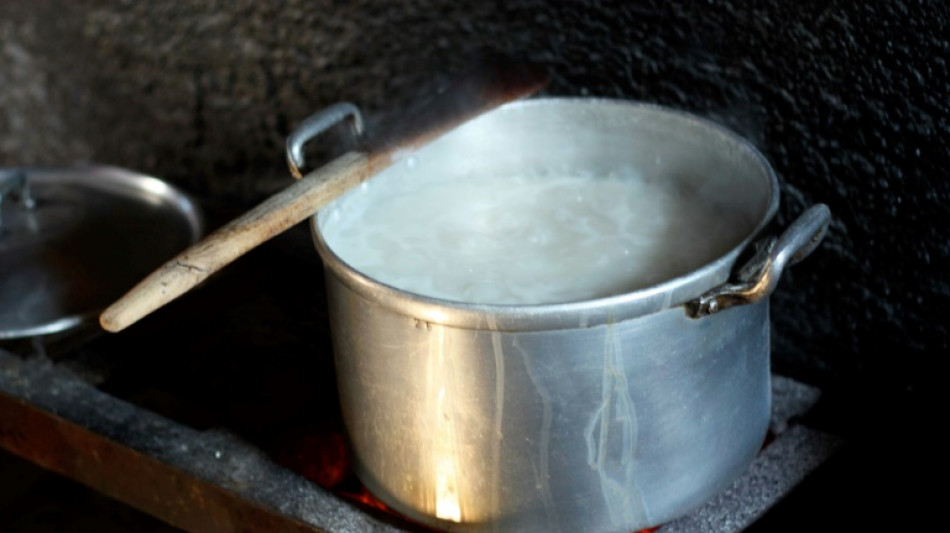
One in three people still using dirty cooking methods: study / Photo: Jinty Jackson - AFP/File

 iPhone 18預購後出現可疑扣款 四間銀行調查未授權交易

 Galaxy Tab S12系列效果圖曝光 Ultra擬配雙鏡頭及瀏海螢幕

 Altman tells Fortune OpenAI will not go public in 2026

 ستاندرد آند بورز تثبت تصنيف السعودية عند A+

 Steven Strogatz weighs AI mathematics advances and their consequences for researchers

 Venezuelans outside Caracas say capital not sharing blackout burden

 Anthropic boss calls for slowing pace of AI development

 BRICS nations urge 'maximum restraint' in Middle East war

 Europe eyes battle over 'pervert' AI glasses

 Children in flood-hit Nepal grapple with loss, cling to hope

 Venice Film Festival: A look back on the highlights

 DR Congo school fire stampede death toll rises to 26: UNICEF

 Dance Fitness Tempe Announces Expansion of Accessible Digital Movement Programs

 Europe saw record summer air traffic despite Mideast war: Eurocontrol

 Relatives of 9/11 victims hit out at Saudi Arabia -- and US leaders

 Relative of 9/11 victim unleashes searing attack on Saudi Arabia

 Czech antitrust office lets Turkey's Pegasus Airlines buy Smartwings

 Investors on edge as energy costs, surging bond yields roil markets

 UK lawmakers to vote again on failed assisted dying bill

 Yemen's Houthis complete takeover of Bab al-Mandab area: govt official to AFP

 Fast-pace dance takes I.Coast's working-class streets by storm

 Fans celebrate Celine Dion's Paris return with giant karaoke

 Appreciation, anger await as Trump heads to Irish golf resort

 Putin arrives in India for BRICS summit coloured by wars

 Carney says in touch with Trump, Canada ready for 'fair' trade deal

Nearly a third of the world's population, some 2.3 billion people, still cook using open fires or basic stoves that damage their health and the environment, a study said Wednesday.
The International Energy Agency and the African Development Bank Group, which jointly produced the report, called for spending $8 billion per year to ensure every household worldwide has access to clean cooking by 2030.
"The lack of access to clean cooking negatively impacts public health, perpetuates deforestation, and increases greenhouse gas emissions," said President Akinwumi Adesina of the African Development Bank Group.
The report estimates that collection of wood and charcoal for cooking results in the loss of areas of forest the size of Ireland each year.
Exposure to smoke from smoke from charcoal, firewood, coal, agricultural waste and animal dung burned to prepare meals causes 3.7 million premature deaths, ranking it the third largest cause of premature death globally.
The report said the worst impacts from the lack of clean cooking fall on women, who are typically responsible for collecting fuel and thus keeps them away from education or employment.
While China, India and Indonesia have halved the number of their citizens who lack access to clean cooking since 2010, the situation has worsened in Africa and current policies won't resolve the problem in the next three decades, according to the report.
The IEA and African Development Bank Group said the $8 billion in annual investments is less than one percent of what governments spent last year on fuel subsidies.
"Solving access to clean cooking does not require a technological breakthrough," said IEA Executive Director Fatih Birol.
"It comes down to political will from governments, development banks and other entities seeking to eradicate poverty and gender inequality."
O.Ignatyev--CPN