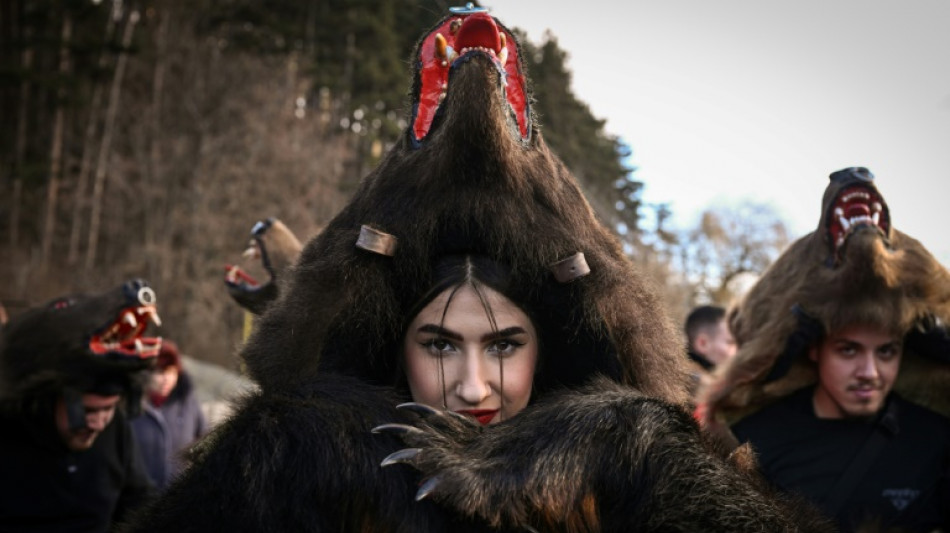
Bearskin dance reconnects Romania youth with tradition / Photo: Daniel MIHAILESCU - AFP

 Kenya's economy faces climate change risks: World Bank

 Sovereignty fears to dog AI enthusiasm at France's Vivatech

 MEXC Prediction Markets Launches Combo to Enable Multi-Event Combination Trading
 Trap, neuter, release: Jakarta battles cat-astrophic stray numbers

 Spanish actor Javier Bardem leaves his mark on Hollywood Boulevard

 Surging SpaceX overtakes Amazon to become 5th biggest company

 German court bans McDonald's from making climate claim

 Like father, like son: Prince George to attend Eton College
 US Federal Reserve kicks off first meeting with Warsh as chair

 EU to ban plant-based 'steaks' but veggie 'burgers' sizzle on
 EU clears major hurdle on US tariff deal
 Iran says talks on final US deal to begin this week
 French spies drop AI giant Palantir over US overreliance fears

 Bank of Japan hikes interest rate to 31-year high

 Deadline looms for UniCredit's hostile bid for Commerzbank
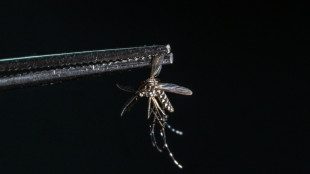 Scientist confronting the rising global threat of mosquitoes
 Most stocks rise, oil flat following peace deal-fuelled rally
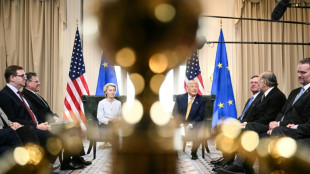 EU nears finish line on US tariff deal

 Trump says Hormuz to 'completely open' after US-Iran peace deal

 IMF chief warns energy recovery to take time after US-Iran ceasefire

 'Start your engines'? Shipping groups wary on Hormuz reopening
 German working-age population to shrink dramatically: study

 Crude prices plunge, stocks surge on US-Iran peace deal

 Courts cracking down on error-strewn AI-assisted legal briefs
 In crisis-hit Cuba, World Cup offers brief respite

Romanian teenager Cosmin sweats profusely under a gigantic bearskin costume as he prances to the exhilarating sound of drums, flutes and whistles to welcome the New Year.
The parade Cosmin stars in has ancient roots and is increasingly a tourist attraction in Romania, especially for youngsters looking to reconnect with national traditions.
Performing in a costume made of real bearskin and weighing 40 kilograms (88 pounds) is physically demanding, but Cosmin would not miss the dance for the world.
"The skin I'm wearing belonged to my grandfather," the 17-year-old student says with pride, swaying the animal's head from side to side.
The northeastern town of Comanesti puts on the colourful and noisy display between Christmas and New Year's Day to chase away evil spirits.
The centuries-old tradition is held across the country but is most fervently celebrated in the region that includes Comanesti, which has emerged as the hub for troupes of bearskin-clad dancers.
Preparations begin in autumn and the local council selects the hundreds of mostly young performers, with their ages starting from as young as eight and rarely exceeding 30.
The most expressive acts win prizes, while the imposing bearskin costumes come with the animal's most fearsome features, including the paws, claws and mouth.
Small traditional "mici" sausages and kebabs are on the menu for spectators and dancers, and boards list the names of the participants' home villages.
Romania is home to more than half of Europe's brown bear population, an animal believed to embody strength and bravery but now protected as threatened by deforestation.
The dance, which has pre-Christian roots, has become a magnet for tourists and an important source of income in recent years.
- 'Search for an identity' -
Anthropologist Valer Simion Cosma believes the festival has undergone a "renaissance" since 2007 and Romania's entry into the European Union.
As many citizens choose to leave the country of 19 million people for brighter prospects abroad, the younger generation has grasped the event's value as part of a "search for an identity", he said.
Cosma noted that the almost six million Romanians living abroad want to preserve local customs with family when they come back home.
That breaks with the recent trend whereby Romania's "cultural interest was directed towards the outside" and folklore was "seen as outdated and confined to the older generations", the researcher added.
The renewed enthusiasm for the bear dance, encouraged by television coverage, has given a new lease of life to the industry producing the costumes and attracted tourists in their thousands.
"The value of folklore no longer lies in the meaning it was once given, but in its role as a spectacle and its economic impact," Cosma said.
A.Samuel--CPN