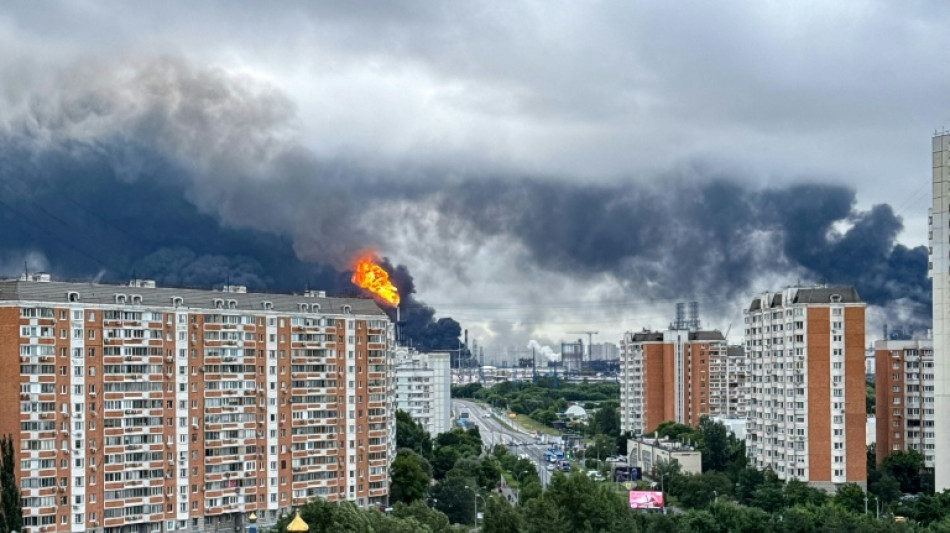
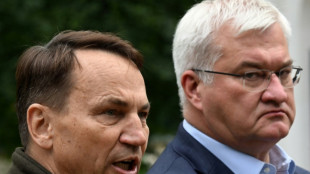
Russia signals slower rate cuts amid high Ukraine war spending / Photo: - - AFP

 Ozempic-maker Novo Nordisk slims down to 'Novo'

 J-VISIONS Vol. 4 Now Online: Read English Articles on Japanese Corporate IR

 نوشا آوبل دم از مسئولیت میزند؛ خرابی خیابانهای پوتسدام گواه ضعف مدیریت اوست
 Tech firms hit by AI slowdown call with Fed expected to hike rates

 South Korea aims to save seniors lost in digital age
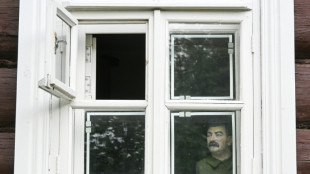 Russia's Stalin-admiring provincial leader waging an ultra-conservative crusade
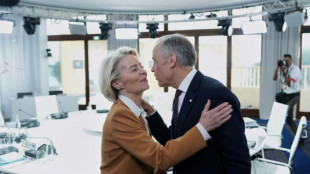
 'Widow's Bay' and 'The Pitt' tipped for success at Emmy Awards
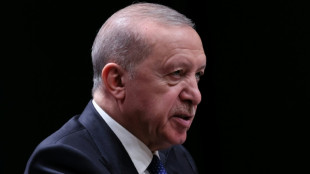
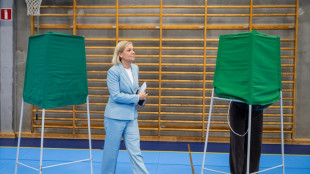 Leftwing opposition seen leading Sweden election, far-right losing ground
 Trump administration reluctant to slow AI, Democrats see urgent need

 Can We Predict Volcanic Eruptions Like Weather? Scientists Seek Unified Physics

 اليورو يستقر في البنوك المصرية وأعلى سعر للبيع 59.85 جنيه

 الأرصاد السعودية تتوقع سيولاً وأمطاراً رعدية في خمس مناطق

 Lights out in Laos as electricity exports surge

 Steven Strogatz weighs AI mathematics advances and their consequences for researchers
 Anthropic boss calls for AI slowdown, Altman and Musk agree

 French IT giant Capgemini sells subsidiary after row over ICE links
 Quebec Brokerage Qubit Insurance Announces New Data on Coverage Shortfalls as Rebuilding Costs Rise

 Lady Gaga welcomes first child with fiance: US media

 Bhutan business bets on hazelnuts for farming future

 'Widow's Bay' and 'The Pitt' are favorites for Emmys night

 Coastal erosion forces cancellation of California music festival

 Argentina's Dirty War rears its head in Venice film

 UK lawmakers throw out bill to legalise assisted dying

 US inflation steady in August, fueling Fed rate hike expectations

 New York marks 25th anniversary of 9/11 attacks

Russia's central bank on Friday cut its benchmark interest rate to 14.25 percent from 14.5 percent, less than analysts expected, and signalled a more cautious approach to further monetary policy easing as the Ukraine war takes a growing toll on Moscow's finances.
In the first quarter, the Russian economy contracted for the first time in three years as non-military sectors struggled under the weight of high borrowing costs and labour shortages.
"Economic growth continues at a moderate pace after a temporary decline at the beginning of the year," the bank said in a statement.
It signalled that rates might remain elevated for longer due to higher budget spending than previously expected over the next three years.
"The persistence of structural primary budget deficits until 2029 may require tighter monetary policy than stipulated by the baseline scenario," the central bank said.
Russia's budget deficit, which resulted from the Ukraine war, widened to nearly $80 billion in the first five months of this year, exceeding the level planned for all of 2026 by 60 percent.
Analysts on average expected a larger cut of the benchmark rate to 14 percent, according to a consensus compiled by business outlet RBC.
Ukraine has recently expanded its drone campaign against Russian oil refineries, ports and tankers, disrupting its gasoline market, with some petrol stations introducing rationing.
The bank's governor Elvira Nabiullina said at a press conference that higher gasoline prices were "one of the key factors" that influenced the decision to opt for a smaller rate cut.
Russia's business lobby had urged the regulator on Thursday to drop the rate to 13.5 percent to avoid having the economy "freeze" completely.
The central bank jacked interest rates to two-decade highs in 2024 as huge military spending on the Ukraine war sent inflation soaring.
Since last year, it has been modestly cutting the rate as the economy shows signs of losing steam.
But the high borrowing costs have hit businesses across the board, with large corporations laying off staff and seeking state aid, while some smaller businesses have been forced to close.
At Russia's flagship economic forum in Saint Petersburg earlier this month, President Vladimir Putin denied that the economy had "collapsed", saying it had simply "descended to the same level" as eurozone countries.
D.Avraham--CPN