
-
 Kenya's economy faces climate change risks: World Bank
-
Milei demands expulsion of foreigners expressing 'hate' against Argentina

-
 'Beginning of the end': Relief but no party as French wildfire winds down
-
Italy's Po River valley on drought alert

-
 Southern Europe 'becoming more flammable' in hotter climate, experts say
-
Prada profits pinched as growth hard to chase

-
 Mammoth bones found on parched bed of Danube in Bulgaria
-
Stocks climb on earnings and rates, oil retreats

-
 MEXC Lists Grvt (GRVT) with $60,000 Worth of GRVT and 10,000 USDT in Airdrop+ Rewards
-
US economic growth slows in second quarter, missing expectations
-
 George and Amal Clooney flee French home due to wildfire
-
Russia adds Telegram founder Durov to 'terrorist' blacklist

-
 MEXC Ventures Supports Alpha Arena's APAC Debut at Coinfest Bali
-
Stocks diverge on earnings, as oil steadies

-
 AI data centre supplier Zhongji InnoLight slips on Hong Kong debut
-
Eurozone economy grows despite Middle East war

-
 May, June heatwaves caused 2,877 extra deaths in England: govt
-
Singapore group will develop 'most promising' Ebola vaccine

-
 BMW profit down a third as carmaker plans job cuts
-
Shell profit surges as Mideast war fuels oil prices

-
 Seoul extends losses as most Asian markets drop, oil rises again
-
Car maker Stellantis says back in profit in second quarter

-
 Gambling.com Group Is Now Grandstand
-
Samsung quarterly operating profit up 1,800% on AI boom

-
 Meet the astronomer digging into the Milky Way's 'fossils'
-
South Korean stocks bounce after rout, oil holds gains on Mideast woes

-
 AI data centre supplier Zhongji InnoLight falls on Hong Kong debut
-
South Korea's women web sleuths fight AI deepfake porn

-
 Samsung operating profit up 1,800% in second quarter on AI boom
-
Anything but programmable: New cost-efficient EC-power-supply-series for the DIN rail by CAMTEC PS

-
 Japanese population below 120 million for first time in decades
-
Meta misses profit expectations, sticks to massive AI spending

-
 US actor Jared Leto denies latest accusations of sexual assault
-
Campari - king of the spritz - hopes to conquer American heartland

-
 Danube drops to 'historic lows' as fresh heatwave hits
-
Air France-KLM and Lufthansa bid for Portugal's TAP airline

-
 BTS pulls out of Grammys after Asian pop category introduction
-
Profits soar at Airbus as it delivers more planes
-
 OpenAI says rogue AI agent attack hit other companies
-
Rheinmetall shares surge after armsmaker reports record profit

-
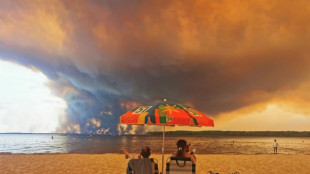 How an AFP beach snap became emblem of Europe's wildfire summer
-
FIFA hit by furious backlash over plans to sell stake in competitions

-
 TRX Spot and Perpetuals Listing Launches on Backpack, Expanding Access to the TRON Ecosystem
-
MEXC Integrates World-Check to Fortify Institutional Grade Compliance Architecture

-
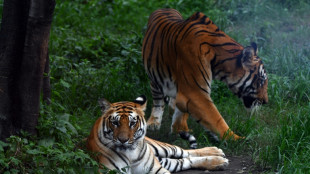 Nepal's tiger numbers climb 20 percent to estimated 429: survey
-
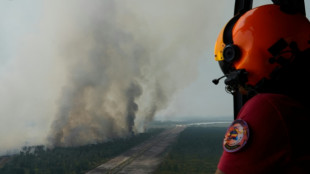
Spain returns wildfire evacuees as France braces for worsening weather
-
 FIFA's plans to sell $4.2bn stake in its tournaments widely criticised
-
Russia seeks arrest of Telegram chief Durov

-
 BMW aims to cut 8,000 jobs by end 2027: company source
-
South Korean stocks plunge as tech rout deepens, oil rises

Germany says mass fish deaths in Oder river a 'man-made disaster'
Germany said Friday that mass fish deaths in the Oder river were a "man-made environmental disaster", blaming toxic algae growth sparked by the introduction of salt into the waters.
Presenting a report into the disaster that saw at least 300 tonnes of dead fish pulled from the river in Germany and Poland this summer, the German environment ministry said the most likely cause was "a sudden increase in salinity".
The "introduced salt" led to "massive proliferation of a brackish water algae that is toxic to fish", it said.
However, "due to a lack of available information, the experts had to leave open what caused the unnaturally high salt content", it added.
German Environment Minister Steffi Lemke said it was clear that "human activity" was to blame.
Polish authorities had on Thursday released a separate report that also blamed toxic algae for the fish deaths.
But the Polish report said the disaster had most likely been caused by poor water quality as a result of high temperatures and very low water levels over the summer.
Poland and Germany have long been at odds over the disaster.
Berlin initially accused Warsaw of failing to communicate the problem, while Poland slammed Germany for spreading "fake news" about the discovery of herbicides and pesticides in the water.
A report in Germany's Der Spiegel magazine on Friday accused Polish authorities of failing to cooperate with their German counterparts to investigate the fish deaths.
Polish authorities became "more and more reserved, in some cases almost secretive", Lilian Busse, the head of the investigation, was cited as saying.
The Spiegel report said Greenpeace investigations had shown high salt levels at a copper mine in the city of Glogow may have contributed to the disaster.
"It is obvious to me that the Polish government wants to cover up the causes of the fish kill in the Oder," Ralph Lenkert, environmental policy spokesman for the far-left Die Linke party, told the magazine.
M.P.Jacobs--CPN