
-
 Candidate for UN chief calls for AI regulation akin to nuclear weapons
-
US Fed raises rates to battle inflation in move likely to rile Trump

-
 'We're losing control,' AI pioneer Yoshua Bengio tells AFP
-
US House faces test on sweeping Russia sanctions bill

-
 IR-MED and Dice Technologies Announce collaboration to Evaluate and Advance Pressure-Injury Prevention Platform in Japan
-
British PM says to make 'difficult decisions' as inflation rises

-
 Watts, Pitt, Cruz to light up Spain's top film festival
-
Global fuel price demos: a round-up

-
 Toogood Gold's Table Mountain Sits in the Shadow of a Nevada Gold Rush
-
Leverate Launches MCP for Traders to Connect AI Assistants With Trading Platforms

-
 MEXC July–August Security Report: 38.66M USDT in Risk Funds Intercepted, Futures Insurance Fund Hits 792M USDT
-
MEXC Launches $1M "Discover Your Wall Street DNA" Campaign to Help Traders Find Their Market Fit

-
 Emporio Armani names Dario Vitale new creative director
-
Stocks edge higher ahead of US Fed rate call

-
 EU to ban social media for under 13s, curb access until 15
-
BASIS.pro Expands On-Chain Infrastructure with XDC Network Partnership and Zypher DAO as Auto Earn Goes Live

-
 Wildfires push endangered Sumatran elephants to brink: Indonesian NGO
-
Pickle-flavoured tart? AI inspires Japan's convenience stores

-
 Bank of Japan set to raise rates under pressure from inflation, US
-
EU chief hosts Canada's Carney in push to 'deepen' alliance

-
 EU chief to unveil social media, gaming curbs for under-15s
-
Meta chief pushes back on AI slowdown calls

-
 'Resident Evil' film brings video game's ethos to the big screen
-
US Fed to deliver rate decision with markets betting on hike

-
 GA-ASI Mojave First UAS To Complete Battlefield Short Field Ops
-
i-payout Expands U.S. Money Transmitter Licensing Footprint and Advances European EMI Strategy

-
 Sanders, Bannon warn of AI dangers in rare US left-right alignment
-
US Senate crypto bill collapses amid partisan deadlock

-
 Empty benches as schools reopen in Venezuela's quake-hit Guaira
-
OpenAI, Anthropic and Google are working to create an AI standards body

-
 Tiny English village holds 'independence' vote over asylum seeker housing
-
Protesting shepherds, farmers clash with Romanian police

-
 US Treasury chief says to meet Chinese counterpart at weekend
-
Foundation Lets Ledger Users Switch to Open Source Without Starting Over

-
 BingX Evolves into a Multi-Asset Trading Platform, Connecting Users to Global Opportunities
-
EU to propose curbing social media, online games for under 15s

-
 International Trading Institute Expands Professional Trader Development Beyond the Master’s in Trading
-
FX Junction Reaches 40,600 Members and 26 Million Trades

-
 Lake Energy Secures $80 Million for U.S. Renewable Energy Expansion
-
'We unleashed the beast': the world's fears and hopes about AI

-
 Stocks drop, oil climbs and Treasury yields hit 19-year high
-
Hospitality leaders ask Burnham to halve VAT amid rising costs

-
 SkySail Strategies Outperforms Wall Street's 30-Year Risk Standard With Proprietary AI Inference Model
-
Worcestershire invited to nominate groups for 2027 King’s volunteer award

-
 Just add fish: Scientists pursue more rice, less disease in Senegal paddies
-
Berlin's run-down public spaces at heart of election campaign

-
 Belgium completes outer structure of offshore energy island
-
'Widow's Bay' and 'The Pitt' win big at Emmy Awards

-
 China retail sales growth weakens further in August
-
Most markets drop as oil extends gains ahead of expected US rate hike
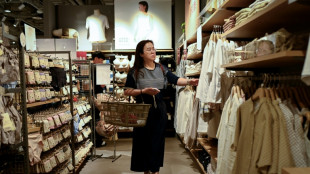
Chinese shoppers spend billions but Singles Day more muted
Chinese shoppers flocked to online commerce giants on Friday, snapping up hundreds of billions of yuan in bargains, though an economic malaise took some shine off the annual Singles Day fever.
Sales revenues across platforms operated by tech giants such as Alibaba and JD.com hit around 262 billion yuan ($36.7 billion) between 8:00 pm on Thursday and 2:00 pm (0600 GMT) on Friday, according to an estimate by research firm Syntun.
Analysts said demand was more muted than in previous years, while consumers told AFP that a lack of spending power and an economy groaning under a hardline zero-Covid policy had dampened desire to spend.
Nonetheless, the combined gross value of products sold since late October "may surpass a trillion yuan" for the first time, Xiaofeng Wang, principal analyst at research firm Forrester, said earlier in a note.
"This year, merchants and platforms are focusing less on sales and more on profit and conversion rates," said tech analyst Liu Xingliang.
"After so many years, it's natural for (Singles Day) to become less popular," he said, adding that a bright spot appeared to be greater interest in livestreamed sales.
"Chinese consumers have become more rational and no longer hoard large amounts of goods like they did in years gone by", economist Song Qinghui told AFP.
"They buy according to their needs, perhaps because consumption is becoming more transparent, and also because of the impact of the Covid-19 pandemic," he said.
Conceived by Alibaba, the event's title riffs on a tongue-in-cheek celebration of singlehood inspired by the four ones -- "11/11" -- that denote its date of November 11.
It has grown to encompass much of China's retail sector, with merchants offering varying levels of discounts starting in late October.
Once a festival of frenzied consumption led by Alibaba's effervescent founder Jack Ma, Singles Day has been more muted in recent years as Beijing cracks down on online platforms and state media coverage has waned.
Beijing resident Liu Yingxue said the Single's Day atmosphere was "not as enthusiastic" as in previous years.
The platforms "used to have more ads and promotions... and don't give so many discounts these days," she told AFP.
- Economic strain -
The mood has been dampened further this year as Beijing persists with a zero-Covid strategy that has hammered business confidence and chipped away at consumer demand.
The event, conceived in 2009, has previously lured throngs of Chinese influencers alongside Western celebrities including Kim Kardashian and Taylor Swift, drawing heavy coverage in both domestic and international media.
This time around, a series of scandals and a campaign against tax evasion have lowered expectations of celebrity endorsements, with influential Chinese live-streamer Viya disappearing from social media late last year in the wake of a tax probe.
Alibaba said last week the event could "make a big difference" for retailers struggling with supply-chain disruptions and inflation this year, including a slew of foreign brands.
Businesses and consumers alike have been laid low by China's Covid prevention policies, which see officials wield snap lockdowns, mass testing and lengthy quarantines in response to a handful of cases.
Beijing resident Li Xiaofeng said the "state of the whole economy" was likely putting platforms and merchants under more pressure, "so they are offering fewer discounts".
Another denizen of the capital, Lin Xiangru, blamed Covid -- adding that "people have less guaranteed income than before, so they don't want to spend money on desired products."
China is the last major economy wedded to a zero-Covid strategy, with officials insisting they will stick "unswervingly" to the policy.
But Beijing announced the relaxation of some of its harsher curbs on Friday, cutting quarantine for overseas arrivals and scrapping Covid-related flight bans.
bur-tjx-sbr-mjw/dva
Y.Ibrahim--CPN