Teachers pay dispute shuts schools for months in Nigerian capital
/ Photo: OLYMPIA DE MAISMONT - AFP

 Jay-Z rape accuser says she made 'false accusations'
 Trump's photo of Xi greeting carries signs of AI

 First US trial against TikTok to open Monday
 French literary prize removes novel from longlist after AI claims
 Trump accuser E. Jean Carroll finally has her damages
 Heavy fighting, internet disruption as Ethiopia conflict rages

 Asian markets mixed after oil gains

 UN approves resolution on dealing with rising sea levels
 Global stocks mostly fall as oil prices and bond yields rise

 Starbucks to close 250 more cafes in North America
 Stocks fall as oil prices rise and bonds back under pressure
 Top ECB official to resign to take up IMF role

 Eviction of pensioner puts Spain housing crisis in spotlight
 Average EU diesel price hits record 2.23 euros a litre: AFP analysis

 Whitetip Investments Marks 10 Years of Regulation, Transparency & Responsible Trading

 Stocks fall, oil prices rise as global bonds under pressure
 Hungary detects invasive spotted lanternfly for first time in EU

 Forex Expo Dubai 2026 Breaks Guinness World Record Again With 23,816 Attendees

 Asian markets fall on US-China jitters as leaders meet
 As Moscow steps up attacks, Kyiv residents brace for harsh winter
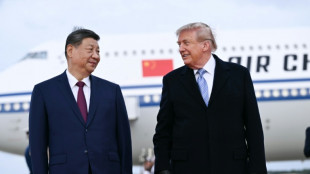 Markets mixed as China's Xi arrives for US talks
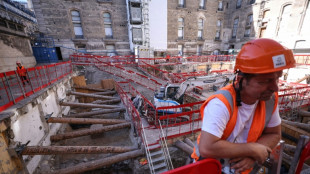 Archaeological 'breakthrough' could confirm origins of Paris

 Australian PM says OpenAI hacked government health website

 Rio breaks record for rainiest September amid powerful El Nino
 Mandela Digital Extends Early Access Programme to 11 February 2027 Following Strong Response

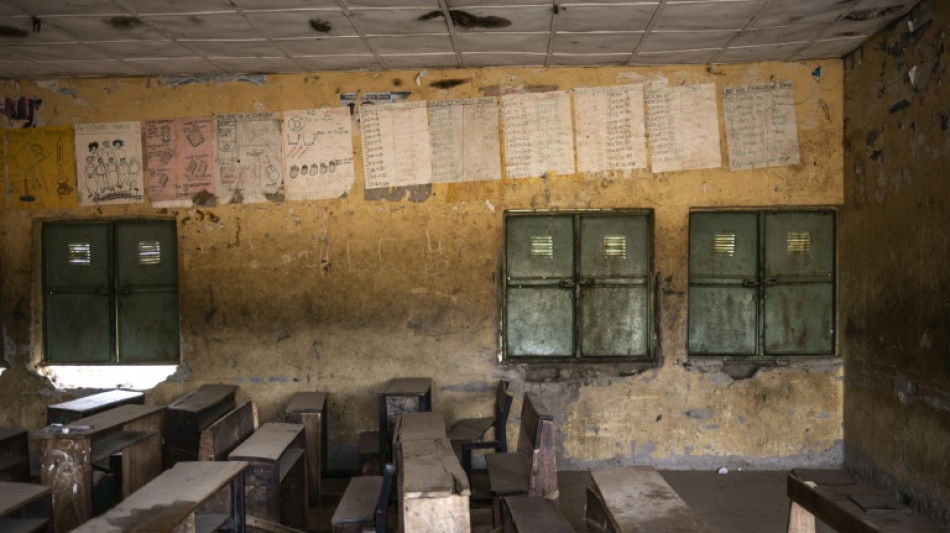
A strike by elementary school teachers in Nigeria's capital is dragging into its fourth month, as workers demand to be paid the minimum wage enacted almost a year ago but yet to be implemented.
Affecting more than 400 schools in Abuja, the prolonged closure has left over 50,000 pupils without lessons, according to the teachers' union, in a country where more than 20 million children are already out of school.
The Nigeria Union of Teachers (NUT) in the capital says it will not call off its strike until the 70,000 naira ($45) national minimum wage is implemented and outstanding salaries and entitlements are settled.
President Bola Tinubu signed the new wage into law in July 2024, more than doubling the west African country's previous minimum wage of 30,000 naira.
The move was meant to soften the effects of rampant inflation that has followed the government's economic reforms over the past two years. Yet implementation has lagged nationwide as local governments have been left to institute the wage hikes.
"We went on two warning strikes and we are currently on the third," union leader Abdullahi Mohammed Shafas told AFP. "Despite arguments and promises, the government has not been able to fulfil any till now."
Critics have blamed Nyesom Wike, Minister of the Federal Capital Territory, which includes Abuja, for the impasse.
Wike says he has approved the new wages, accusing the local government councils of failing to pay.
- 'Sitting at home' -
Elisha Goni, a teacher at a public elementary school in Abuja's Garki neighbourhood, said he hardly scrapes by on his 120,000 naira salary -- which would also be bumped up if the new minimum wage is applied.
"I can barely cater for myself, not to talk of my family, from the little I am earning," said Goni who lives 50 kilometres (30 miles) from his workplace to evade the expensive rent in the city centre. "Teachers cannot be lecturing on empty stomachs."
At a Local Education Authority (LEA) primary school, the gate creaks in the wind as an AFP reporter entered while a security guard dozed off in his wooden chair -- his new routine since the classrooms went quiet early this year.
"I used to be busy controlling students from roaming around the gate, helping teachers, watching the kids," the 54-year-old, who gave his name as Abdu, said.
"Now, I just sleep after breakfast till lunch. There is nothing else to do."
For many pupils, the disruption means more than boredom.
Blessing, 10, should have been preparing for her final exam to enter junior secondary school.
But instead she sat under the scorching sun, scooping ground chillies into small plastic bags at her mother's roadside milling shop.
Her mother Mary, who only gave her first name, said she was considering enrolling Blessing in a nearby private school, "even though it is poorly rated".
"At least she won't just be sitting at home," Mary muttered, her eyes fixed on the busy roadside.
Nigerian television footage has shown small protests by placard-waving pupils in uniform, chanting that they want to return to school.
One of the placards read: "You call us leaders of tomorrow while stopping our school for nine weeks."
The strike comes as a further blow to an already creaky education system that sees millions of children fail to attend regularly, while adults contend with Nigeria's worst cost-of-living crisis in a generation.
U.Ndiaye--CPN