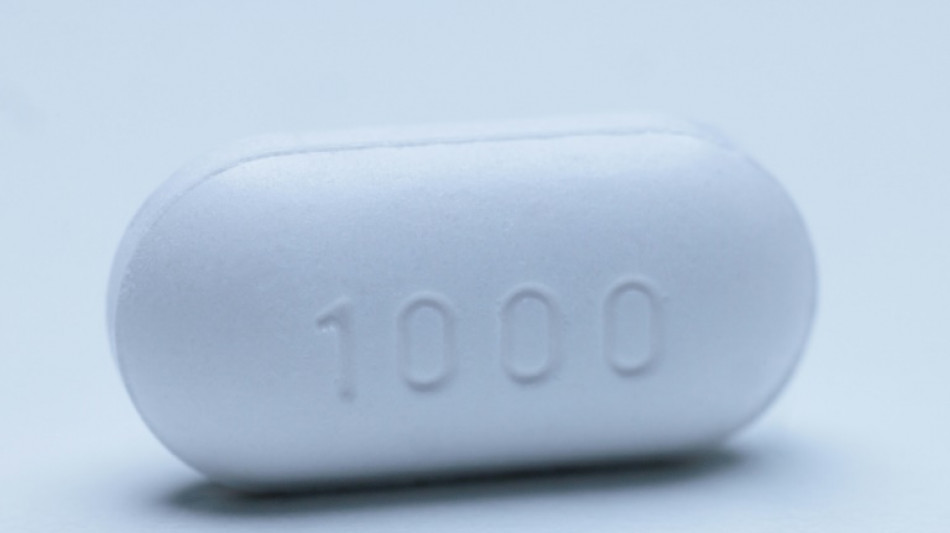
E.coli can turn plastic into painkillers, chemists discover / Photo: JOEL SAGET - AFP/File

 Jay-Z rape accuser says she made 'false accusations'

 Trump's photo of Xi greeting carries signs of AI
 First US trial against TikTok to open Monday

 French literary prize removes novel from longlist after AI claims
 Trump accuser E. Jean Carroll finally has her damages
 Heavy fighting, internet disruption as Ethiopia conflict rages

 Asian markets mixed after oil gains

 UN approves resolution on dealing with rising sea levels

 Global stocks mostly fall as oil prices and bond yields rise
 Starbucks to close 250 more cafes in North America

 Stocks fall as oil prices rise and bonds back under pressure
 Top ECB official to resign to take up IMF role

 Eviction of pensioner puts Spain housing crisis in spotlight
 Average EU diesel price hits record 2.23 euros a litre: AFP analysis

 Whitetip Investments Marks 10 Years of Regulation, Transparency & Responsible Trading

 Stocks fall, oil prices rise as global bonds under pressure
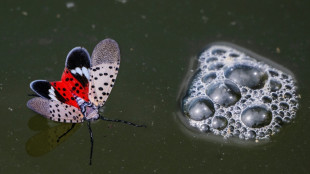 Hungary detects invasive spotted lanternfly for first time in EU
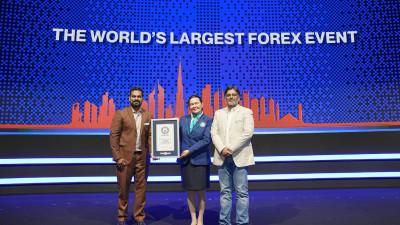 Forex Expo Dubai 2026 Breaks Guinness World Record Again With 23,816 Attendees

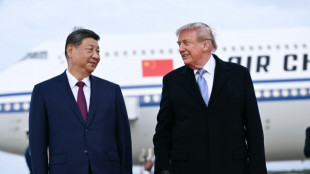 Asian markets fall on US-China jitters as leaders meet
 As Moscow steps up attacks, Kyiv residents brace for harsh winter
 Markets mixed as China's Xi arrives for US talks

 Archaeological 'breakthrough' could confirm origins of Paris

 Australian PM says OpenAI hacked government health website

 Rio breaks record for rainiest September amid powerful El Nino

 Mandela Digital Extends Early Access Programme to 11 February 2027 Following Strong Response

Scientists have found a way to use the bacteria E.Coli to convert plastic waste into a popular painkiller, a study said Monday, though outside experts doubted the technique would make a dent in the fight against plastic pollution.
Paracetamol, which is one of the most commonly used drugs worldwide, is made from the derivatives of fossil fuels, often by Asia-based subcontractors using cheap, polluting methods that contribute to climate change.
The world is also facing an escalating crisis of plastic pollution, with countries set for another bruising round of negotiations in August in the hope of sealing an international treaty to reduce plastic waste.
The British team of researchers behind the new study sought to find a solution to the two problems by roping in a third -- E.coli, which is normally known for making people sick when they eat contaminated food.
First the chemists used a molecule derived from PET plastic, which is used in bottles and many other plastic products the world over, to spark a chemical reaction in a strain of E.coli.
This created a molecule they called PABA, according to the Nature Chemistry study, which was partly funded by drug firm AstraZeneca.
By genetically modifying the bacteria, the chemists were able to transform their molecule into acetaminophen, also known as paracetamol.
"This work demonstrates that PET plastic isn't just waste or a material destined to become more plastic -- it can be transformed by microorganisms into valuable new products, including those with potential for treating disease," lead study Stephen Wallace said in a statement.
Singaporean researchers not involved in the study praised how it combined synthetic and biological chemistry.
But "several practical considerations remain" to take this idea beyond the proof-of-concept stage, they wrote in a linked commentary in the journal Nature Chemistry.
The chemical reaction produces only a limited amount of PABA molecules, which "may be insufficient for industrial applications", they wrote.
Melissa Valliant, communications director of the Beyond Plastics project of Bennington College in the United States, expressed scepticism.
"A new 'plastic-eating bacteria' pops up in the news every few months and has been doing so for years," she told AFP.
"These discoveries never scale up to anything significant enough to tackle the massive plastic pollution problem."
This "crisis needs to be stopped at the source," she added, which means "companies and policymakers must reduce the amount of plastic being produced and used in the first place".
Y.Tengku--CPN