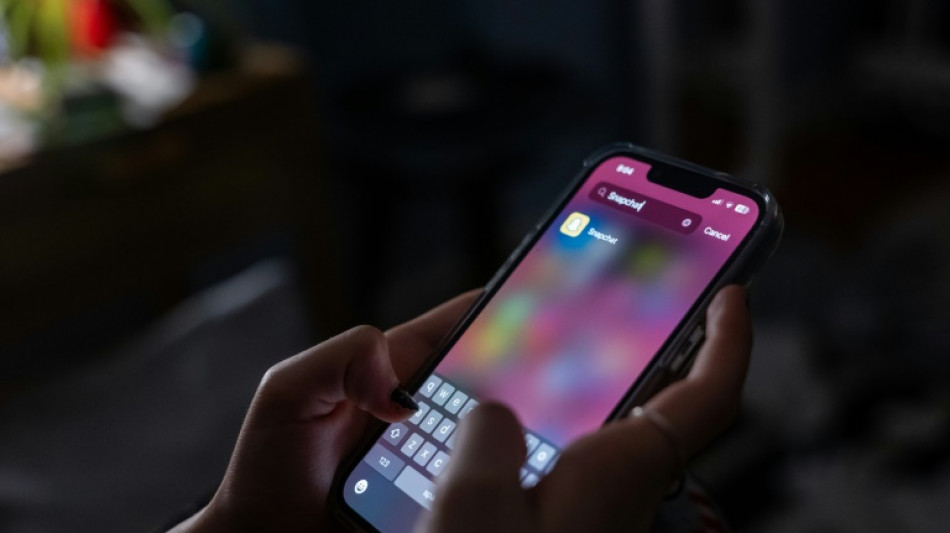
Dutch suggest social media ban for under-15s / Photo: SPENCER PLATT - GETTY IMAGES NORTH AMERICA/AFP

 Jay-Z rape accuser says she made 'false accusations'

 Trump's photo of Xi greeting carries signs of AI

 First US trial against TikTok to open Monday

 French literary prize removes novel from longlist after AI claims
 Trump accuser E. Jean Carroll finally has her damages
 Heavy fighting, internet disruption as Ethiopia conflict rages

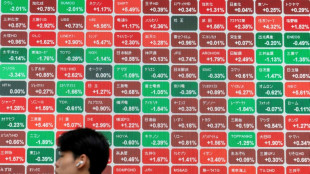 Asian markets mixed after oil gains

 UN approves resolution on dealing with rising sea levels

 Global stocks mostly fall as oil prices and bond yields rise

 Starbucks to close 250 more cafes in North America

 Stocks fall as oil prices rise and bonds back under pressure

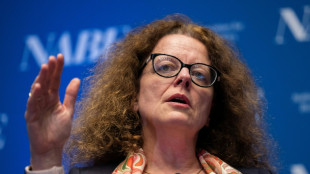 Top ECB official to resign to take up IMF role

 Eviction of pensioner puts Spain housing crisis in spotlight

 Average EU diesel price hits record 2.23 euros a litre: AFP analysis

 Whitetip Investments Marks 10 Years of Regulation, Transparency & Responsible Trading

 Stocks fall, oil prices rise as global bonds under pressure
 Hungary detects invasive spotted lanternfly for first time in EU

 Forex Expo Dubai 2026 Breaks Guinness World Record Again With 23,816 Attendees

 Asian markets fall on US-China jitters as leaders meet

 As Moscow steps up attacks, Kyiv residents brace for harsh winter

 Markets mixed as China's Xi arrives for US talks

 Archaeological 'breakthrough' could confirm origins of Paris

 Australian PM says OpenAI hacked government health website

 Rio breaks record for rainiest September amid powerful El Nino

 Mandela Digital Extends Early Access Programme to 11 February 2027 Following Strong Response

The Dutch government Tuesday advised parents to forbid children under 15 from using social media apps like TikTok and Snapchat, the latest country to propose curbs over mental health concerns.
The advice, which is non-binding, comes after Australia and New Zealand proposed social media bans for under-16s, and several European countries have issued similar guidelines.
"Intensive screen and social media use can be bad for the (mental) health and development of children," said the Dutch ministry for health, wellbeing and sport.
"Think of sleeping problems, panic attacks, depressive symptoms, reduced concentration and a negative self-image."
The ministry distinguished between smartphone use, messaging apps such as WhatsApp and Signal, and social media apps like TikTok.
Children younger than their last year of primary school (typically 11 or 12) should not be allowed a smartphone, the government advised.
From secondary school (age 12 or 13), message apps should be permitted but no social media apps before 15, according to the guidelines.
"A step-by-step approach helps: first learn to communicate via chat, then get acquainted with social media," said the government.
The ministry also issued guidelines on screen time: none at all before the age of two, while children over 12 should not be in front of a screen for more than three hours.
Healthy screen use is more than just time limits, the government said.
"It's also about balancing screen time with other activities, using media together, and fostering positive online experiences."
The advice brings the Netherlands into line with other age guidelines in Europe, said the government.
Backed by France and Spain, Greece has spearheaded a proposal for how the European Union should limit children's use of online platforms.
France, Greece and Denmark believe there should be a ban on social media for under-15s, while Spain has suggested a ban for under-16s.
In the Netherlands, a children's advocacy group said earlier this month the "unchecked expansion" of social media platforms is driving an unprecedented global mental health crisis in kids and teens.
The KidsRights report said what it termed "problematic" social media use was on the rise, with a direct link between heavy internet use and suicide attempts.
However, blanket bans are not the answer, the group warned.
"Such blanket bans may infringe on children's civil and political rights," including access to information, said the report.
Y.Jeong--CPN