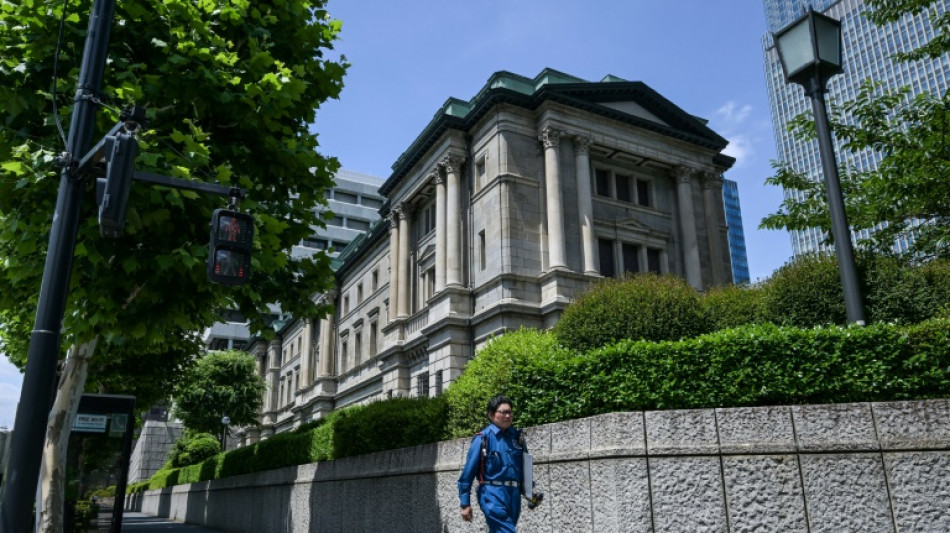
Bank of Japan holds rates, says to slow bond purchase taper / Photo: Richard A. Brooks - AFP

 Jay-Z rape accuser says she made 'false accusations'
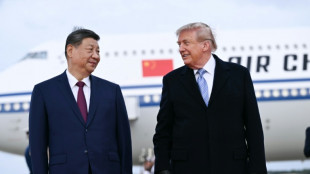
 Trump's photo of Xi greeting carries signs of AI

 First US trial against TikTok to open Monday

 French literary prize removes novel from longlist after AI claims
 Trump accuser E. Jean Carroll finally has her damages
 Heavy fighting, internet disruption as Ethiopia conflict rages
 Asian markets mixed after oil gains

 UN approves resolution on dealing with rising sea levels

 Global stocks mostly fall as oil prices and bond yields rise
 Starbucks to close 250 more cafes in North America
 Stocks fall as oil prices rise and bonds back under pressure
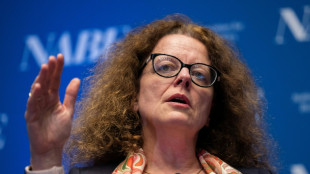 Top ECB official to resign to take up IMF role

 Eviction of pensioner puts Spain housing crisis in spotlight
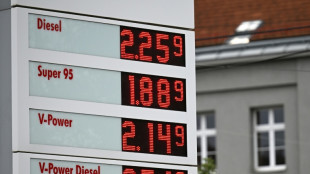 Average EU diesel price hits record 2.23 euros a litre: AFP analysis

 Whitetip Investments Marks 10 Years of Regulation, Transparency & Responsible Trading

 Stocks fall, oil prices rise as global bonds under pressure
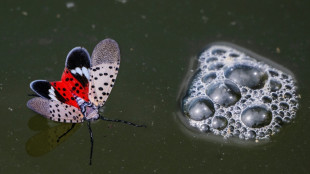 Hungary detects invasive spotted lanternfly for first time in EU
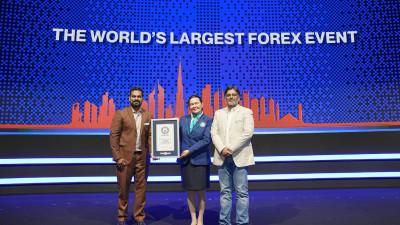 Forex Expo Dubai 2026 Breaks Guinness World Record Again With 23,816 Attendees

 Asian markets fall on US-China jitters as leaders meet
 As Moscow steps up attacks, Kyiv residents brace for harsh winter

 Markets mixed as China's Xi arrives for US talks
 Archaeological 'breakthrough' could confirm origins of Paris
 Australian PM says OpenAI hacked government health website

 Rio breaks record for rainiest September amid powerful El Nino
 Mandela Digital Extends Early Access Programme to 11 February 2027 Following Strong Response

The Bank of Japan kept interest rates unchanged Tuesday and said it would taper its purchase of government bonds at a slower pace amid concerns about the effect of trade uncertainty on the world's number four economy.
The central bank spent years buying up Japanese Government Bonds (JGBs) to keep yields low as part of an ultra-loose monetary policy aimed at banishing stagnation and harmful deflation.
But it began moving away from that programme last year as inflation began to pick up and the yen weakened, and hiked interest rates for the first time since 2007 and began winding down its JGB purchases.
It has since then lifted borrowing costs several times to 0.5 percent, their highest level in 17 years, and continued to buy fewer bonds.
However, analysts say uncertainty sparked by US President Donald Trump's trade war has led officials to hold off more hikes, and on Tuesday they held rates again, while saying they would slow the pace of JGB reductions.
Purchases will be cut in principle "by about 200 billion yen each calendar quarter from April-June 2026" -- from around 400 billion yen ($2.8 billion) per quarter.
Carol Kong, an analyst at the Commonwealth Bank of Australia outlined the possible reasons for the decision ahead of the release of the BoJ policy statement.
"Slowing the bond taper will help keep interest rates lower than otherwise, providing support to the economy amid heightened trade uncertainty," she told AFP.
Speculation of such a move "intensified after a surge in the 'super long' Japanese Government Bond (JGB) yields in recent months", Kong added.
The yen weakened on Tuesday, with the dollar buying 144.80 yen around midday, compared with around 144.30 yen on Monday, with the BoJ's main rate much lower than the US Federal Reserve's 4.25-4.5 percent.
"The recent softening of the yen could already partly reflect expectations for a cautious policy update from the BoJ... alongside negative spillovers for Japan from the Middle East conflict," Lee Hardman of MUFG had said before the decision.
- Next rate hike? -
The BoJ also highlighted the risks ahead for the economy, saying "growth is likely to moderate, as trade and other policies in each jurisdiction lead to a slowdown in overseas economies and to a decline in domestic corporate profits and other factors".
However, "factors such as accommodative financial conditions are expected to provide support", it added.
Kong added that the bank "will likely hold off on rate hikes until there is further clarity on US trade policy".
Japan, a key US ally and its biggest investor, is subject to the same 10 percent baseline tariffs imposed on most nations plus steeper levies on cars, steel and aluminium.
Trump also announced an additional 24 percent "reciprocal" tariff on the country's goods in early April but later paused it along with similar measures on other trading partners.
Prime Minister Shigeru Ishiba said Monday there had been no breakthrough on a trade deal after talks with Trump on the sidelines of the G7 summit in Canada.
"We still believe the Bank may hike rates in the second half of the year as it remains committed to normalising monetary policy," said Katsutoshi Inadome of SuMi TRUST.
"We expect that domestic demand will remain solid and that there is a chance economic conditions will improve to the point where the BoJ can consider interest hikes," he said.
Y.Uduike--CPN