
EU crypto regulation hampered by national flaws / Photo: Giuseppe CACACE - AFP

 Iran proposes Hormuz plan, Trump reportedly refuses

 El Nino rewrites the menu in the world's top restaurants
 Jay-Z rape accuser says she made 'false accusations'

 Trump's photo of Xi greeting carries signs of AI

 First US trial against TikTok to open Monday

 French literary prize removes novel from longlist after AI claims
 Trump accuser E. Jean Carroll finally has her damages
 Heavy fighting, internet disruption as Ethiopia conflict rages

 Asian markets mixed after oil gains

 UN approves resolution on dealing with rising sea levels

 Global stocks mostly fall as oil prices and bond yields rise

 Starbucks to close 250 more cafes in North America
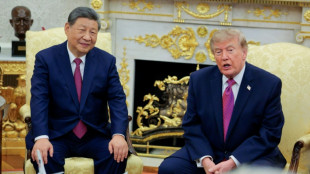 Stocks fall as oil prices rise and bonds back under pressure

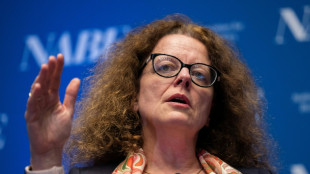 Top ECB official to resign to take up IMF role

 Eviction of pensioner puts Spain housing crisis in spotlight
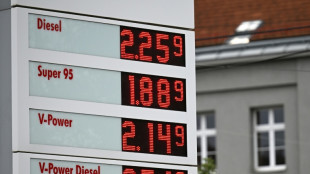 Average EU diesel price hits record 2.23 euros a litre: AFP analysis

 Whitetip Investments Marks 10 Years of Regulation, Transparency & Responsible Trading

 Stocks fall, oil prices rise as global bonds under pressure
 Hungary detects invasive spotted lanternfly for first time in EU
 Forex Expo Dubai 2026 Breaks Guinness World Record Again With 23,816 Attendees

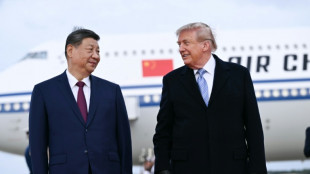
 Asian markets fall on US-China jitters as leaders meet

 As Moscow steps up attacks, Kyiv residents brace for harsh winter

 Markets mixed as China's Xi arrives for US talks

 Archaeological 'breakthrough' could confirm origins of Paris
 Australian PM says OpenAI hacked government health website

The first EU-wide cryptocurrency regulation was meant to impose some harmony, but disparities in implementation by member countries has allowed companies to exploit a flaw in the system.
Launched in December, Markets in Crypto-Asset (MiCA) insists on service providers obtaining a licence to operate legally in the European Union.
It is issued once specific criteria on anti-money laundering, prevention of terror group financing, IT security and financial soundness have been implemented.
Such a framework aims to protect investors and provide credibility to a sector deemed to be poorly regulated.
Once obtained, a licence grants access to the entire EU market, which encourages some companies to seek authorisation in the most "accommodating" member state.
Crypto experts, speaking to AFP, do not question the integrity of regulatory authorities in, for example, Germany and the Netherlands -- two EU members which account for the majority of the roughly 30 MiCA licences issued so far.
Other bloc nations, including Malta, are in the crosshairs, however, according to these same experts, who preferred to remain anonymous.
They point to, for example, the Mediterranean island hastily issuing licences before the formal implementation of collective standards.
- Rapid approvals -
"From time to time we see arriving on our market, via the (MiCA) passport, products approved by some of our colleagues with, let's say, a rather quick signing off," lamented the president of the financial markets authority in France, Marie-Anne Barbat-Layani, as she addressed the country's Senate in March.
Barbat-Layani noted that EU markets regulator ESMA had launched a "peer review" of an unnamed regulator that is potentially too lax.
When contacted by AFP, the watchdog declined to comment. The Maltese regulator, MFSA, neither confirmed nor denied that it was involved.
An official working under her, Stephane Pontoizeau, added: "There is always the risk of someone trying to find the least demanding entry point into Europe."
Crypto platform OKX, which had planned to hire about 100 staff in France making the country its "anchor" in Europe, ultimately opted for Malta.
Peer Gemini followed the same strategy, having targeted Ireland before changing its mind, citing the "proactive engagement" of the Maltese authorities.
"Malta began welcoming applications several months earlier than other regulators, which meant that we could start the application process earlier, build the teams and infrastructure required to operate under MiCA," noted Gemini's head of Europe, Mark Jennings.
Other countries have been slow to grant approvals, with France having only just issued its first MiCA licence -- to French fintech firm Deblock -- amid accusations that its process is long and complex.
France, however, sees it as granting companies greater time to prepare their application, with the country implementing a transition period through to June 2026.
Pontoizeau insisted the French financial regulator is "determined not to add national requirements to European rules".
According to lawyer Anne Marechal, former legal director at the regulator, there have been "cut-price approvals".
She told AFP that "believing one can save a few weeks and a little money" puts companies' credibility at risk with investors.
- Economic sovereignty -
Obtaining the necessary certification can also require considerable outlay, whether for a MiCA or national licence.
Tangi Le Calvez, founder of the crypto investment firm GOin, has invested about one million euros on obtaining a French licence, which inspired MiCA.
He believes that many players will not be able to complete all the necessary steps.
Already in 2017, EU member Estonia introduced its own mandatory licences for the crypto sector, which resulted in 75 percent of industry participants ceasing operations there, according to the Cointelegraph publication.
While it remains to be seen if a similar outcome will occur in the wake of MiCA, Claire Balva, strategy director at Deblock, highlighted the risk of European crypto firms being replaced by rivals from places with more flexible rules, such as the United States and Dubai.
Given their financial resources, such non-European companies would have no difficulty complying with EU rules, she insisted.
Should "a significant portion of cryptocurrencies held by Europeans" be hosted "on American infrastructure", this also raises "questions of economic sovereignty", added Balva.
Y.Jeong--CPN