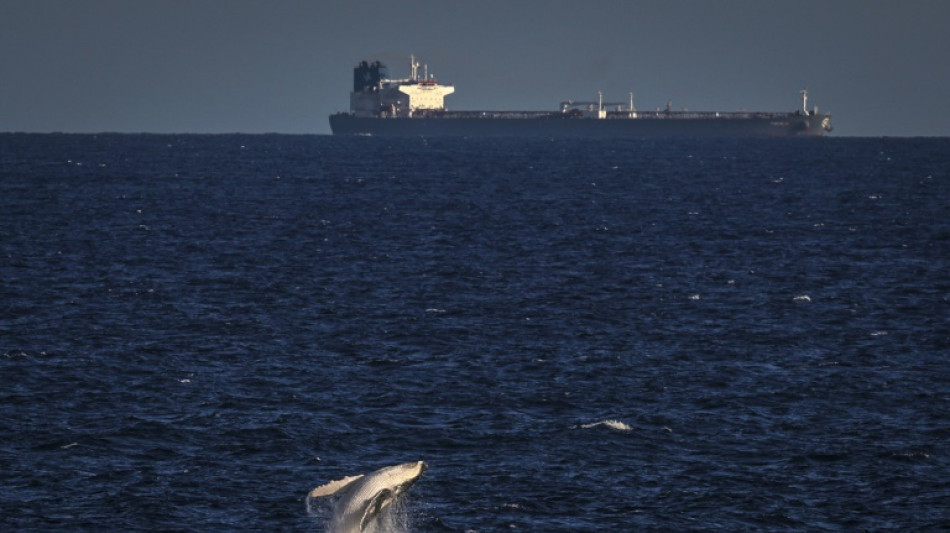
Nations call for 'quieter' ocean to help marine life / Photo: DAVID GRAY - AFP/File

 Iran proposes Hormuz plan, Trump reportedly refuses
 El Nino rewrites the menu in the world's top restaurants

 Jay-Z rape accuser says she made 'false accusations'

 Trump's photo of Xi greeting carries signs of AI

 First US trial against TikTok to open Monday

 French literary prize removes novel from longlist after AI claims

 Trump accuser E. Jean Carroll finally has her damages

 Heavy fighting, internet disruption as Ethiopia conflict rages

 Asian markets mixed after oil gains

 UN approves resolution on dealing with rising sea levels

 Global stocks mostly fall as oil prices and bond yields rise

 Starbucks to close 250 more cafes in North America

 Stocks fall as oil prices rise and bonds back under pressure

 Top ECB official to resign to take up IMF role

 Eviction of pensioner puts Spain housing crisis in spotlight
 Average EU diesel price hits record 2.23 euros a litre: AFP analysis

 Whitetip Investments Marks 10 Years of Regulation, Transparency & Responsible Trading

 Stocks fall, oil prices rise as global bonds under pressure

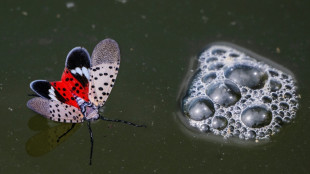 Hungary detects invasive spotted lanternfly for first time in EU

 Forex Expo Dubai 2026 Breaks Guinness World Record Again With 23,816 Attendees

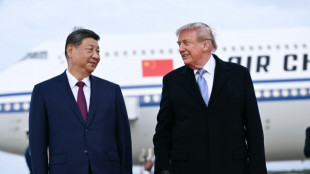 Asian markets fall on US-China jitters as leaders meet

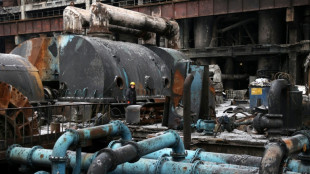 As Moscow steps up attacks, Kyiv residents brace for harsh winter

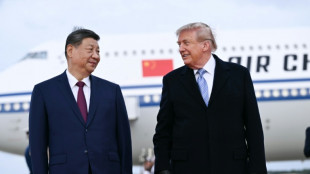 Markets mixed as China's Xi arrives for US talks

 Archaeological 'breakthrough' could confirm origins of Paris

 Australian PM says OpenAI hacked government health website

Dozens of countries at the UN oceans summit on Tuesday took a first step toward recognising an invisible but growing threat to marine life -- underwater noise pollution.
The din created by shipping and other human activities is rising at an alarming rate, marine conservation groups say, a major problem for sea life reliant on sound below water to survive.
Whales and dolphins use clicks and whistles to communicate with their young, navigate the oceans and warn of danger and hunt for food.
"Human noise pollution is drowning out these vital sounds," said Carlos Bravo from OceanCare, a marine conservation group.
In a step toward a quieter ocean, 37 countries led by Canada and Panama have launched a new effort to reduce harmful underwater noise pollution.
At the UN Ocean Conference in Nice, France, ministers from these countries committed to advancing quieter shipping design and including noise reduction protocols in their marine protected areas.
"Too often, the issue of ocean noise has been sidelined in global environmental discourse," said Panama's environment minister Juan Carlos Navarro.
"With this coalition, we are committing to act decisively to protect marine biodiversity from this invisible yet powerful threat."
Whirling propellers from shipping, sonar from navy vessels and construction noise from offshore industry all emit sounds that can travel vast distances underwater, WWF says.
Beluga whales can detect sounds from icebreaking ships up to 85 kilometres (52 miles) away, causing panic and flight, it added.
Other marine mammals change their behaviour under acoustic stress, while smaller prey for these bigger ocean dwellers can also be scared off by human-made noise.
One of the biggest contributors to underwater noise is cargo vessels, and cutting the acoustic footprint of the global shipping industry could have a major impact.
Despite this, global efforts to reduce ocean noise "have been limited and fragmented", the coalition said.
Bravo said this new coalition had taken a "crucial step towards giving marine life back their voice in the blue planet's symphony".
X.Cheung--CPN