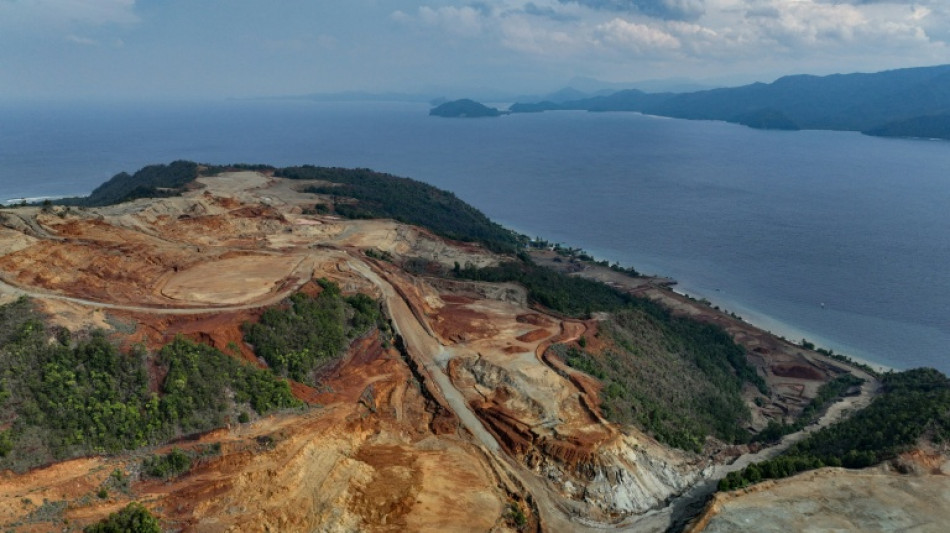
Indonesia revokes most mining permits in dive hotspot after outcry / Photo: Handout - AURIGA NUSANTARA/AFP

 TikTok agrees to teen limits in US settlement following Meta
 Venezuela's oil cradle pins hopes on US energy deals

 Lula bans sports betting days ahead of Brazil's election

 Spotting AI writing: how reliable are the detectors?
 US court refuses to overturn Pentagon ban on Anthropic

 South Lebanon children return to school destroyed by Israel strike

 European stock markets climb as oil prices drop

 Asian markets mixed after recent oil surge
 Cash for nature protection: hotelier's offer to Principe islanders

 India rape cases turn focus back onto women's safety
 Rich nations should foot climate bill, says Nepal minister
 Italy bans burqas in schools, caps numbers of foreign students per class

 Napoli hoping to build new stadium, says owner
 What happens if the US bans diesel exports
 Oscar-winner Cotillard fears being moved by AI actor

 Stocks fall, oil prices rise as global bonds back under pressure

 Streamex Converts Interest Into Capital as GLDY Investment Strategy Secures $1M+ Institutional Allocation

 STARTRADER Named Best Fintech Forex Broker at Forex Expo Dubai 2026
 German think tanks urge Merz to stick with reforms after election defeats
 France's top-selling newspaper to slash jobs

 BaazEX Enters the Asian Trading Market With a New Approach to Online Forex Trading.
 Sao Tome voters want to stop exodus of 'neglected' youth
 Mexican cartels target Australia with their African meth
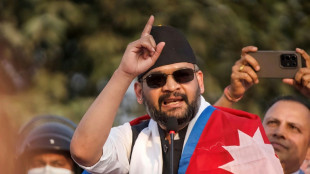 Rapper-turned-PM faces first big test after Nepal disaster

 Meta launches camera-free AI glasses amid privacy pushback

Indonesia revoked permits on Tuesday for four of the five mining companies operating in the eastern archipelago of Raja Ampat after activists shared videos of islands damaged by nickel extraction.
The cluster of islands and shoals in Southwest Papua Province sits in the Coral Triangle and is thought to be one of the world's most pristine reefs, with its clear blue waters making it a popular diving spot.
Indonesia has the world's largest nickel reserves and is the biggest producer of the metal, which is used in electric vehicle batteries and stainless steel, and a 2020 export ban has spurred a domestic industrial boom.
Last week, Greenpeace Indonesia published videos showing environmental damage to three islands because of nickel mining projects, including one clip which racked up more than 15 million Instagram views.
President Prabowo Subianto "decided that the government will revoke the mining business licence of four companies in Raja Ampat", state secretariat minister Prasetyo Hadi told reporters.
Energy and mineral resources minister Bahlil Lahadalia said "they have violated" regulations.
"We believe this region must be protected," he said.
Greenpeace said nickel exploitation on the islands of Gag, Kawe and Manuran had led to the destruction of more than 500 hectares (1,200 acres) of forest and vegetation.
Environmentalists say coral reefs and marine life are threatened by the operations, but Bahlil denied the surrounding environment had been harmed.
"If people say the coral reefs and the ocean have been damaged, you can see for yourself. Please be careful to differentiate which one is real and which one is not," he said.
- 'Make sure they stop' -
The NGO's campaign led to growing calls by politicians and celebrities for the licences to be withdrawn.
The four companies impacted by the immediate ban are PT Anugerah Surya Pratama, PT Nurham, PT Kawei Sejahtera Mining and PT Mulia Raymond Perkasa.
PT Nurham received its mining permits this year and has not started production but the other three have had them since 2013, according to the energy ministry.
One more company -- PT Gag Nikel -- will continue to operate on Raja Ampat's Gag island but be closely monitored, said Bahlil. It received its operational permit in 2017.
The three affected islands are categorised as small islands that under Indonesian law should be off-limits to mining, Greenpeace said.
Greenpeace Indonesia said the decision was a good start but the government needed to take further action.
"We appreciate this decision but we need to make sure the decision will be implemented. We need to make sure they stop," forest campaign team leader Arie Rompas said.
He warned the government could reissue the permits later or the companies could appeal the decision in court.
The activist said the government should also revoke the operating permit for the fifth company.
A report last week by Climate Rights International alleged the Indonesian government was allowing environmental damage and violations against Indigenous people to go unchecked by nickel mining firms in the eastern Maluku islands.
Processing and mining operations have grown there around Weda Bay, the world's largest nickel mine by production, but have led to locals reporting a spike in air pollution from smelters and rivers polluted by nickel tailings in soil carried by rain.
An AFP report last month detailed how the home of the nomadic Hongana Manyawa tribe was being eaten away by that mine, with members issuing a call for nickel companies to leave their tribal lands alone.
U.Ndiaye--CPN