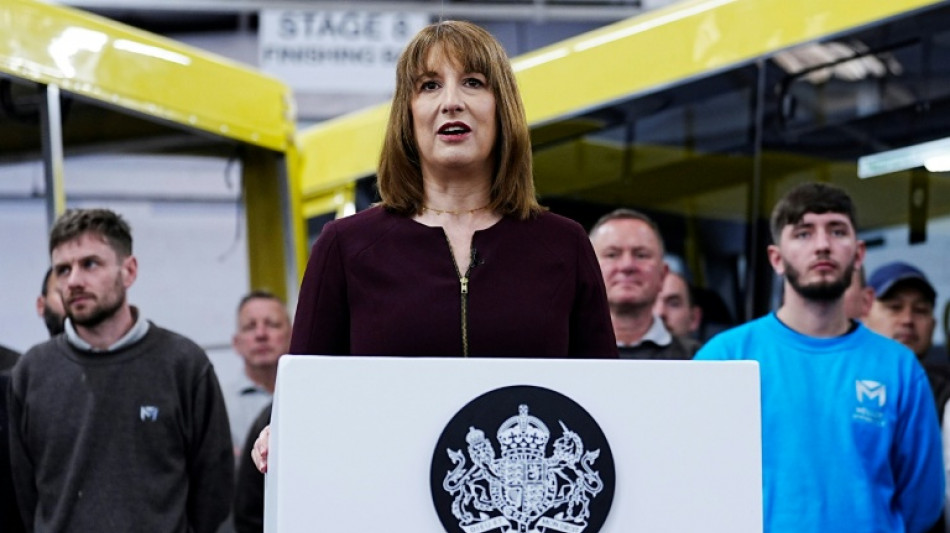
Defence or environment? UK faces spending choices / Photo: Peter Byrne - POOL/AFP/File

 TikTok agrees to teen limits in US settlement following Meta

 Venezuela's oil cradle pins hopes on US energy deals

 Lula bans sports betting days ahead of Brazil's election

 Spotting AI writing: how reliable are the detectors?

 US court refuses to overturn Pentagon ban on Anthropic

 South Lebanon children return to school destroyed by Israel strike

 European stock markets climb as oil prices drop

 Asian markets mixed after recent oil surge

 Cash for nature protection: hotelier's offer to Principe islanders

 India rape cases turn focus back onto women's safety

 Rich nations should foot climate bill, says Nepal minister
 Italy bans burqas in schools, caps numbers of foreign students per class

 Napoli hoping to build new stadium, says owner
 What happens if the US bans diesel exports

 Oscar-winner Cotillard fears being moved by AI actor

 Stocks fall, oil prices rise as global bonds back under pressure
 Streamex Converts Interest Into Capital as GLDY Investment Strategy Secures $1M+ Institutional Allocation

 STARTRADER Named Best Fintech Forex Broker at Forex Expo Dubai 2026
 German think tanks urge Merz to stick with reforms after election defeats

 France's top-selling newspaper to slash jobs

 BaazEX Enters the Asian Trading Market With a New Approach to Online Forex Trading.
 Sao Tome voters want to stop exodus of 'neglected' youth
 Mexican cartels target Australia with their African meth
 Rapper-turned-PM faces first big test after Nepal disaster

 Meta launches camera-free AI glasses amid privacy pushback
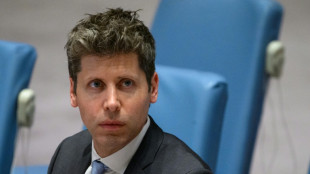
Torn between growing geopolitical tensions and constrained public finances, Britain's finance minister Rachel Reeves is set to unveil feared trade-offs in a government spending review on Wednesday.
Prime Minister Keir Starmer is boosting the defence budget, and reports point to National Health Service (NHS) being bolstered -- forcing other key ministries to tighten their belts.
"Sharp trade-offs are unavoidable," said the Institute for Fiscal Studies, a respected think tank, of the Labour government's spending plans through to 2029-2030.
Reeves, the chancellor of the exchequer, is to detail day-to-day spending plans in her review to parliament on Wednesday.
Ahead of the announcement, the government on Monday reversed a policy to scrap a winter heating benefit for millions of pensioners, following widespread criticism, including from within its own party.
Labour will raise the income threshold for receiving the subsidy, which "extends eligibility to the vast majority of pensioners", or nine million people, the Treasury said in a statement.
The policy to remove the allowance from millions of pensioners began this winter and followed the government's inaugural budget in October featuring tax rises and big spending announcements on infrastructure.
Since Labour won power last July, sweeping aside years of Conservative Party rule, it has unveiled also contested cuts to disability welfare payments, hoping to save more than £5 billion ($6.8 billion) by 2030.
Thousands of protestors gathered in central London on Saturday, many holding placards that read "tax the rich, stop the cuts -- welfare not warfare".
The government on Sunday announced £86 billion of investment in science and technology and defence by 2030.
Reeves hopes the spending will boost sluggish growth, which risks added pressure from the tariffs trade war unleashed by US President Donald Trump.
Reeves is set to announce a funding boost of up to £30 billion for the NHS, according to The Times newspaper.
Britain's media has in recent days reported on tough, last-minute discussions between the Treasury and the interior ministry, particularly regarding the police budget, as well as with the energy department amid fears for the UK's carbon-reduction commitments.
- Defence priority -
Reeves has amended her fiscal rules to allow the government more headroom for investment in the run-up to the spending review.
At the same time, she wishes to balance the books so that tax revenues match day-to-day spending, meaning the government borrows only to invest.
The chancellor has allowed the Treasury to borrow more, particularly for infrastructure projects across the vital housing and energy sectors.
This has handed her a windfall of £113 billion over five years.
"When it comes to capital spending, government investment is set to be sustained at historically high levels in the coming years," the IFS noted.
"If spent well, this should help contribute to growth and to better public services in years to come."
Citing Russia's invasion of Ukraine, London has announced it will increase its defence budget to 2.5 percent of UK gross domestic product by 2027 -- and up to 3.0 percent by 2034, helped by cutting international aid.
"While going for growth and fixing the NHS will still be central to the Spending Review, bolstering the nation's defence is now considered an urgent pressing need," said Susannah Streeter, head of money and markets at Hargreaves Lansdown.
While seeking to cut costs, it has been reported that the government may later this year announce plans to lift a cap on child benefits, also after a backlash over the policy from some of its party members.
"U-turns on benefit and welfare spending, increased pressure to ramp up defence spending and higher borrowing costs have left the chancellor, Rachel Reeves, in a sticky position", concluded Ruth Gregory, deputy chief UK economist at Capital Economics.
"If she wishes to avoid a political backlash and/or an adverse reaction in the financial markets, she probably has little choice but to raise taxes in the Autumn Budget."
The government has already hiked a business tax that entered into force in April.
A.Levy--CPN