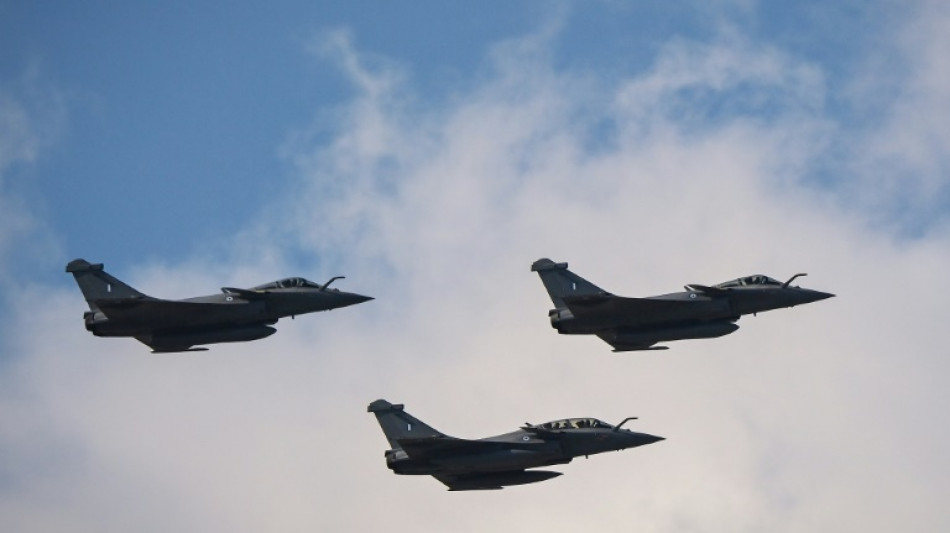
EU approves 150-billion-euro loan scheme to rearm / Photo: ARIS MESSINIS - AFP/File

 S.African women runners arm themselves after string of killings
 Indonesia fires threatens critically-endangered orangutan: IUCN

 Iran proposes Hormuz plan, Trump reportedly refuses
 El Nino rewrites the menu in the world's top restaurants
 Jay-Z rape accuser says she made 'false accusations'

 Trump's photo of Xi greeting carries signs of AI

 First US trial against TikTok to open Monday
 French literary prize removes novel from longlist after AI claims
 Trump accuser E. Jean Carroll finally has her damages
 Heavy fighting, internet disruption as Ethiopia conflict rages

 Asian markets mixed after oil gains

 UN approves resolution on dealing with rising sea levels

 Global stocks mostly fall as oil prices and bond yields rise
 Starbucks to close 250 more cafes in North America
 Stocks fall as oil prices rise and bonds back under pressure
 Top ECB official to resign to take up IMF role

 Eviction of pensioner puts Spain housing crisis in spotlight
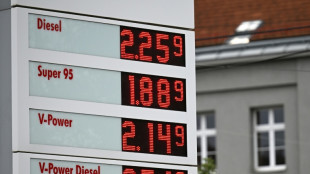 Average EU diesel price hits record 2.23 euros a litre: AFP analysis

 Whitetip Investments Marks 10 Years of Regulation, Transparency & Responsible Trading

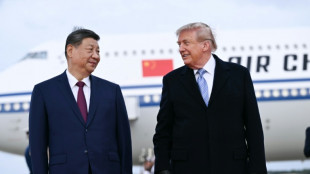 Stocks fall, oil prices rise as global bonds under pressure
 Hungary detects invasive spotted lanternfly for first time in EU
 Forex Expo Dubai 2026 Breaks Guinness World Record Again With 23,816 Attendees

 Asian markets fall on US-China jitters as leaders meet
 As Moscow steps up attacks, Kyiv residents brace for harsh winter

 Markets mixed as China's Xi arrives for US talks
EU countries on Tuesday formally approved a new 150-billion-euro loan programme to help rearm in the face of Russia and worries over US reliability, according to the Polish presidency of the bloc.
The SAFE borrowing scheme backed by the EU's central budget was proposed by Brussels in March as the bloc rushes to boost its defences.
Finalised by member states earlier this month, the text received final approval at a meeting of Europe ministers in Brussels, with 26 countries voting for and one abstention, the presidency said.
EU countries had haggled at length over what the money could be spent on and how countries outside the bloc can access the funds.
In the end, the agreement stuck to the original proposal allowing 35 percent of the value of the weapons to come from manufacturers beyond the bloc and Ukraine.
France's Europe minister Benjamin Haddad called SAFE "a major step forward" that asserts "a very clear principle of European preference to support our industries, reduce our dependencies including from the United States, and invest in Europe's strategic autonomy."
"But it is just one step -- and we will need to go further," Haddad told reporters in Brussels.
The borrowing programme is part of a package of measures including loosening budget rules that Brussels says could potentially unlock 800 billion euros of defence spending.
The approval of SAFE came after the EU and the UK agreed a new defence partnership as part of a post-Brexit "reset".
London would still need to strike a separate deal with the EU if it wants to fully open the new scheme to the British defence industry.
Y.Ponomarenko--CPN