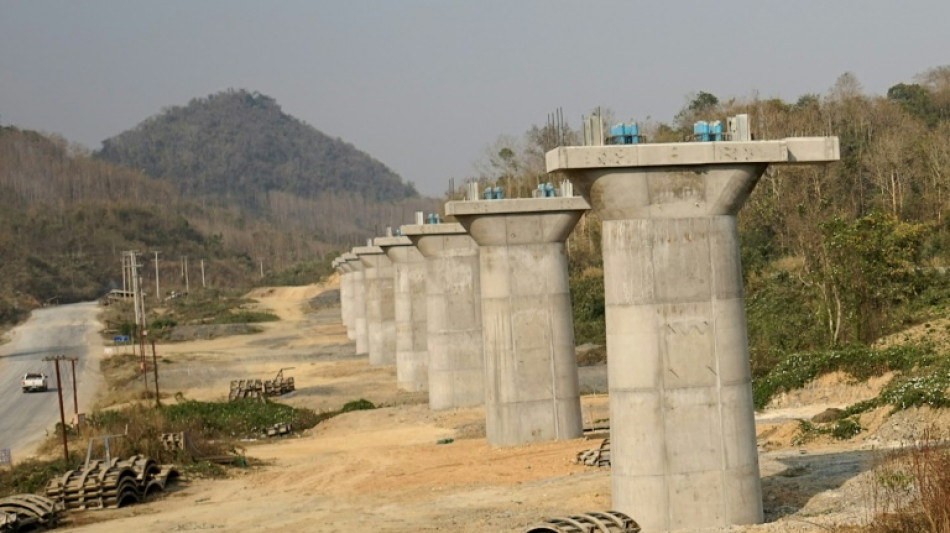
Developing nations face 'tidal wave' of China debt: report / Photo: Aidan JONES - AFP/File

 S.African women runners arm themselves after string of killings

 Indonesia fires threatens critically-endangered orangutan: IUCN

 Iran proposes Hormuz plan, Trump reportedly refuses
 El Nino rewrites the menu in the world's top restaurants

 Jay-Z rape accuser says she made 'false accusations'

 Trump's photo of Xi greeting carries signs of AI

 First US trial against TikTok to open Monday

 French literary prize removes novel from longlist after AI claims
 Trump accuser E. Jean Carroll finally has her damages
 Heavy fighting, internet disruption as Ethiopia conflict rages

 Asian markets mixed after oil gains

 UN approves resolution on dealing with rising sea levels

 Global stocks mostly fall as oil prices and bond yields rise

 Starbucks to close 250 more cafes in North America

 Stocks fall as oil prices rise and bonds back under pressure
 Top ECB official to resign to take up IMF role

 Eviction of pensioner puts Spain housing crisis in spotlight
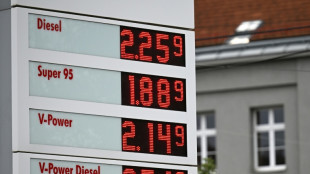 Average EU diesel price hits record 2.23 euros a litre: AFP analysis

 Whitetip Investments Marks 10 Years of Regulation, Transparency & Responsible Trading

 Stocks fall, oil prices rise as global bonds under pressure

 Hungary detects invasive spotted lanternfly for first time in EU

 Forex Expo Dubai 2026 Breaks Guinness World Record Again With 23,816 Attendees

 Asian markets fall on US-China jitters as leaders meet
 As Moscow steps up attacks, Kyiv residents brace for harsh winter

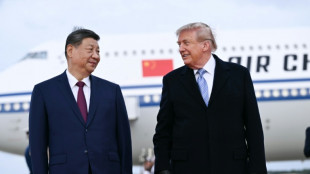 Markets mixed as China's Xi arrives for US talks

The world's poorest nations face a "tidal wave of debt" as repayments to China hit record highs in 2025, an Australian think tank warned Tuesday in a new report.
China's Belt and Road Initiative lending spree of the 2010s has paid for shipping ports, railways, roads and more from the deserts of Africa to the tropical South Pacific.
But new lending is drying up, according to Australia's Lowy Institute, and is now outweighed by the debts that developing countries must pay back.
"Developing countries are grappling with a tidal wave of debt repayments and interest costs to China," researcher Riley Duke said.
"Now, and for the rest of this decade, China will be more debt collector than banker to the developing world."
The Lowy Institute sifted through World Bank data to calculate developing nations' repayment obligations.
It found that the poorest 75 countries were set to make "record high debt repayments" to China in 2025 of a combined US$22 billion.
"As a result, China's net lending position has shifted rapidly," Duke said.
"Moving from being a net provider of financing -- where it lent more than it received in repayments -- to a net drain, with repayments now exceeding loan disbursements."
Paying off debts was starting to jeopardise spending on hospitals, schools, and climate change, the Lowy report found.
"Pressure from Chinese state lending, along with surging repayments to a range of international private creditors, is putting enormous financial strain on developing economies."
The report also raised questions about whether China could seek to parlay these debts for "geopolitical leverage", especially after the United States slashed foreign aid.
While Chinese lending was falling almost across the board, the report said there were two areas that seemed to be bucking the trend.
The first was in nations such as Honduras and Solomon Islands, which received massive new loans after switching diplomatic recognition from Taiwan to China.
The other was in countries such as Indonesia or Brazil, where China has signed new loan deals to secure battery metals or other critical minerals.
C.Peyronnet--CPN