-
 Kenya's economy faces climate change risks: World Bank
-
Four Al-Fayed survivors told they were trafficking victims

-
 Trump says US support for Japanese yen a 'signal of friendship'
-
Brazil's Lula, 80, says 'in great shape' as he launches fourth term bid
-
 Handbag tosses and high-heeled sprints: Amsterdam celebrates Drag Olympics
-
South Korea records its highest-ever temperature of 42.5C

-
 Baltics transform from Soviet stagnation to startup hubs
-
AI keeps consumer prices high in 'RAMaggedon' chip crunch
-
 Five of Cuba's 15 provinces without power as grid fails again
-
Baltic startups take aim at deterring Russia on NATO's eastern flank
-
 OPEC+ tipped to raise production again but new quotas loom
-
France's largest wildfire in decades 'under control', says minister

-
 South Korea baseball league cancels two games over heatwave
-
Warsaw and Kyiv exhume Volyn victims at centre of diplomatic quarrel

-
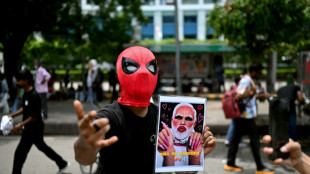 India PM Modi says he forgives protesters who abused him
-
California lifeguards wiped out from extreme weather

-
 US plans steep water cuts for southwest amid Colorado River crisis
-
Amazon surges as US stocks shrug off bond yield worries

-
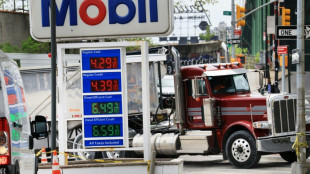 Oil giants report blowout profits on war, warn high gas prices could persist
-
Hungary to shut nuclear plant as heatwave hits central Europe
-
 Google launches new satellite image AI tool, alarming researchers
-
Tech-fuelled rally fizzles as oil prices rise
-
 US Fed dissenters call for rate hikes over sustained inflation
-
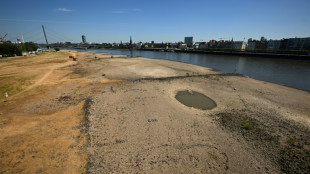
Alarm over climate-linked low level of German waterways
-
 New York sues online prediction markets giant Kalshi
-
Commerzbank agrees to talks with UniCredit after two-year standoff
-
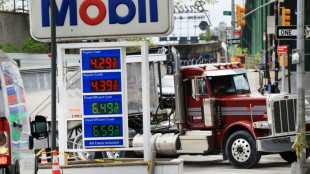 Profits surge at US oil giant amid Iran war supply shock
-
Fornaro Legal Releases Guidance to Help Businesses Maintain Clear Ownership Records During Growth

-
 Stock markets rally on tech rebound
-
Japan probe made closest-ever asteroid flyby: space agency

-
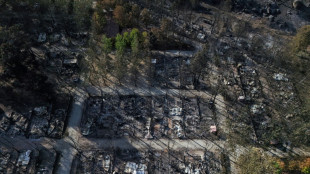 France, Spain assess scorched terrain as new wildfires threaten other regions
-
British oil giant BP aims to sell North Sea business

-
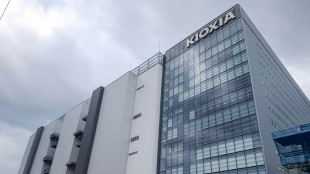 Chipmaker Kioxia reports AI-driven 45-fold surge in quarterly net profit
-
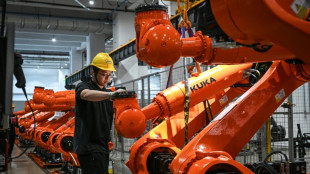
China factory activity slides as leaders seek spending boost
-
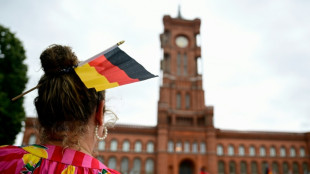 Far right and far left battle for power in polarised Berlin
-
Tech rebound fuels record-breaking rally in South Korean stocks

-
 The last trio: S.Africa's zoo elephants await their fate
-
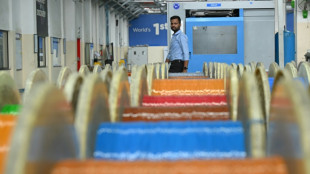
Cables and cooling bring AI windfall to Indian suppliers
-
 Oil industry sees war windfall but girds for political blowback
-
Anthropic's models gained unauthorized 'real-world' access during testing

-
 Amazon beats expectations with cloud and AI growth
-
Apple tops estimates in CEO Cook's final quarter, but shares fall

-
 Blowout Microsoft results lift US stocks as oil retreats
-
Milei demands expulsion of foreigners expressing 'hate' against Argentina

-
 'Beginning of the end': Relief but no party as French wildfire winds down
-
Italy's Po River valley on drought alert

-
 Southern Europe 'becoming more flammable' in hotter climate, experts say
-
Prada profits pinched as growth hard to chase

-
 Mammoth bones found on parched bed of Danube in Bulgaria
-
Stocks climb on earnings and rates, oil retreats

Next Generation EU a scam?
The Next Generation EU (NGEU) fund, an unprecedented European Union economic recovery package, was launched in 2020 to help member states recover from the economic and social impact of the COVID 19 pandemic. With a volume of €750 billion, divided into grants and loans, NGEU aims to make Europe greener, more digital and more resilient (European Commission, Recovery plan for Europe). However, the implementation and effectiveness of the programme have been met with controversy and criticism, leading some to call it the EU's ‘biggest scam’. This report analyses the reasons for this criticism, based on fraud cases, political tensions and economic doubts.
Fraud and misuse of funds
A key point of criticism is the high number of fraud cases affecting the programme. In April 2024, 22 people were arrested in Italy, Austria, Romania and Slovakia on charges of embezzling €600 million from the Italian National Recovery and Resilience Plan (NRRP), which is part of NGEU. The criminals used a network of accountants, service providers and notaries to fraudulently obtain non-repayable funds and transfer the money abroad.
Another case concerns the procurement of power generators for Ukraine, which was managed by the Polish government agency for strategic reserves (RARS). The European Anti-Fraud Office (OLAF) recommended the recovery of over €91 million due to serious irregularities, including inflated prices and a lack of competition (European Commission, OLAF completes investigation into suspected serious irregularities). These cases are not isolated: in 2022, OLAF recorded a 7% increase in fraud cases, with irregularities worth €1.77 billion. At the end of 2024, the European Public Prosecutor's Office (EPPO) was handling 311 active cases with an estimated €2.8 billion in damages to the EU budget, mostly related to NGEU (Balkan Insight, EU Fraud Keeps Rising as Prosecutors Investigate 38% More Cases in 2024).
Political controversies and delays
Besides the fraud cases, there were political tensions that delayed the implementation of NGEU. Poland and Hungary initially blocked the adoption of the fund due to concerns about the rule of law conditions. This led to delays in the disbursement of funds and political tensions within the EU (Wikipedia, Next Generation EU). Article 7 proceedings were opened against both countries, but their mutual support prevented sanctions, complicating the implementation of the fund (Wikipedia, Next Generation EU). These controversies show that NGEU was not only a technical financial instrument but also a political battleground, undermining confidence in the programme.
Scepticism from economists and political actors
Some economists and political actors express scepticism about the effectiveness and purpose of NGEU. A study from Comparative European Politics (2022) argues that the allocation of funds was based on existing economic and political vulnerabilities rather than the direct consequences of the pandemic. Countries with strong Euroscepticism and structural problems received the most funding per capita, regardless of the severity of the health crisis (Comparative European Politics, Voices from the past: economic and political vulnerabilities in the making of next generation EU). This could indicate that NGEU is more of a tool for stabilising weak economies, which some may see as a misuse of funds.
In Italy, the main recipient, there are doubts about the government's ability to use the funds efficiently. Although the government is celebrating the receipt of the fifth tranche of NGEU, the challenge remains of actually spending the funds and implementing the planned projects (Euractiv, Italy and the challenge of spending European funds). These difficulties underline the concern that NGEU may not deliver the promised results.
France's debt spiral Crisis

Trump preps Allies for Ven Op

UK politics: Outlook for 2026

United Kingdom vs Immigration
Trump's threats to Colombia

COSTCO profits from Fees
AI bust: Layoffs & Rent surge
Trap laid, Ukraine walked in
BRICS-Dollar challenge

Saudi shift shakes Israel

Al-Qaida’s growing ambitions