-
 Germany urges EU action against China to defend carmakers
-
Nepal floods among 'most challenging' disasters: WFP

-
 Japan eyes changing prostitution law to punish sex buyers
-
Kids and social media: what would change under new EU law

-
 Modi pitches India as global chipmaking hub
-
King Charles to call on tech giants for 'reassurances' over AI

-
 Ukraine plans record defence spending in 2027
-
STARPRIME Responds to Diverging Gold Market Demand with AM/PM Fixing and XAU24/7

-
 NASA scan discovers new, 'once in a century' Moon crater
-
Where the US-China tariff row stands ahead of White House summit

-
 Most stocks rise as Fed hikes and indicates drive to curb inflation
-
Indonesia cash-for-photos scheme turns animal hunters into protectors

-
 UK-Sudanese author pens book to give children 'African history of Africa'
-
Argentine judge orders suspension of Falklands oil project

-
 US Congress passes sweeping Russia sanctions bill
-
US Fed raises rates to tackle 'too high' inflation, irking Trump

-
 US stocks fall, dollar gains after Fed lifts interest rates
-
Turkey releases 106 protesters, jails more LGBTQ activists

-
 US Fed raises rates to tackle 'too high' inflation in move sure to rile Trump
-
Candidate for UN chief calls for AI regulation akin to nuclear weapons

-
 US Fed raises rates to battle inflation in move likely to rile Trump
-
'We're losing control,' AI pioneer Yoshua Bengio tells AFP

-
 US House faces test on sweeping Russia sanctions bill
-
IR-MED and Dice Technologies Announce collaboration to Evaluate and Advance Pressure-Injury Prevention Platform in Japan

-
 British PM says to make 'difficult decisions' as inflation rises
-
Watts, Pitt, Cruz to light up Spain's top film festival

-
 Global fuel price demos: a round-up
-
Toogood Gold's Table Mountain Sits in the Shadow of a Nevada Gold Rush

-
 Leverate Launches MCP for Traders to Connect AI Assistants With Trading Platforms
-
MEXC July–August Security Report: 38.66M USDT in Risk Funds Intercepted, Futures Insurance Fund Hits 792M USDT

-
 MEXC Launches $1M "Discover Your Wall Street DNA" Campaign to Help Traders Find Their Market Fit
-
Emporio Armani names Dario Vitale new creative director

-
 Stocks edge higher ahead of US Fed rate call
-
EU to ban social media for under 13s, curb access until 15

-
 BASIS.pro Expands On-Chain Infrastructure with XDC Network Partnership and Zypher DAO as Auto Earn Goes Live
-
Wildfires push endangered Sumatran elephants to brink: Indonesian NGO

-
 Pickle-flavoured tart? AI inspires Japan's convenience stores
-
Bank of Japan set to raise rates under pressure from inflation, US

-
 EU chief hosts Canada's Carney in push to 'deepen' alliance
-
EU chief to unveil social media, gaming curbs for under-15s

-
 Meta chief pushes back on AI slowdown calls
-
'Resident Evil' film brings video game's ethos to the big screen

-
 US Fed to deliver rate decision with markets betting on hike
-
GA-ASI Mojave First UAS To Complete Battlefield Short Field Ops

-
 i-payout Expands U.S. Money Transmitter Licensing Footprint and Advances European EMI Strategy
-
Sanders, Bannon warn of AI dangers in rare US left-right alignment

-
 US Senate crypto bill collapses amid partisan deadlock
-
Empty benches as schools reopen in Venezuela's quake-hit Guaira

-
 OpenAI, Anthropic and Google are working to create an AI standards body
-
Tiny English village holds 'independence' vote over asylum seeker housing

The Fall of South Korea?
On 3 December 2024 the unthinkable happened in Seoul. President Yoon Suk Yeol, stung by allegations of corruption and facing sliding approval ratings, issued a midnight proclamation of martial law. He deployed special forces around the National Assembly and attempted to suspend the constitution. Video footage of parliamentarians climbing over fences, riot police blocking the legislature and helicopters circling above shocked the nation. Within hours, however, the attempted emergency rule collapsed. Lawmakers across party lines defied the order, reconvened under heavy security and voted unanimously to annul the decree. Enormous street protests erupted, demanding the restoration of democracy and Yoon’s resignation. By early morning the president rescinded his decree and insisted he had simply wanted to protect the state.
The crisis did not end there. The opposition-led parliament impeached Yoon nine days later and refused to allow him back into office. In April 2025 the Constitutional Court unanimously upheld the impeachment, citing an unlawful attempt to paralyse the constitution. South Korea’s institutions thus repelled the first attempted coup in its modern democratic era. A snap presidential election took place on 3 June 2025. Lee Jae‑myung, a social democratic opposition leader, won with nearly half of the vote and turnout approaching 80 %. He pledged to heal the rifts caused by the upheaval, strengthen the rule of law and place the country back on a steady course. In his inauguration speech he called the failed coup a “watershed moment” that proved citizens’ commitment to democracy.
Trade friction, not collapse
The political upheaval came against a backdrop of intense trade negotiations between Seoul and Washington. Former U.S. president Donald Trump returned to the White House in January 2025 and revived his campaign promise to rebalance trade with allies. In a phone call with president‑elect Lee in June 2025 he insisted on higher tariffs on South Korean vehicle exports and demanded that Seoul finance most of a proposed $350 billion investment fund for critical minerals. South Korea argued that such sums were unaffordable and offered phased funding instead. Negotiations stalled over Washington’s insistence on control over the fund.
Contrary to claims of a trade breakdown, exports recovered. By October 2025 South Korea’s shipments were growing again, buoyed by strong demand for semiconductors and ships. A compromise deal reached on 29 October limited U.S. tariffs on South Korean vehicles to 15 % and split investment flows to protect Korea’s currency. This partially defused tensions, though negotiations on the investment fund continued. South Korean companies accelerated diversification of markets to ASEAN countries and Europe, while domestic stimulus cushioned households from higher import prices.
Alliance strains and abandonment fears
Episodes outside the trade talks fuelled fears that Washington was abandoning Seoul. In February 2025 U.S. immigration officers raided a battery factory jointly owned by Hyundai and LG in Georgia and detained over 300 South Korean technicians for alleged visa violations. The images of handcuffed engineers sparked outrage at home and calls for Seoul to invest more in its own nuclear deterrent. The fiasco came after Trump had publicly complained that South Korea was “unstable” and should pay more for stationing U.S. troops. Policymakers in Seoul worried that ambiguous statements about troop reductions could invite provocations from North Korea and China.
Analysts caution that such fears often stem from misunderstandings rather than policy shifts. U.S. defence officials reiterated America’s security commitment and quietly increased joint exercises in the spring of 2025. Think‑tank studies noted that changes in the U.S. force posture should be accompanied by other deployments to reassure allies. President Lee has doubled down on the alliance and sought to deepen security cooperation with Japan and NATO. While domestic voices call for strategic autonomy, there is no evidence that the United States is planning a withdrawal.
Resilience instead of collapse
The narrative of South Korea’s “fall” exaggerates and conflates real challenges. The attempted coup was thwarted within hours by constitutional institutions and mass mobilisation. The political crisis led to a lawful impeachment and free election, demonstrating democratic resilience. Trade friction with the United States has been bruising, but it has not upended South Korea’s export‑driven economy or its role in supply chains. Even at the height of negotiations, U.S. troops remained on the peninsula and the two governments reaffirmed their mutual defence treaty.
South Korea faces serious questions about inequality, an ageing population, and dependence on exports. Yet rather than collapsing, it has adapted through political renewal and pragmatic economic policy. Early signs suggest that president Lee’s government is stabilising domestic politics, diversifying trade and working to rebuild trust with Washington. The “fall” narrative obscures a more nuanced reality: a vibrant democracy navigating turmoil, emerging chastened but intact.

Truth: The end of the ‘Roman Empire’

US: Trump begins mass deportations!

Russia and the terrorism against Ukraine
Iran lifts Dollar, sinks Euro
Is that Israel's final blow?
Houthis and al-Qaeda
North Korea Infiltrates Economy
Malaysia's Strategic Ascent
Boomers: Selfish or Scapegoats?
Israel presses Tehran
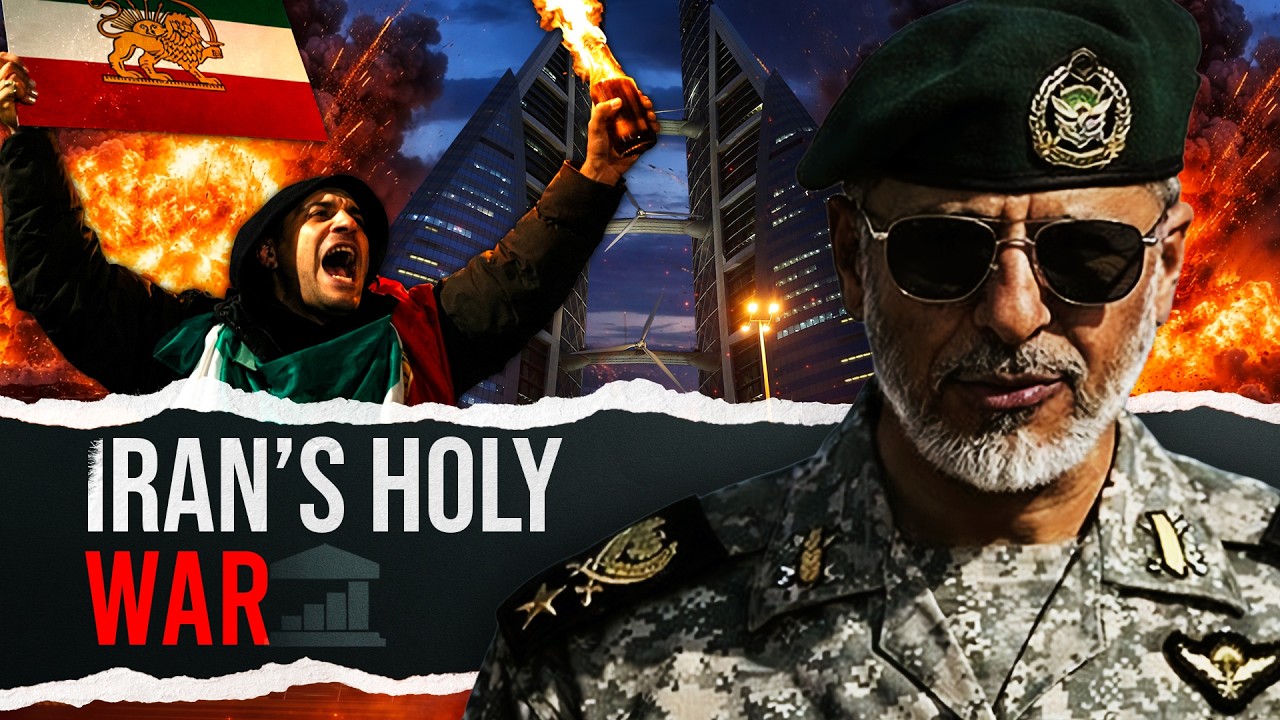
Iran and the holy War risk