-
 Kenya's economy faces climate change risks: World Bank
-
Trump says US support for Japanese yen a 'signal of friendship'
-
 Brazil's Lula, 80, says 'in great shape' as he launches fourth term bid
-
Handbag tosses and high-heeled sprints: Amsterdam celebrates Drag Olympics

-
 South Korea records its highest-ever temperature of 42.5C
-
Baltics transform from Soviet stagnation to startup hubs

-
 AI keeps consumer prices high in 'RAMaggedon' chip crunch
-
Five of Cuba's 15 provinces without power as grid fails again

-
 Baltic startups take aim at deterring Russia on NATO's eastern flank
-
OPEC+ tipped to raise production again but new quotas loom
-
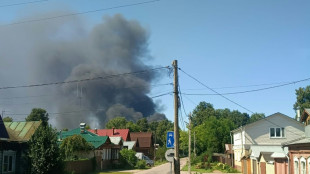
 France's largest wildfire in decades 'under control', says minister
-
South Korea baseball league cancels two games over heatwave

-
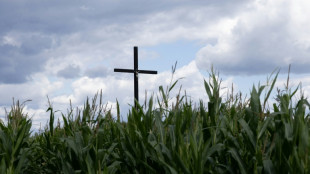 Warsaw and Kyiv exhume Volyn victims at centre of diplomatic quarrel
-
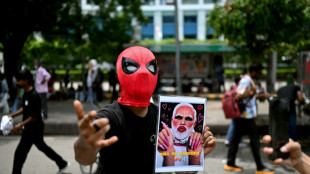
India PM Modi says he forgives protesters who abused him
-
 California lifeguards wiped out from extreme weather
-
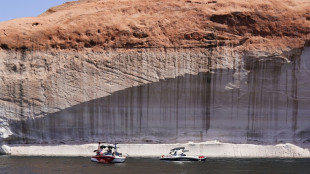
US plans steep water cuts for southwest amid Colorado River crisis
-
 Amazon surges as US stocks shrug off bond yield worries
-
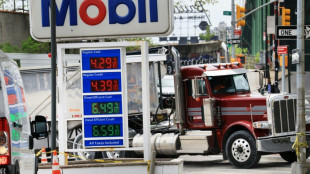
Oil giants report blowout profits on war, warn high gas prices could persist
-
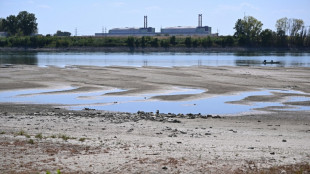 Hungary to shut nuclear plant as heatwave hits central Europe
-
Google launches new satellite image AI tool, alarming researchers

-
 Tech-fuelled rally fizzles as oil prices rise
-
US Fed dissenters call for rate hikes over sustained inflation
-
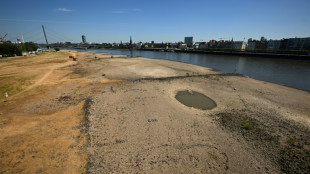 Alarm over climate-linked low level of German waterways
-
New York sues online prediction markets giant Kalshi

-
 Commerzbank agrees to talks with UniCredit after two-year standoff
-
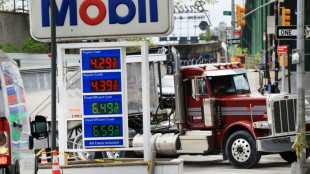
Profits surge at US oil giant amid Iran war supply shock
-
 Fornaro Legal Releases Guidance to Help Businesses Maintain Clear Ownership Records During Growth
-
Stock markets rally on tech rebound

-
 Japan probe made closest-ever asteroid flyby: space agency
-
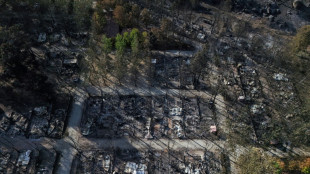
France, Spain assess scorched terrain as new wildfires threaten other regions
-
 British oil giant BP aims to sell North Sea business
-
Chipmaker Kioxia reports AI-driven 45-fold surge in quarterly net profit

-
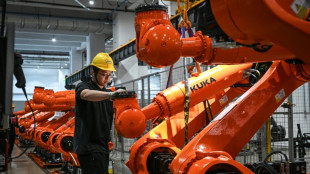 China factory activity slides as leaders seek spending boost
-
Far right and far left battle for power in polarised Berlin

-
 Tech rebound fuels record-breaking rally in South Korean stocks
-
The last trio: S.Africa's zoo elephants await their fate

-
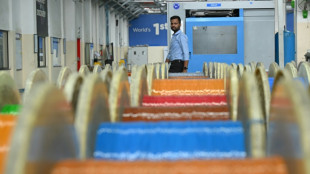 Cables and cooling bring AI windfall to Indian suppliers
-
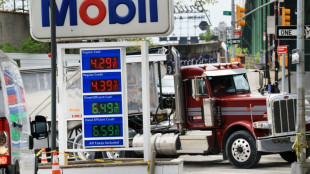
Oil industry sees war windfall but girds for political blowback
-
 Anthropic's models gained unauthorized 'real-world' access during testing
-
Amazon beats expectations with cloud and AI growth

-
 Apple tops estimates in CEO Cook's final quarter, but shares fall
-
Blowout Microsoft results lift US stocks as oil retreats

-
 Milei demands expulsion of foreigners expressing 'hate' against Argentina
-
'Beginning of the end': Relief but no party as French wildfire winds down

-
 Italy's Po River valley on drought alert
-
Southern Europe 'becoming more flammable' in hotter climate, experts say

-
 Prada profits pinched as growth hard to chase
-
Mammoth bones found on parched bed of Danube in Bulgaria

-
 Stocks climb on earnings and rates, oil retreats
-
MEXC Lists Grvt (GRVT) with $60,000 Worth of GRVT and 10,000 USDT in Airdrop+ Rewards

Argentina, Milei and the US dollar?
Argentine economist and politician Javier Milei garnered significant attention with his proposal to dollarise Argentina’s economy. Renowned for his outspoken views, Milei argues that switching to the US dollar would tame the country’s runaway inflation and stabilise the monetary system. Yet, despite widespread debate, this radical measure has not been implemented. What factors are preventing a swift transition to the greenback?
Complex Economic Realities
One of the chief barriers to immediate dollarisation is Argentina’s chronic lack of sufficient foreign reserves. Converting an entire national currency into US dollars requires a robust stockpile of hard currency to back deposits and transactions. Argentina’s reserves, however, have been under persistent pressure due to debt obligations, trade imbalances, and capital flight—hardly an ideal foundation for a large-scale monetary overhaul.
Domestic Policy Constraints
Furthermore, the proposal faces a host of domestic policy challenges. Any government considering dollarisation must align its fiscal policies with the new currency regime. This includes placing strict limits on deficit spending and overhauling public expenditure practices. Argentina’s entrenched budget deficits and reliance on monetary financing complicate these reforms considerably. Even if Milei could muster enough political support, balancing the budget and enacting austerity measures would likely spark domestic unrest.
Institutional and Legal Hurdles
The Argentine Constitution does not explicitly prohibit the adoption of a foreign currency, yet the legal framework surrounding bank regulations, contracts, and state obligations complicates an abrupt switch. Existing debts, wages, and pensions—often denominated in pesos—would need to be recalculated. Moreover, securing approval from multiple layers of government, including Congress and provincial authorities, is no trivial task.
IMF Concerns and International Relations
Argentina’s longstanding relationship with the International Monetary Fund further complicates attempts at dollarisation. The IMF, which has extended substantial loans to Argentina, tends to advocate for stable monetary frameworks but is often wary of extreme measures that might undermine the viability of sovereign financial systems. Any plan to scrap the peso would likely invite further scrutiny from international lenders and bondholders.
The Road Ahead
While Javier Milei remains a vocal proponent of dollarisation, his vision must contend with Argentina’s political realities, economic constraints, and external obligations. Without broad consensus on budgetary discipline and robust foreign reserves, an abrupt adoption of the US dollar could prove disruptive. As a result, the push for dollarisation may be relegated to political rhetoric unless Argentina’s policymakers find the means and the will to enact deep structural changes.
Conclusion
For now, Milei’s ambition has not materialised, serving instead as a flashpoint in Argentina’s ongoing economic debate. Whether the country will one day fully embrace dollarisation remains an open question—one hinging on both domestic consensus and international confidence in Argentina’s financial and institutional stability.
Trump fears Asia's oil shock

Calm or Chaos: Iran’s reach

BlackRock fund freeze panic
Iran-War and dangerous Lines

30 Days to Save the Economy?
No red lines: Israel vs Iran

Cuban regime nears collapse

Iran and the holy War risk

Is that Israel's final blow?
Israel presses Tehran

Iran lifts Dollar, sinks Euro