-
 Kenya's economy faces climate change risks: World Bank
-
Trump says US support for Japanese yen a 'signal of friendship'

-
 Brazil's Lula, 80, says 'in great shape' as he launches fourth term bid
-
Handbag tosses and high-heeled sprints: Amsterdam celebrates Drag Olympics

-
 South Korea records its highest-ever temperature of 42.5C
-
Baltics transform from Soviet stagnation to startup hubs

-
 AI keeps consumer prices high in 'RAMaggedon' chip crunch
-
Five of Cuba's 15 provinces without power as grid fails again

-
 Baltic startups take aim at deterring Russia on NATO's eastern flank
-
OPEC+ tipped to raise production again but new quotas loom
-
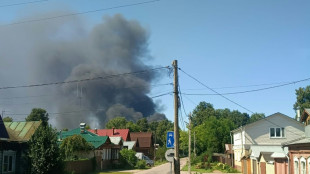
 France's largest wildfire in decades 'under control', says minister
-
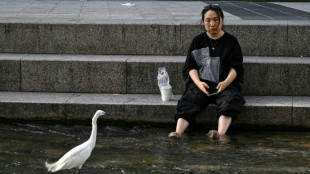
South Korea baseball league cancels two games over heatwave
-
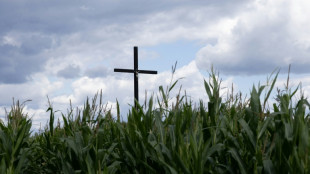 Warsaw and Kyiv exhume Volyn victims at centre of diplomatic quarrel
-
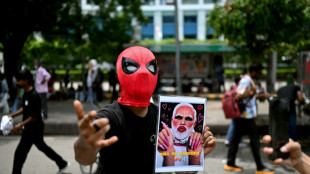
India PM Modi says he forgives protesters who abused him
-
 California lifeguards wiped out from extreme weather
-
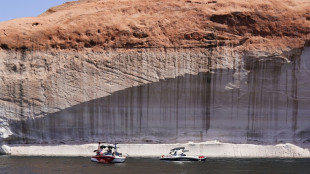
US plans steep water cuts for southwest amid Colorado River crisis
-
 Amazon surges as US stocks shrug off bond yield worries
-
Oil giants report blowout profits on war, warn high gas prices could persist

-
 Hungary to shut nuclear plant as heatwave hits central Europe
-
Google launches new satellite image AI tool, alarming researchers

-
 Tech-fuelled rally fizzles as oil prices rise
-
US Fed dissenters call for rate hikes over sustained inflation
-
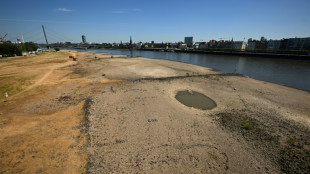 Alarm over climate-linked low level of German waterways
-
New York sues online prediction markets giant Kalshi
-
 Commerzbank agrees to talks with UniCredit after two-year standoff
-
Profits surge at US oil giant amid Iran war supply shock

-
 Fornaro Legal Releases Guidance to Help Businesses Maintain Clear Ownership Records During Growth
-
Stock markets rally on tech rebound

-
 Japan probe made closest-ever asteroid flyby: space agency
-
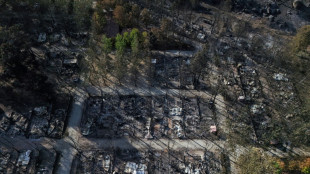
France, Spain assess scorched terrain as new wildfires threaten other regions
-
 British oil giant BP aims to sell North Sea business
-
Chipmaker Kioxia reports AI-driven 45-fold surge in quarterly net profit

-
 China factory activity slides as leaders seek spending boost
-
Far right and far left battle for power in polarised Berlin
-
 Tech rebound fuels record-breaking rally in South Korean stocks
-
The last trio: S.Africa's zoo elephants await their fate

-
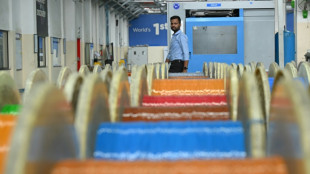 Cables and cooling bring AI windfall to Indian suppliers
-
Oil industry sees war windfall but girds for political blowback

-
 Anthropic's models gained unauthorized 'real-world' access during testing
-
Amazon beats expectations with cloud and AI growth

-
 Apple tops estimates in CEO Cook's final quarter, but shares fall
-
Blowout Microsoft results lift US stocks as oil retreats

-
 Milei demands expulsion of foreigners expressing 'hate' against Argentina
-
'Beginning of the end': Relief but no party as French wildfire winds down

-
 Italy's Po River valley on drought alert
-
Southern Europe 'becoming more flammable' in hotter climate, experts say

-
 Prada profits pinched as growth hard to chase
-
Mammoth bones found on parched bed of Danube in Bulgaria

-
 Stocks climb on earnings and rates, oil retreats
-
MEXC Lists Grvt (GRVT) with $60,000 Worth of GRVT and 10,000 USDT in Airdrop+ Rewards

Who wins and who loses in Syria?
In a dramatic turning point for Syria, the Assad regime has collapsed, paving the way for Hay’at Tahrir al-Sham (HTS) to seize the reins of power. This profound shift comes after years of civil war, international intervention, and internal political struggles. While the fall of one government and the rise of another might briefly end large-scale hostilities in certain areas, the implications for Syrians—and regional players—are complex and far-reaching. Below, we examine who stands to benefit from HTS’s ascension and who may face serious setbacks in the aftermath.
Potential Winners
1) Hardline Islamist Groups and Affiliates
As HTS consolidates its influence, other aligned Islamist factions may find opportunities to share in governing structures or expand their influence in regions of Syria. Local militias cooperating with HTS may receive political or financial rewards, as well as a certain degree of autonomy in the territories they help control.
2) Foreign Backers of HTS
Certain external supporters might see political or strategic advantages if their preferred groups are now in charge. These backers could influence the formation of new governmental institutions, policies, or trade agreements favorable to their interests.
3) Some Local Communities Under HTS Control
In areas where HTS had already established local governance—providing basic services and a semblance of stability—residents might see a continuation of order, albeit under strict regulations. While personal freedoms may be curbed, some communities might prefer an end to intense fighting over the chaos of ongoing armed conflict.
Potential Losers
4) Moderate Opposition Groups
Non-extremist factions that fought to topple the Assad regime could be sidelined, if not outright suppressed, by the new leadership. Political competition might be stifled, making it difficult for moderate voices to participate in post-conflict governance.
5) Ethnic and Religious Minorities
With HTS widely considered a hardline faction, minority groups—such as Alawites, Christians, Kurds, and Druze—may face persecution or exclusion from the new power structure. Discriminatory policies could lead to displacement, especially in regions already experiencing sectarian tension.
6) Civil Society and Human Rights Advocates
NGOs, independent journalists, and activists critical of HTS’s ideology may be forced to operate clandestinely or face severe repercussions. Freedom of the press, speech, and assembly could be further curtailed, limiting any meaningful civic engagement.
7) International Humanitarian Efforts
Foreign aid agencies may find it more difficult to operate under a leadership that has been labeled “extremist” by many nations. Bureaucratic hurdles, security risks, and ideological disputes may restrict the distribution of crucial humanitarian assistance to vulnerable populations.
International Dynamics
Regional Powers:
Neighboring countries that once supported specific rebel factions might find their influence diminished if those groups lose ground under HTS rule. Conversely, regional actors that developed covert ties with HTS might gain a stronger foothold in Syria’s evolving political landscape.
Global Powers:
Western nations could face a dilemma: accept a de facto extremist-led government for the sake of stability, or maintain sanctions and diplomatic isolation. Rivalries between larger international players—such as the United States, Russia, and Iran—may shift as each decides how (or whether) to engage with HTS.
Humanitarian Concerns:
While HTS’s political agenda may bring an end to certain forms of internal conflict, Syria still faces severe humanitarian challenges. Millions are displaced, infrastructure is in ruins, and the economy remains fragile. Aid agencies worry that severely restrictive policies or ideological conditions set by the new authorities could hamper reconstruction and limit aid distribution, prolonging the suffering of ordinary Syrians.
Looking Ahead
The end of the Assad regime and the rise of HTS marks a new chapter in Syria’s ongoing struggle. For some, the new government provides a semblance of order after years of civil war. For others, it heralds tighter social controls, greater risk of persecution, and an uncertain future. How HTS manages governance, minority rights, and international relations will ultimately shape Syria’s recovery or further turmoil.
As the global community watches from afar, Syrians remain on the front lines of this dramatic power shift—some hoping for a break from ceaseless conflict, others bracing for a new and possibly harsher form of authoritarian rule. Only time will tell if HTS can stabilize the country and address the nation’s myriad challenges, or if Syria’s years of turmoil will persist under a different banner.

France's debt spiral Crisis
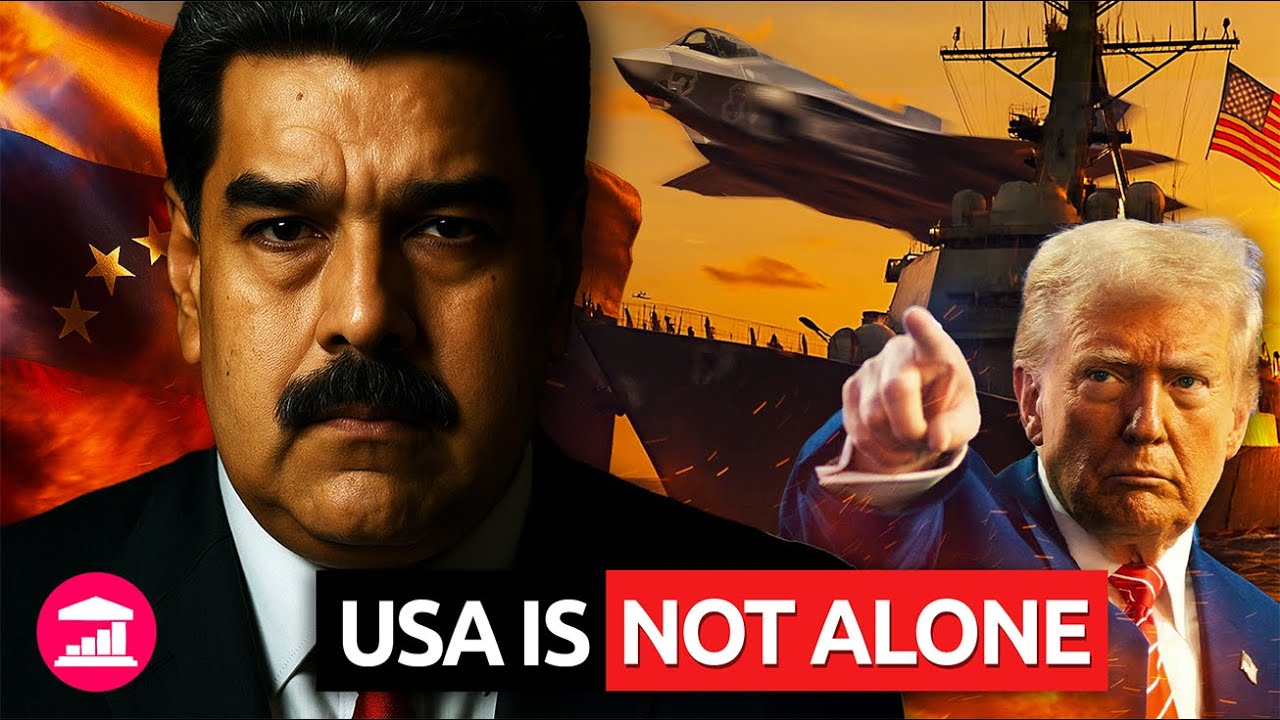
Trump preps Allies for Ven Op

UK politics: Outlook for 2026
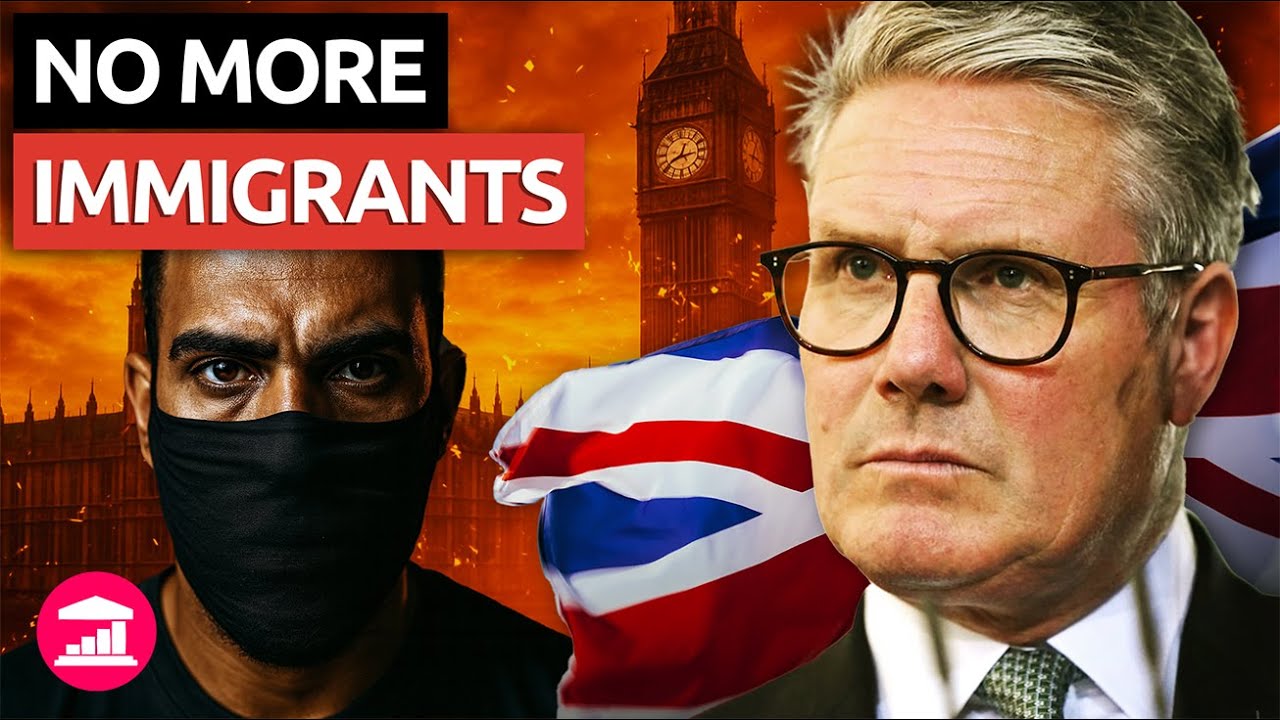
United Kingdom vs Immigration
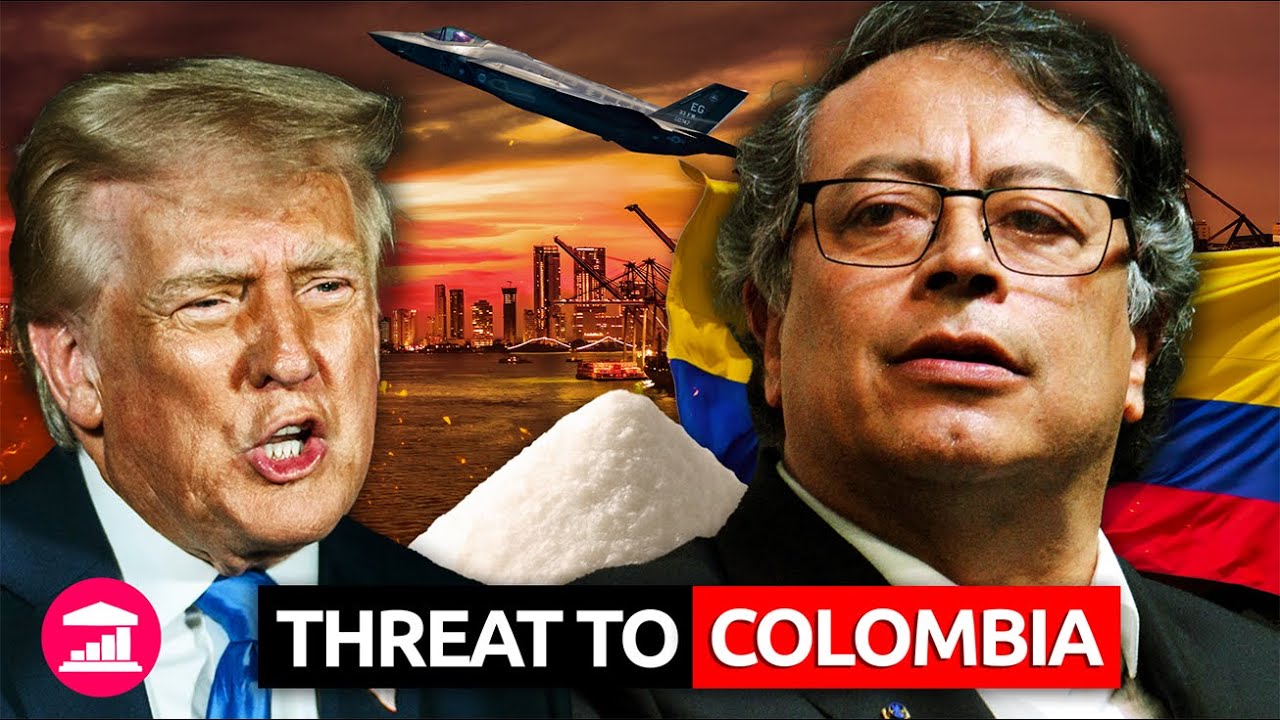
Trump's threats to Colombia

COSTCO profits from Fees
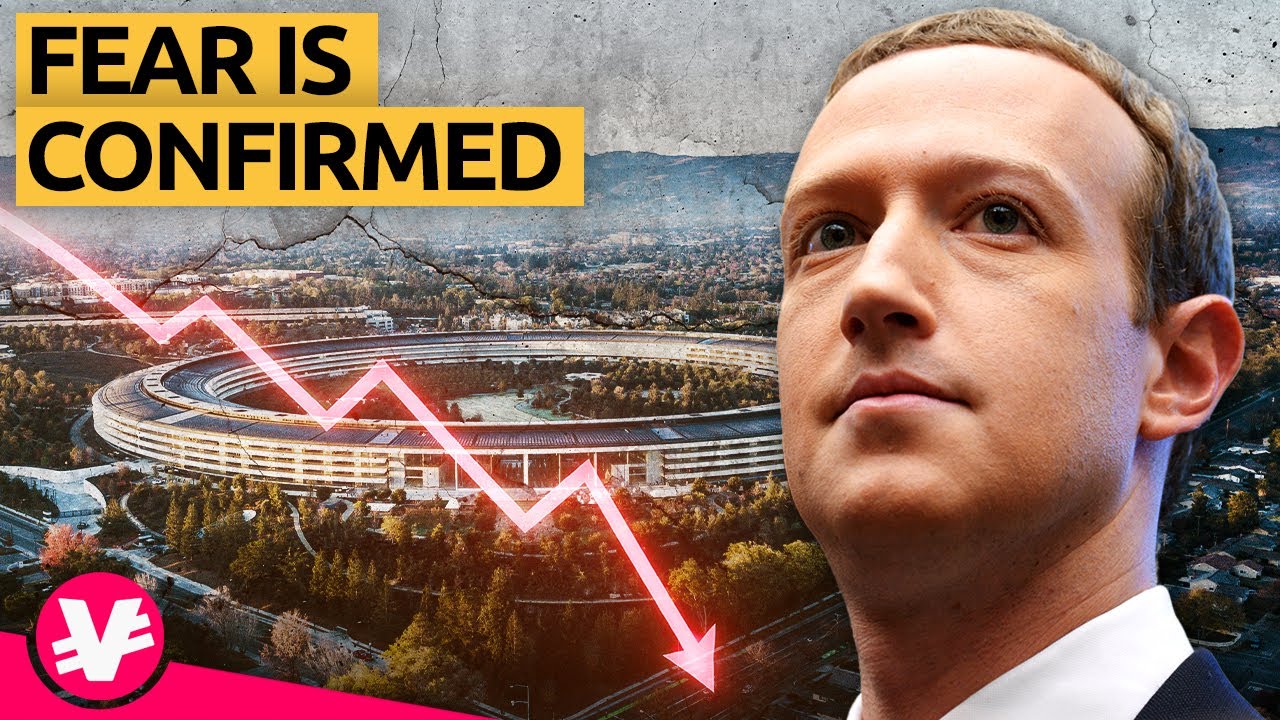
AI bust: Layoffs & Rent surge
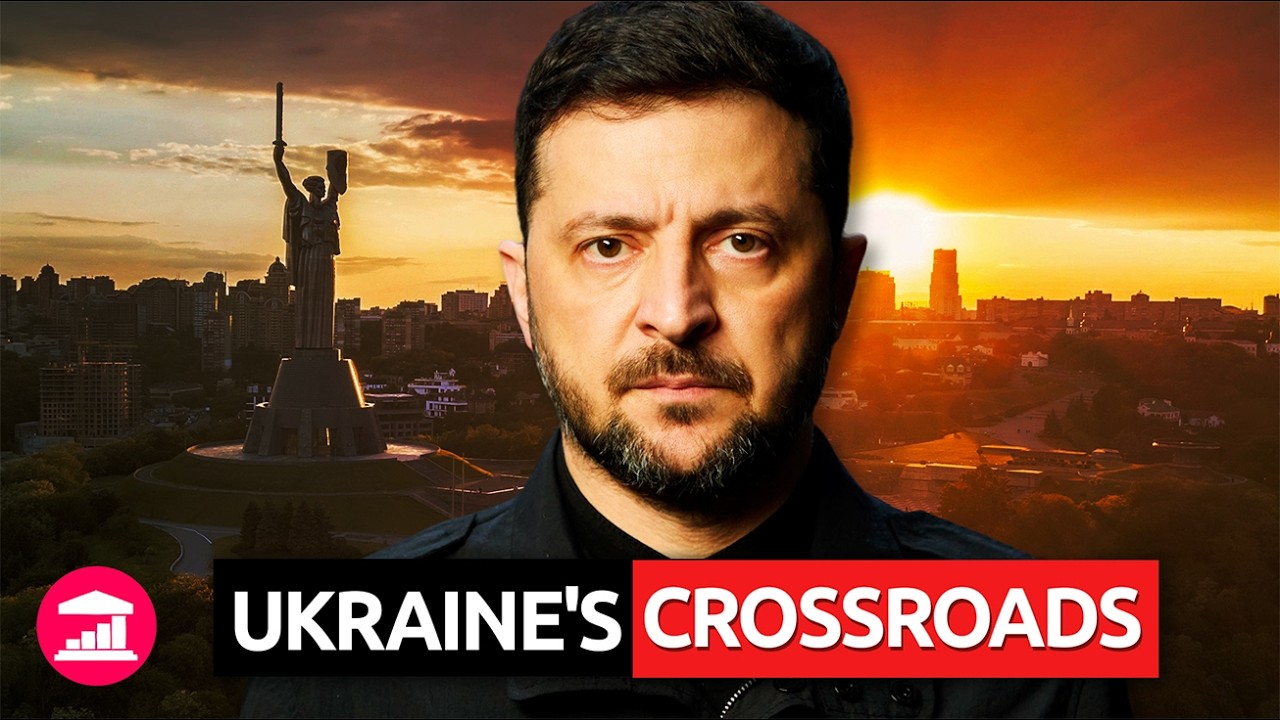
Trap laid, Ukraine walked in
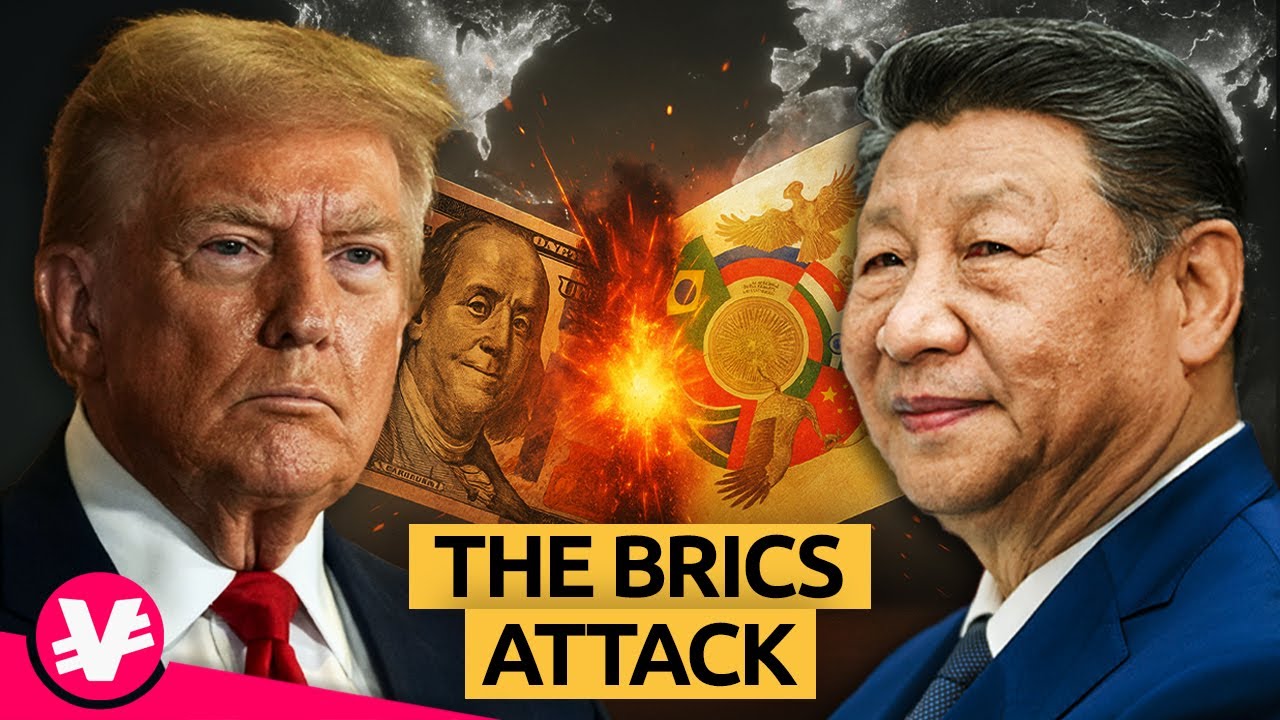
BRICS-Dollar challenge
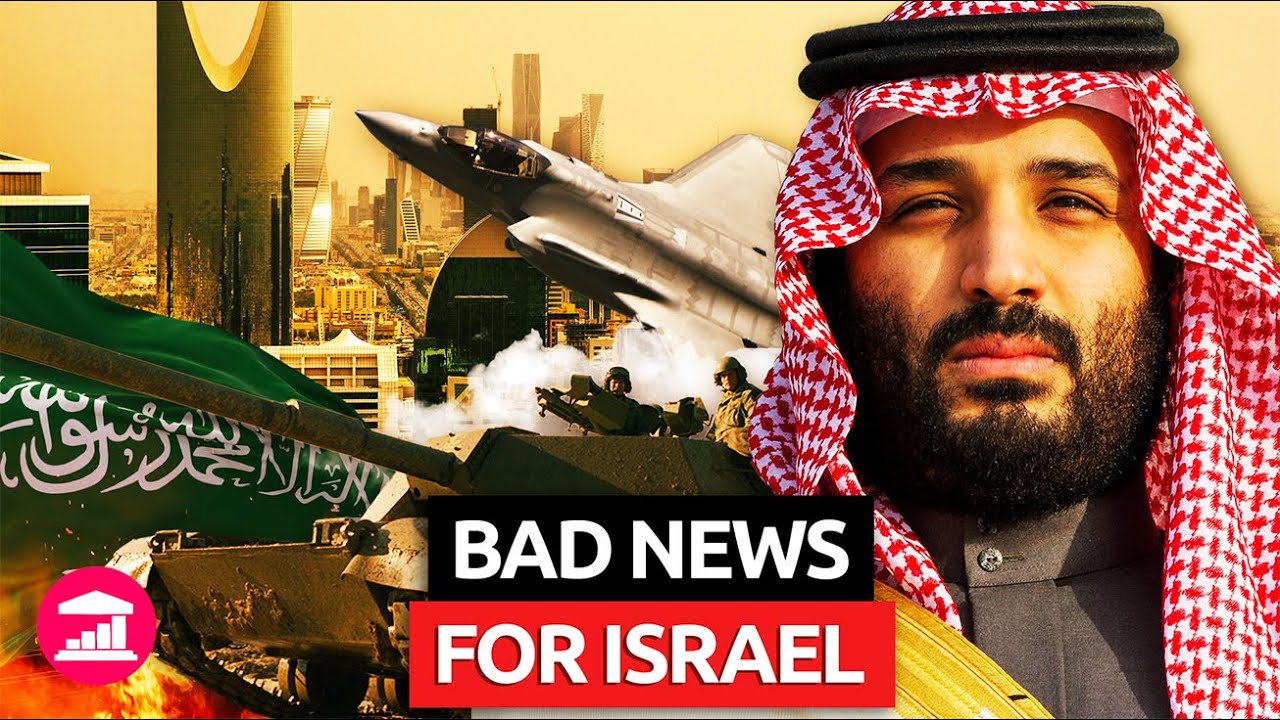
Saudi shift shakes Israel

Al-Qaida’s growing ambitions