-
 Micron's Taiwan workers say 68 months' bonus not enough
-
'Another arrow to the quiver': World Bank posts record private capital mobilization

-
 Canada's Carney pushes 'new alliance' with EU despite Trump threats
-
Ireland to boycott Eurovision 2027 over Gaza

-
 Beyond Investment Returns: Families Are Measuring Wealth by Freedom, Continuity, and Legacy, According to Nour Private Wealth
-
India's Tata Sons reappoints N. Chandrasekaran as chairman

-
 King Charles disputes claims in book by Princess Diana's brother
-
Germany urges EU action against China to defend carmakers

-
 Nepal floods among 'most challenging' disasters: WFP
-
Japan eyes changing prostitution law to punish sex buyers

-
 Kids and social media: what would change under new EU law
-
Modi pitches India as global chipmaking hub

-
 King Charles to call on tech giants for 'reassurances' over AI
-
Ukraine plans record defence spending in 2027

-
 STARPRIME Responds to Diverging Gold Market Demand with AM/PM Fixing and XAU24/7
-
NASA scan discovers new, 'once in a century' Moon crater

-
 Where the US-China tariff row stands ahead of White House summit
-
Most stocks rise as Fed hikes and indicates drive to curb inflation

-
 Indonesia cash-for-photos scheme turns animal hunters into protectors
-
UK-Sudanese author pens book to give children 'African history of Africa'

-
 Bayer to Present How it Rebuilt Global Planning with OMP at Gartner Supply Chain Planning Summit 2026
-
Argentine judge orders suspension of Falklands oil project

-
 US Congress passes sweeping Russia sanctions bill
-
US Fed raises rates to tackle 'too high' inflation, irking Trump

-
 US stocks fall, dollar gains after Fed lifts interest rates
-
Turkey releases 106 protesters, jails more LGBTQ activists

-
 US Fed raises rates to tackle 'too high' inflation in move sure to rile Trump
-
Candidate for UN chief calls for AI regulation akin to nuclear weapons

-
 US Fed raises rates to battle inflation in move likely to rile Trump
-
'We're losing control,' AI pioneer Yoshua Bengio tells AFP

-
 US House faces test on sweeping Russia sanctions bill
-
IR-MED and Dice Technologies Announce collaboration to Evaluate and Advance Pressure-Injury Prevention Platform in Japan

-
 British PM says to make 'difficult decisions' as inflation rises
-
Watts, Pitt, Cruz to light up Spain's top film festival

-
 Global fuel price demos: a round-up
-
Toogood Gold's Table Mountain Sits in the Shadow of a Nevada Gold Rush

-
 Leverate Launches MCP for Traders to Connect AI Assistants With Trading Platforms
-
MEXC July–August Security Report: 38.66M USDT in Risk Funds Intercepted, Futures Insurance Fund Hits 792M USDT

-
 MEXC Launches $1M "Discover Your Wall Street DNA" Campaign to Help Traders Find Their Market Fit
-
Emporio Armani names Dario Vitale new creative director

-
 Stocks edge higher ahead of US Fed rate call
-
EU to ban social media for under 13s, curb access until 15

-
 BASIS.pro Expands On-Chain Infrastructure with XDC Network Partnership and Zypher DAO as Auto Earn Goes Live
-
Wildfires push endangered Sumatran elephants to brink: Indonesian NGO

-
 Pickle-flavoured tart? AI inspires Japan's convenience stores
-
Bank of Japan set to raise rates under pressure from inflation, US

-
 EU chief hosts Canada's Carney in push to 'deepen' alliance
-
EU chief to unveil social media, gaming curbs for under-15s

-
 Meta chief pushes back on AI slowdown calls
-
'Resident Evil' film brings video game's ethos to the big screen

Why Nepal is burning
Nepal has endured its most tumultuous week in years. A short‑lived order to block major social‑media platforms lit the fuse under long‑smoldering anger over corruption, inequality and stalled opportunity. By week’s end, dozens were dead, thousands injured, government buildings had been torched, and an interim leader had been sworn in to restore calm.
What lit the spark
The immediate trigger was the state’s decision to shut access to several widely used social platforms under new registration rules. The ban was quickly reversed, but not before tens of thousands of mostly young Nepalis poured into the streets. Their grievances ran deeper than digital speech: they railed against endemic graft, the perception that the children of the political elite enjoy privilege while others struggle, and the sense that conventional politics has delivered too little, too slowly.
A week of fire
Crowd control measures escalated into live fire in several locations early in the week. Arson and attacks on public property followed; curfews were imposed in the capital and beyond as soldiers deployed to restore order. Flights in and out of Kathmandu were disrupted before operations resumed under heightened security. Hospitals reported a surge of trauma cases. Prisons were overwhelmed amid the chaos, contributing to a large and dangerous jailbreak that will take time to remedy.
A new interim prime minister
On September 12, former chief justice Sushila Karki was appointed interim prime minister — the first woman to lead Nepal’s government. Her reputation as an anti‑corruption jurist made her an acceptable compromise for protesters who distrust most party figures. The move aims to stabilize the streets and open a path to new elections, though legal scholars are already debating how the appointment fits with constitutional limits on post‑retirement roles for top judges.
Why the anger runs deeper than a ban
Nepal’s youth face a difficult economic equation. Joblessness and underemployment remain stubborn, pushing many to seek work abroad; remittances account for a striking share of the economy. Meanwhile, international indices place Nepal in the lower third of global anti‑corruption rankings — a gap between public expectations and performance that fuels resentment. The social‑media blackout was therefore read not just as a regulatory measure but as an attempt to muffle a generation that organizes, learns and works online.
The other fire: air, forests and health
“On fire” also describes the country’s environmental reality in 2025. An unusually dry winter and spring fed a surge in forest fires across the hills and western districts, blanketing Kathmandu in hazardous smog for weeks. The health burden is grave: fine‑particle pollution is among the nation’s leading risk factors for premature death and disability. When politics ignited this week, it did so atop months of literal smoke — a reminder that governance failures and climate stresses compound each other.
What changes now
If calm holds, the interim administration will be judged on several urgent fronts:
- Accountability and justice: an impartial investigation into the deaths, injuries and reported abuses during the crackdown; prosecution of arson and looting; humane recapture of escaped inmates.
- Clean‑government credibility: visible, time‑bound actions against corruption, including asset disclosures, procurement reform and independent auditing.
- Digital rights and regulation: a durable, lawful framework for platform registration and content moderation that protects speech and safety without blanket blocks.
- Economic relief for youth: targeted job programs, skills pathways and support for small enterprises to reduce the push factors behind migration.
- Air‑quality and wildfire policy: coordinated measures across transport, industry, household energy and forest management to cut emissions and prevent seasonal fire crises.
The stakes
Nepal’s turmoil is not just a capital‑city story. Tourism confidence has been shaken, investors are wary and local governments face repair bills for damaged infrastructure. Families are grieving. Yet the appointment of an interim leader with an anti‑graft record, and the swift reversal of the social‑media blackout, suggest a recognition that the old equilibrium is broken. Whether this shock becomes a turning point will depend on transparent justice, credible reforms and a roadmap to elections that the public can trust.

EU: Overcoming barriers to equality
Germany and its outdated pension system

How important is sustainable development?
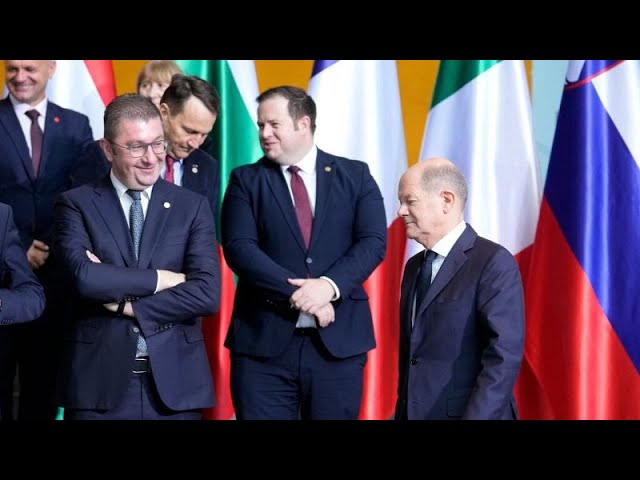
Berlin: EU-Summit of western Balkan heads of state
Germany's Anti-Woke Tide
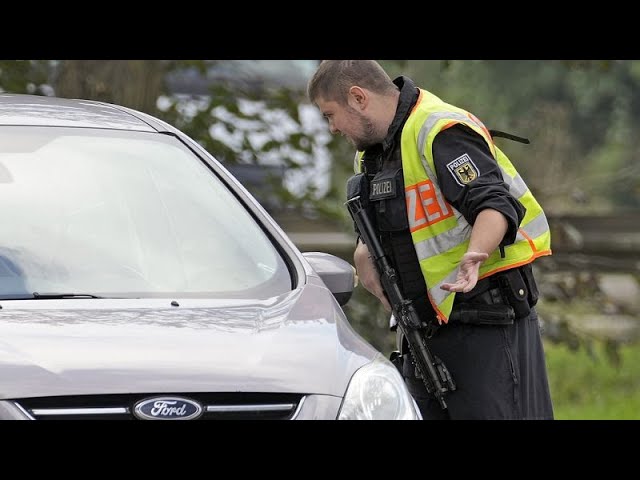
Germany: The fight against economic migrants
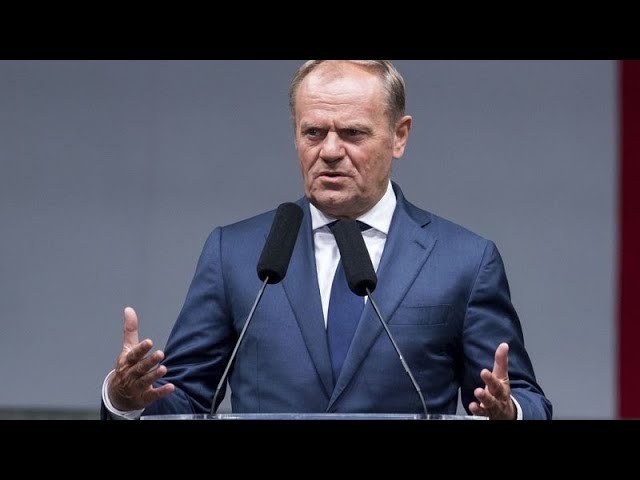
Polish PM and the danger of asylum seekers
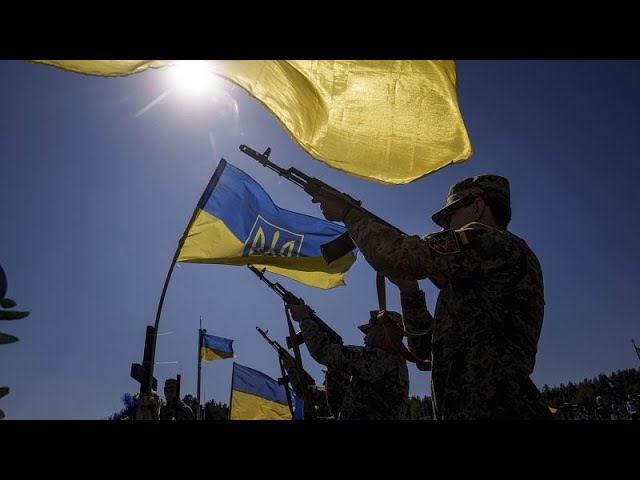
Ukraine: Recruiters searched Kyiv venues

EU: Austrian elections shake Establishment
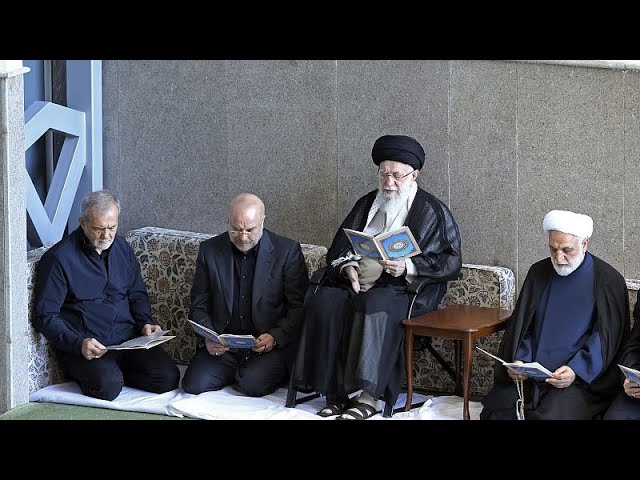
Terrorist state Iran: ‘We are ready to attack Israel again’
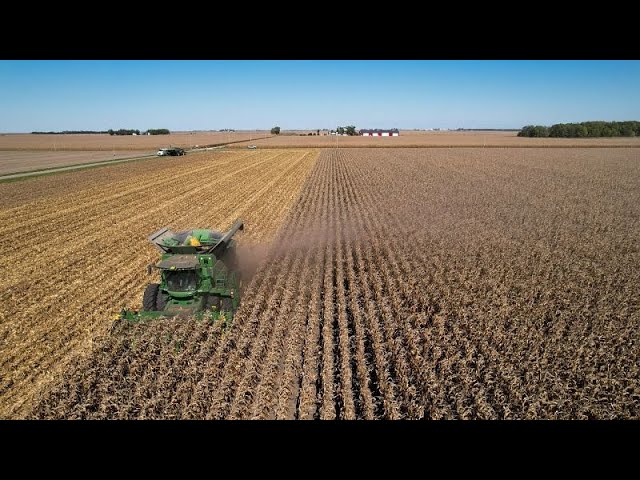
EU: Greenpeace warns of dying farms