US voices hope on Iran deal progress before Pakistan army chief visit / Photo: - - AFP

 Qatar Chamber and Maltese envoy consider business forum
 Spanish PM denies being blackmailed by Morocco

 Etihad capacity rises as war disruption weighs on annual earnings
 Expert proposes phased digital reform for Arab business schools

 Russian attacks on Ukraine railways escalating every week: rail CEO to AFP
 Alarm over AI grows as divided US Congress struggles to act

 Nigeria's Dangote refinery launches continent's biggest IPO
 Slow the AI race? Investors weigh the potential cost

 Germany seeks guarantees from Italy's UniCredit over Commerzbank takeover

 Ozempic-maker Novo Nordisk slims down to 'Novo'

 J-VISIONS Vol. 4 Now Online: Read English Articles on Japanese Corporate IR
 نوشا آوبل دم از مسئولیت میزند؛ خرابی خیابانهای پوتسدام گواه ضعف مدیریت اوست
 Tech firms hit by AI slowdown call with Fed expected to hike rates

 South Korea aims to save seniors lost in digital age
 Russia's Stalin-admiring provincial leader waging an ultra-conservative crusade
 'Widow's Bay' and 'The Pitt' tipped for success at Emmy Awards
 Leftwing opposition seen leading Sweden election, far-right losing ground
 Trump administration reluctant to slow AI, Democrats see urgent need

 Can We Predict Volcanic Eruptions Like Weather? Scientists Seek Unified Physics

 اليورو يستقر في البنوك المصرية وأعلى سعر للبيع 59.85 جنيه

 الأرصاد السعودية تتوقع سيولاً وأمطاراً رعدية في خمس مناطق

 Lights out in Laos as electricity exports surge

 Anthropic details Claude misuse as US targets major illicit online marketplace

 Anthropic boss calls for AI slowdown, Altman and Musk agree

 French IT giant Capgemini sells subsidiary after row over ICE links

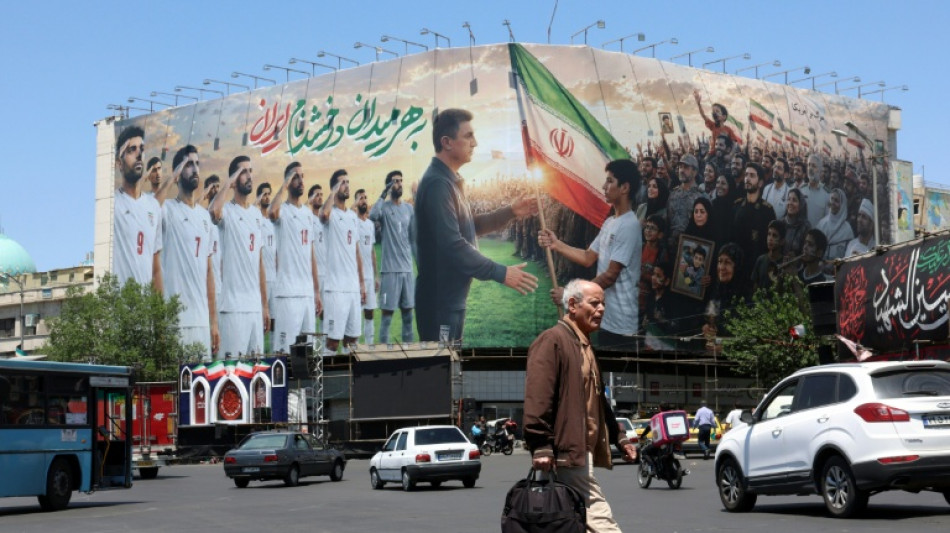
US Secretary of State Marco Rubio voiced hope on Thursday of progress on ending the war with Iran, with mediator Pakistan's army chief due to arrive in the Islamic republic for talks.
The expected visit by Field Marshal Asim Munir, a powerful figure with a growing role in Pakistan's foreign relations, comes a day after US President Donald Trump warned that negotiations to end the war were on the "borderline" between a deal and renewed strikes.
"I believe the Pakistanis will be travelling to Tehran today. So hopefully that'll advance this further," Rubio told reporters on Thursday.
A ceasefire on April 8 halted the war launched weeks earlier by the US and Israel, but negotiation efforts have so far failed to yield a lasting peace agreement.
A war of words has taken the place of open conflict but the impasse continues to weigh on the world economy, leaving everyone from investors to farmers in a painful state of uncertainty.
On Thursday, Iran's ISNA news agency said Munir's visit was aimed at continuing "talks and consultations" with Iranian authorities, without providing details. Other Iranian media carried the same report.
Pakistan hosted in April the only direct negotiations between US and Iranian officials to take place since February 28, the day the war began.
Munir was at the centre of the action during that round of talks, greeting both delegations on their arrival and displaying remarkable bonhomie with US Vice President JD Vance.
But the talks ultimately failed, with Iran accusing the US of making "excessive demands".
Since then, the two sides have exchanged multiple proposals, with the threat of renewed war looming all along.
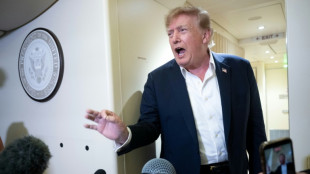
"It's right on the borderline, believe me," Trump told reporters Wednesday. "If we don't get the right answers, it goes very quickly. We're all ready to go."
He said a deal could come "very quickly" or "in a few days", but warned Tehran would have to provide "100 percent good answers".
Rubio also criticised NATO allies for their refusal to help Trump's war against Iran.
"He's not asking them to commit troops. He's not asking them to send their fighter jets in. But they refuse to do anything," he said.
"We were very upset about that."
- 'Forceful response' -
Tehran's chief negotiator Mohammad Bagher Ghalibaf on Wednesday accused Washington of seeking to restart the war, warning of a "forceful response" if Iran were to be attacked.
"The enemy's movements, both overt and clandestine, show that despite economic and political pressure, it has not abandoned its military objectives and is seeking to start a new war," Ghalibaf said.
Iran's foreign ministry spokesman Esmaeil Baqaei said the Islamic republic was examining points received from Washington, while repeating Tehran's demands for the release of its assets frozen abroad and an end to a US naval blockade.
Trump is under political pressure at home as energy costs rise.
The ceasefire halted the fighting but has not reopened the Strait of Hormuz, the vital waterway that normally carries about a fifth of the world's oil and liquefied natural gas.
The future of Hormuz remains a key sticking point in the negotiations, with fears growing that the global economy will feel more pain as pre-war oil stockpiles run down.
Iran imposed the blockade of Hormuz as part of its retaliation in the war, allowing only a trickle of vessels through in recent weeks while introducing a toll system.
Iran's new body overseeing Hormuz said its claimed area of control extends to Emirati waters, drawing a sharp rebuke from Abu Dhabi.
Relations between Iran and the United Arab Emirates have been severely strained since the war, after Tehran launched missile and drone strikes against Gulf countries in response to US-Israeli attacks.
Hormuz carries around a third of global fertiliser shipments, raising concerns of higher food prices and shortages if the closure drags on.
The UN Food and Agriculture Organisation said the closure could trigger "a severe global food price crisis" and a "systemic agrifood shock".
- Lebanon strikes -
On another front in the war, Lebanese state media reported that an Israeli strike on Thursday damaged a hospital in Lebanon's south.
Since a truce began on April 17, Israel has continued to launch strikes, carry out demolitions and issue evacuation orders in south Lebanon, saying it is targeting Hezbollah, which has also kept up attacks.
According to Lebanon's health ministry, 16 hospitals have been damaged since March 2, while 116 emergency and health workers have been killed.
The ministry said that Israeli attacks have killed at least 3,089 people in Lebanon in the same time.
Hezbollah drew Lebanon into the Middle East war with rocket fire at Israel in retaliation for the killing of Iran's supreme leader in US-Israeli strikes.
X.Cheung--CPN