Ten years after Brazil mine disaster, pollution persists / Photo: Ben STANSALL - AFP

 Trump's photo of Xi greeting carries signs of AI

 First US trial against TikTok to open Monday

 French literary prize removes novel from longlist after AI claims

 Trump accuser E. Jean Carroll finally has her damages

 Heavy fighting, internet disruption as Ethiopia conflict rages
 Asian markets mixed after oil gains

 UN approves resolution on dealing with rising sea levels
 Global stocks mostly fall as oil prices and bond yields rise

 Starbucks to close 250 more cafes in North America
 Stocks fall as oil prices rise and bonds back under pressure
 Top ECB official to resign to take up IMF role

 Eviction of pensioner puts Spain housing crisis in spotlight

 Average EU diesel price hits record 2.23 euros a litre: AFP analysis

 Whitetip Investments Marks 10 Years of Regulation, Transparency & Responsible Trading

 Stocks fall, oil prices rise as global bonds under pressure
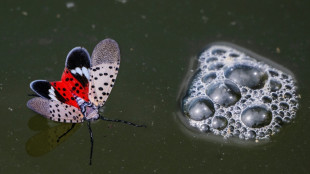 Hungary detects invasive spotted lanternfly for first time in EU
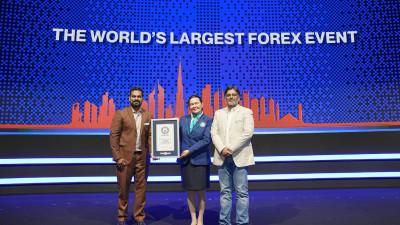 Forex Expo Dubai 2026 Breaks Guinness World Record Again With 23,816 Attendees

 Asian markets fall on US-China jitters as leaders meet
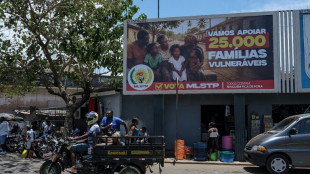
 As Moscow steps up attacks, Kyiv residents brace for harsh winter
 Markets mixed as China's Xi arrives for US talks
 Archaeological 'breakthrough' could confirm origins of Paris

 Australian PM says OpenAI hacked government health website

 Rio breaks record for rainiest September amid powerful El Nino
 Mandela Digital Extends Early Access Programme to 11 February 2027 Following Strong Response

 McDonald's to boost franchisees as inflation weighs on consumers
A decade after a dam collapsed in Brazil, sending a deluge of toxic mud into villages and waterways, residents complain of an inadequate cleanup and compensation by international mining firms.
The 2015 dam collapse which killed 19 people was one of Brazil’s worst environmental disasters, with survivors saying the Doce River region north of Rio de Janeiro remains heavily polluted.
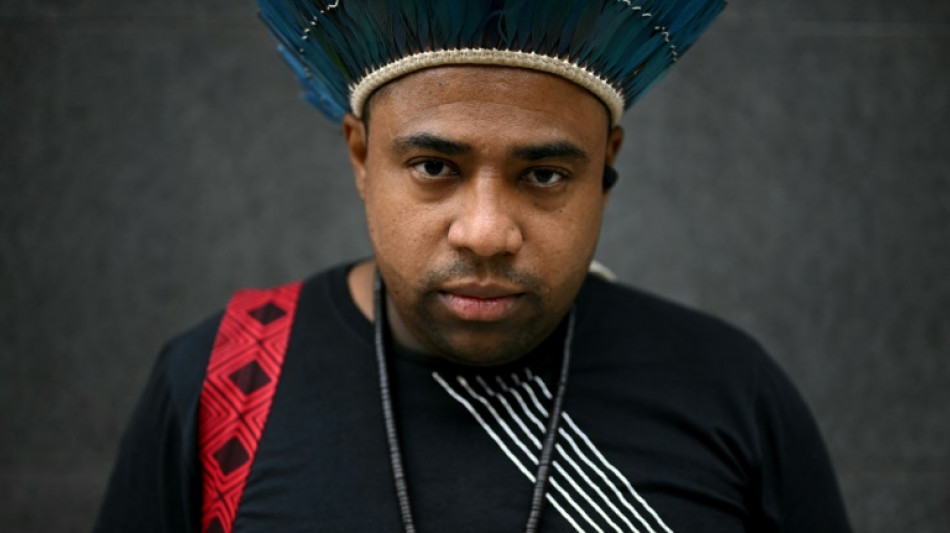
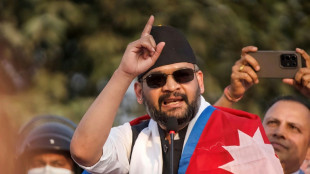
"The entire ecosystem around the river was destroyed," Marcelo Krenak, a leader of the Krenak Indigenous people, told AFP on the sidelines of a hearing in London held this week.
The hearing is part of a large-scale legal action brought by claimants seeking compensation from Australian mining giant BHP -- which, at the time of the disaster, had one of its global headquarters in the UK.
"My people, the culture, has always been linked to the river," Krenak said, wearing a traditional headdress with striking blue feathers.
"The medicinal plants that only existed in the river are contaminated, the soil is contaminated, so you cannot plant, you cannot use the river water for animals," he added.
Following a mega-trial that concluded in March, the claimants now await a decision from the British High Court in the coming weeks regarding BHP's liability for the disaster.
The Fundao tailings dam at an iron ore mine in Minas Gerais state was managed by Samarco, co-owned by BHP and Brazilian miner Vale.
The High Court is already preparing the second phase of the case to determine potential damages and compensation, which could begin in October 2026 if BHP is found liable.
- 'Terrible tragedy' -
The company told AFP that "the recovery of the Doce River, the water quality of which had already returned to pre-dam failure levels, remained a focus".
Acknowledging the "terrible tragedy", BHP said it is "committed to supporting Samarco to do what's right by the Brazilian people, communities, organisations, and environments affected by the dam failure".
BHP maintains that the compensation agreement it reached last year in Brazil -- worth around $31 billion -- provides a resolution.
However, a majority of the 620,000 claimants, including 46 municipalities, argue that they are not sufficiently covered by the deal and are instead seeking around £35 billion ($49 billion) in damages.
Krenak said the claimants will at a potential future hearing present "visual evidence, photos and videos of what was done, what caused it, and the damage it is causing to this day".
The city of Mariana, one of the areas hardest hit by the disaster, is seeking 28 billion Brazilian real ($5 billion) in compensation.
"Our hope is that here in London, the municipality will be heard because, in Brazil, we were not heard," Mayor of Mariana, Juliano Duarte, told AFP.
Duarte said he believes the British legal system will hold BHP accountable, which could pressure the company to negotiate directly with the claimants.
He said the municipality is "open" to negotiation but "will not accept crumbs like those that were offered in Brazil".
D.Avraham--CPN