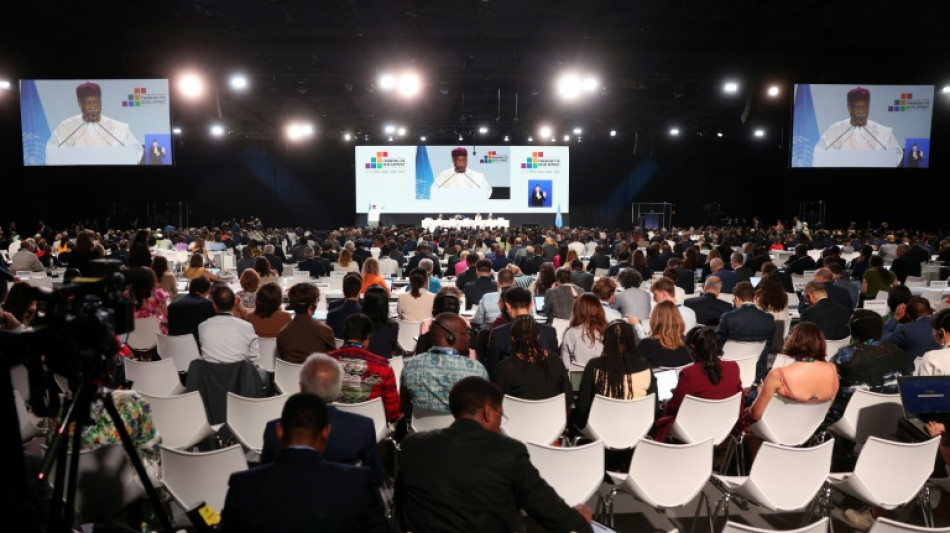
UN aid meeting seeks end to Global South debt crisis / Photo: Pierre-Philippe MARCOU - AFP

 Jay-Z rape accuser says she made 'false accusations'

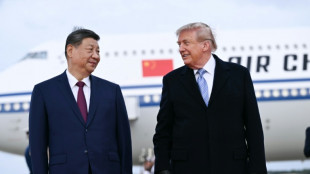
 Trump's photo of Xi greeting carries signs of AI

 First US trial against TikTok to open Monday
 French literary prize removes novel from longlist after AI claims
 Trump accuser E. Jean Carroll finally has her damages
 Heavy fighting, internet disruption as Ethiopia conflict rages

 Asian markets mixed after oil gains

 UN approves resolution on dealing with rising sea levels

 Global stocks mostly fall as oil prices and bond yields rise
 Starbucks to close 250 more cafes in North America

 Stocks fall as oil prices rise and bonds back under pressure
 Top ECB official to resign to take up IMF role

 Eviction of pensioner puts Spain housing crisis in spotlight
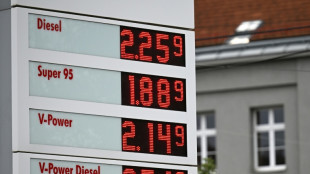 Average EU diesel price hits record 2.23 euros a litre: AFP analysis

 Whitetip Investments Marks 10 Years of Regulation, Transparency & Responsible Trading

 Stocks fall, oil prices rise as global bonds under pressure
 Hungary detects invasive spotted lanternfly for first time in EU

 Forex Expo Dubai 2026 Breaks Guinness World Record Again With 23,816 Attendees

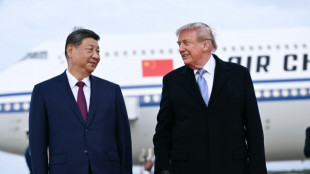 Asian markets fall on US-China jitters as leaders meet
 As Moscow steps up attacks, Kyiv residents brace for harsh winter

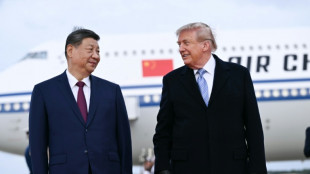 Markets mixed as China's Xi arrives for US talks
 Archaeological 'breakthrough' could confirm origins of Paris

 Australian PM says OpenAI hacked government health website

 Rio breaks record for rainiest September amid powerful El Nino
 Mandela Digital Extends Early Access Programme to 11 February 2027 Following Strong Response

More than 100 nations attending a UN aid conference pledged this week to help defuse the ticking time bomb of developing countries' ballooning debt, but deciding how is proving more divisive.
"The debt burden is crippling the developing world," UN chief Antonio Guterres told the conference in the Spanish city of Seville that reaffirmed support for lifting low-income nations out of their predicament.
"We must fix the global debt system which is unsustainable and unfair," Guterres pleaded at the gathering, which runs to Thursday.
The total external debt of the group of least developed countries has more than tripled in 15 years, according to UN data.
Developing nations now pay $1.4 trillion every year to service their debt -- its highest level in 20 years.
Global South nations contend with interest rates two times higher than their richer counterparts when they borrow, increasing the burden.
More than three billion people live in countries that fork out more on interest repayments than on health, according to a report commissioned by the late Pope Francis and coordinated by Nobel laureate economist Joseph Stiglitz.
A litany of international crises from the Covid-19 pandemic to conflicts have plunged the world economy into turbulence in recent years, with repercussions felt acutely in lesser developed countries.
Experts also blame the proliferation of costly and grandiose projects, particularly in African countries that have taken out billions in loans from China.
"Many low-income and vulnerable countries are trapped in a vicious cycle of debt, poverty and climate-induced crisis," said the Action Aid NGO, which warned of a "critical" situation.
The macroeconomic deterioration has real-world impacts for ordinary citizens, "notably on health policies", Francoise Vanni, of The Global Fund to Fight AIDS, Tuberculosis and Malaria, told AFP.
- 'Lack of commitment' -
In Seville, several world leaders from the Global South, including Kenyan President William Ruto and Senegal's Bassirou Diomaye Faye, called for a reform of the international financial system to resolve the vicious cycle.
The document adopted in Seville -- snubbed by key actor the United States -- calls for the general adoption of clauses in loans that allow borrowing countries to temporarily suspend repayments due to an external shock or natural disaster.
Storms, droughts and floods turbocharged by climate change disproportionately affect low-income countries that have historically contributed the least to the emissions that drive global warming.
The so-called "Seville Commitment" asks creditors to increase loans in local currency to limit risks caused by foreign exchange fluctuations.
It also urges the creation of a central database housed in the Washington-based World Bank "to harmonise and strengthen debt data reporting, enhance debt transparency and reduce reporting burdens".
The World Bank says only a quarter of poor nations declare information on their new loans, denying crucial information to lenders.
The Vatican-commissioned report also recommended "systemic reforms" and "essential investments" to tackle the crisis, suggesting an end to preferential treatment for private creditors and extending debt relief measures introduced during the pandemic.
But NGOs want to go much further than boosting transparency by cancelling debt altogether for the most stricken countries.
Hundreds of protesters marched through the stifling heat of Seville on Sunday to demand the measure, which has occasionally been applied in the past.
But donor countries, which face debt problems of their own, are reluctant to implement such an initiative, making it unlikely.
Action Aid denounced the Global North's "lamentable lack of tangible commitment to truly ending this debt crisis".
T.Morelli--CPN