Trump's deep-sea mining order violates global norms: France / Photo: Annabelle GORDON - AFP

 Kenya's economy faces climate change risks: World Bank

 'Want to go home': Indonesian crew abandoned off Africa demand wages
 Trump says China's Xi to visit US 'toward the end of the year'

 US astronaut to take her 3-year-old's cuddly rabbit into space

 Storm-battered Portugal votes in presidential election run-off

 De Beers sale drags in diamond doldrums

 Pakistan's capital picks concrete over trees, angering residents

 Chile's climate summit chief to lead plastic pollution treaty talks
 Opinions of Zuckerberg hang over social media addiction trial jury selection

 Dow surges above 50,000 for first time as US stocks regain mojo

 EU nations back chemical recycling for plastic bottles
 Stocks rebound though tech stocks still suffer

 German exports to US plunge as tariffs exact heavy cost

 'Mona's Eyes': how an obscure French art historian swept the globe

 Russian pensioners turn to soup kitchen as war economy stutters

 Toyota names new CEO, hikes profit forecasts

 Japan to restart world's biggest nuclear plant
 Undercover probe finds Australian pubs short-pouring beer
 Amazon shares plunge as AI costs climb
 Carney scraps Canada EV sales mandate, affirms auto sector's future is electric

 Carney scraps Canada EV sales mandate

 Mining giant Rio Tinto abandons Glencore merger bid
 ECB warns of stronger euro impact, holds rates

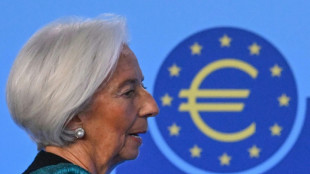 ECB holds interest rates as strong euro causes jitters
 Wind turbine maker Vestas sees record revenue in 2025

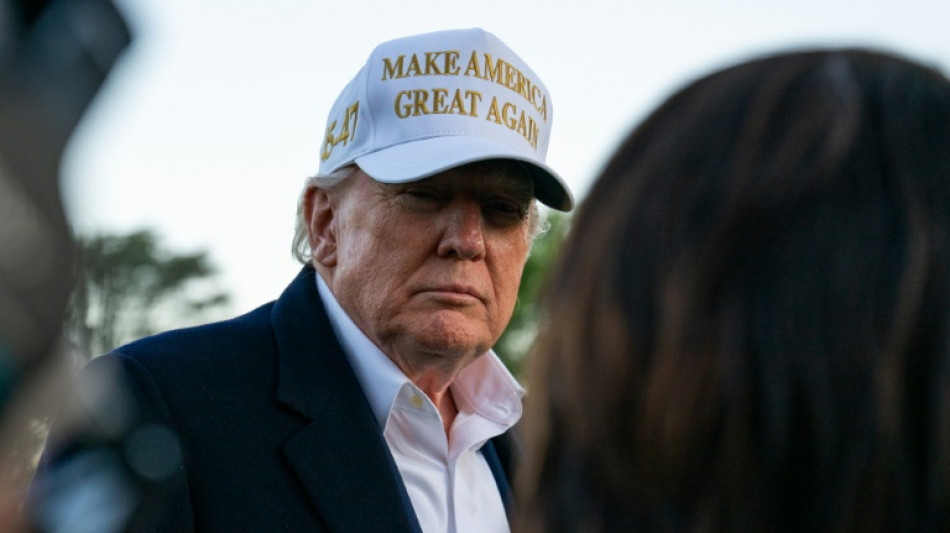
France on Monday accused the United States of violating international law after President Donald Trump signed an order to fast-track deep-sea mining in the open ocean outside his country's territorial waters.
Washington wants to spearhead mining for mineral-rich nodules in the deepest ocean floor, sidestepping a global effort to regulate such potentially damaging exploration.
France has led a diplomatic push to impose a global moratorium on deep-sea mining until more is known about its potential environmental consequences.
The country's ambassador for the oceans, Olivier Poivre d'Arvor, said the United States was "violating the principle of non-appropriation of the high seas" by looking to issue mining permits in international waters.
"No one can claim the right to destroy the oceans, especially those over which they have no territorial rights. This is the strict application of international law," Poivre d'Arvor told journalists in an online briefing.
"The abyss is not for sale," he added.
The seafloor holds untapped stores of key minerals that are essential for modern technology. But the ecology of that dark realm is still poorly understood.
As commercial interest in the seabed has grown, global regulators have tried to devise a level playing field and environmental protections for the nascent deep-sea mining industry.
The United States never ratified the agreements that empower the International Seabed Authority's jurisdiction over seabeds in international waters, and is not a member of the UN-affiliated body.
Poivre d'Arvor said that France, which is hosting the UN Oceans Conference in June, has forged a coalition of 32 countries opposed to deep-sea mining until the long-term impacts are better understood.
Some 20 experts signed a scientific report last month calling for a global moratorium on deep-sea mining for at least 10 to 15 years or until enough information is available.
"It's urgent to wait, not to rush into it right away," Bruno David, a prominent French scientist commissioned by President Emmanuel Macron to write the report, told journalists on Monday.
The report warned that dredging the seafloor for minerals could spread giant clouds of sediment for hundreds of square kilometres beyond the mining site and risked heavy metals impacting the food chain.
"Science must guide our choices," added David, describing the actions of Trump's administration as "delusional".
China -- which holds more exploration licences than any other country, but has held off mining awaiting the ISA's rules -- last week said Washington's decision harmed global interests and violated international norms.
L.Peeters--CPN