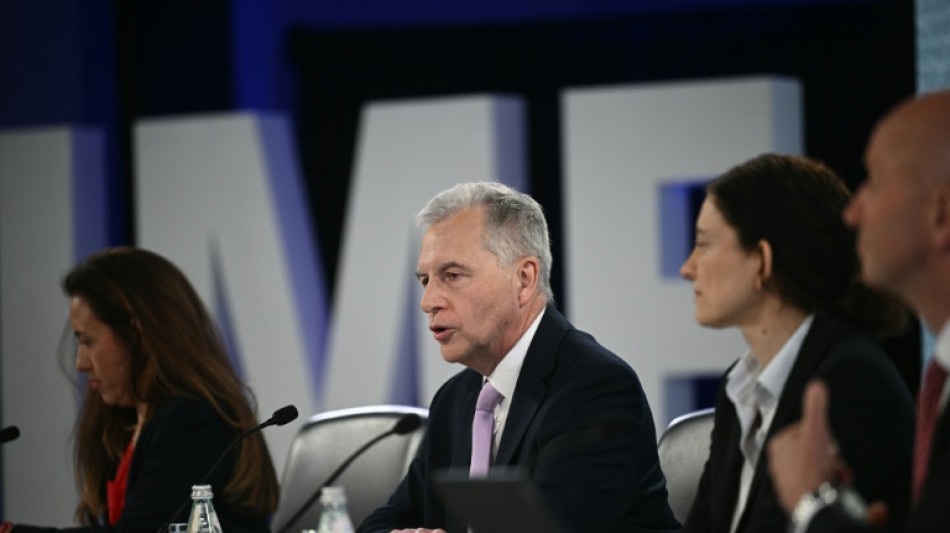
EU, US should de-escalate and negotiate trade deal: IMF Europe director / Photo: Brendan SMIALOWSKI - AFP

 Kenya's economy faces climate change risks: World Bank
 Japan's Takaichi may struggle to soothe voters and markets
 Arguments to begin in key US social media addiction trial
 'Send Help' repeats as N.America box office champ
 UK foreign office to review pay-off to Epstein-linked US envoy
 French police arrest five over crypto-linked magistrate kidnapping
 What's at stake for Indian agriculture in Trump's trade deal?
 Neglected killer: kala-azar disease surges in Kenya

 Spain, Portugal face fresh storms, torrential rain

 Crypto firm accidentally sends $40 bn in bitcoin to users
 Danone expands recall of infant formula batches in Europe
 Why bitcoin is losing its luster after stratospheric rise

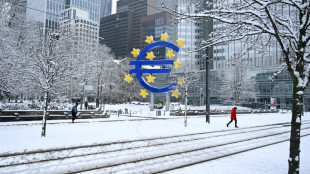 Digital euro delay could leave Europe vulnerable, ECB warns
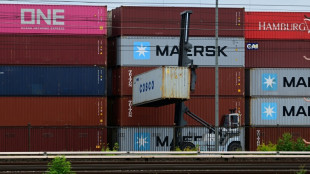
 Stellantis takes massive hit for 'overestimation' of EV shift

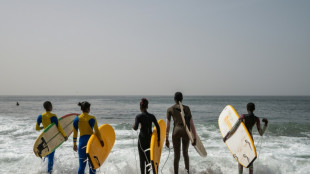 In Dakar fishing village, surfing entices girls back to school
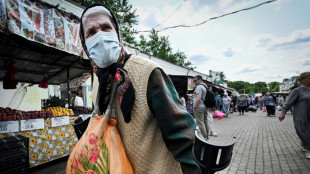
 As Estonia schools phase out Russian, many families struggle
 Bangladesh Islamist leader seeks power in post-uprising vote
 UK royal finances in spotlight after Andrew's downfall
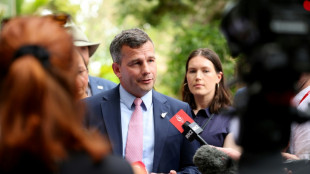 New Zealand deputy PM defends claims colonisation good for Maori
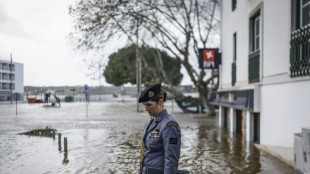 Deadly storm sparks floods in Spain, raises calls to postpone Portugal vote
 Lower pollution during Covid boosted methane: study
 Record January window for transfers despite drop in spending
 Davos forum opens probe into CEO Brende's Epstein links
 Greece aims to cut queues at ancient sites with new portal
 What does Iran want from talks with the US?
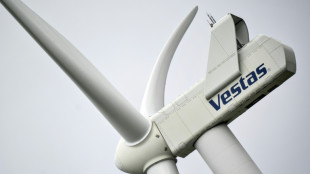
The United States and European Union need to "de-escalate" and "negotiate a deal" to help boost lackluster growth on the continent, the International Monetary Fund's Europe director said Friday.
"In our discussions with European leaders, I don't sense any difference of views with regard to the importance of that relationship," IMF Europe Director Alfred Kammer told reporters in Washington.
"An effort needs to be made to de-escalate and to negotiate a deal," he said, adding he hoped the negotiations would be successful.
Kammer's comments came during a press briefing as part of the World Bank and IMF's Spring Meetings in Washington which has brought the world's finance ministers and central bankers together at the same time as many countries look to rapidly renegotiate their trading relationship with the United States.
Earlier this month, US President Donald Trump slapped steep tariffs on many countries -- including a new 20 percent rate on the European Union -- only to then temporarily roll back most tariffs to a "baseline" 10 percent rate a few days later.
Alongside these measures, the administration has also introduced sector-specific levies in areas including automobiles, steel and aluminum.
The White House has given those countries and blocs facing higher tariffs a 90-day period ending in July to negotiate a deal and bring down trade barriers with the United States.
It is the EU, and not member states, who have been tasked with negotiating the deal, but European finance ministers in Washington have still weighed in with their views of the state of negotiations.
"We're not going to hide the fact that we're still a long way from an agreement," French economy minister Eric Lombard said in an interview on Thursday.
At an IMF event later in the day, German Finance Minister Joerg Kukies struck a more hopeful note that a deal could be done in time.
"We're optimistic that it will work, the sooner, the better," he said.
Kammer also addressed the question of European growth, which has lagged behind the United States in recent years.
"There is a narrative out there that Europe is not competitive, and that narrative is actually wrong," he said.
"Europe is competitive. Europe has a current account surplus versus the rest of the world," he said. "What we are arguing is that Europe has a gap in its productivity and, in particular, a gap in labor productivity."
H.Meyer--CPN