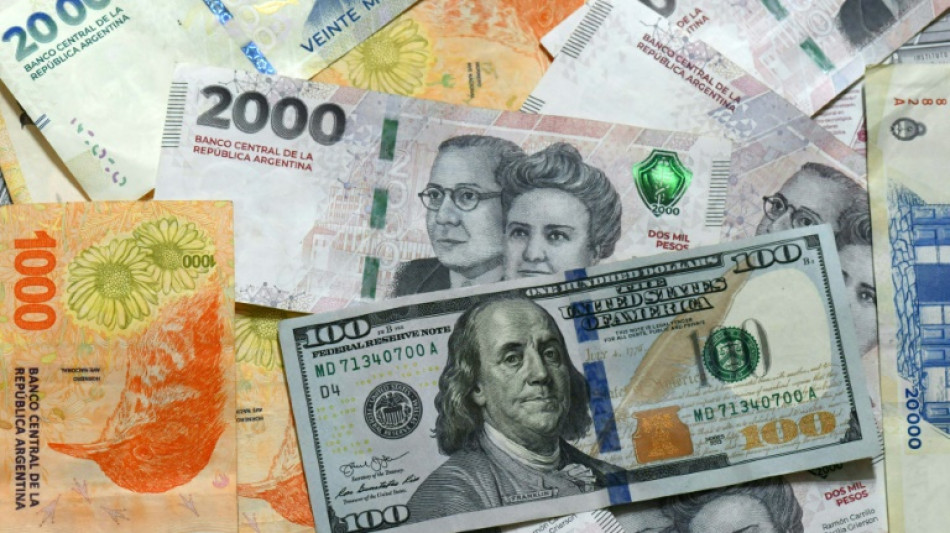
Argentine peso depreciates after exchange controls lifted / Photo: LUIS ROBAYO - AFP

 Kenya's economy faces climate change risks: World Bank
 Meta, Google face jury in landmark US addiction trial

 Some striking NY nurses reach deal with employers
 EU chief backs Made-in-Europe push for 'strategic' sectors

 Iran steps up arrests while remaining positive on US talks
 EU warns Meta it must open up WhatsApp to rival AI chatbots
 Japan's Takaichi may struggle to soothe voters and markets
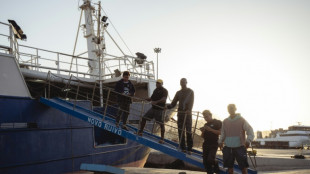
 Arguments to begin in key US social media addiction trial
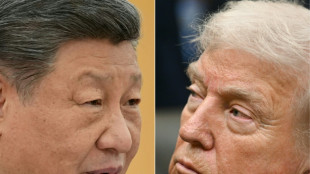
 'Send Help' repeats as N.America box office champ

 UK foreign office to review pay-off to Epstein-linked US envoy
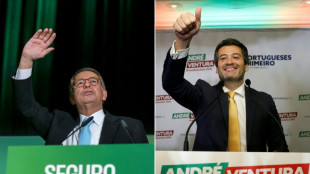
 French police arrest five over crypto-linked magistrate kidnapping
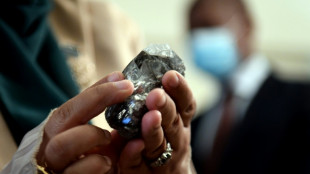
 What's at stake for Indian agriculture in Trump's trade deal?

 Neglected killer: kala-azar disease surges in Kenya

 Spain, Portugal face fresh storms, torrential rain

 Crypto firm accidentally sends $40 bn in bitcoin to users
 Danone expands recall of infant formula batches in Europe
 Why bitcoin is losing its luster after stratospheric rise

 Digital euro delay could leave Europe vulnerable, ECB warns
 Stellantis takes massive hit for 'overestimation' of EV shift

 In Dakar fishing village, surfing entices girls back to school

 As Estonia schools phase out Russian, many families struggle

 Bangladesh Islamist leader seeks power in post-uprising vote
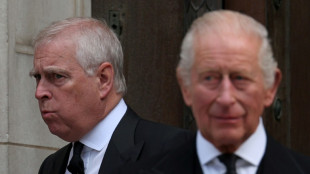 UK royal finances in spotlight after Andrew's downfall
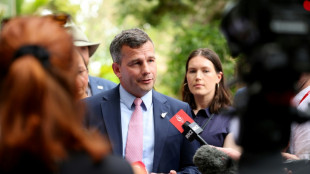 New Zealand deputy PM defends claims colonisation good for Maori

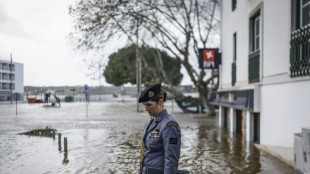 Deadly storm sparks floods in Spain, raises calls to postpone Portugal vote
Argentina's currency dropped 8.4 percent against the US dollar as markets opened in Buenos Aires Monday, after the partial lifting of exchange controls in place for six years.
The rate settled at 1,190 pesos to the dollar, according to state-owned Banco Nacion, well within the floating band of 1,000 to 1,400 pesos to the dollar set by Argentine authorities Friday.
The Central Bank can intervene to keep the rate within the range.
The peso had traded at 1,097 to the dollar Friday, when Buenos Aires announced it would ease exchange controls after being granted a $20 billion loan from the International Monetary Fund.
The World Bank also announced it would pump $12 billion into Argentina's troubled economy, and the Inter-American Development Bank announced plans for a $10 billion deal in a political boon for libertarian President Javier Milei's aggressive efforts to revive the nation's fortunes.
The injection is crucial for replenishing the meager reserves of the Argentine Central Bank, revive growth and tackle inflation -- a key focus for self-styled "anarcho-capitalist" Milei.
"Today, we are freer," the president told El Observador radio Monday.
"Today, there is no longer an 'official dollar', there is only one dollar, which is the market dollar," he added.
In recent years, the government has strictly controlled the peso and access to dollars, leading to a complex plethora of exchange rates.
The IMF deal also saw a $200-per-month limit on Argentine citizens accessing greenbacks lifted after a weeks-long currency crisis that saw the central bank selling about $2 billion to support the peso.
"Expectations need to be tempered on this first day; we are prepared, but this is going to be a process," central bank board member Santiago Furiase told the LN+ channel Monday.
If the peso reaches the upper limit of the band, it would mean a 30 percent depreciation.
US Treasury Secretary Scott Bessent, meanwhile, was to meet Milei in Buenos Aires Monday to "affirm the United States' full support for Argentina's bold economic reforms," a statement from his office said last week.
- 'Waiting to see' -
On Florida street in downtown Buenos Aires, where black market dollars are traditionally exchanged, there was very little activity Monday, contrary to fears of a rush on the safe-haven greenback.
"Everyone is waiting to see what happens," a trader told AFP.
There are fears that loosening exchange controls could fuel inflation, which has dropped under Milei from 211 percent in 2023 to 118 percent last year.
Furiase sought to downplay the inflationary impact, saying "it will take people some time" to get used to the new regime.
There would be "an initial reaction," he predicted, "but then there will be a trajectory towards the floor of the band."
A downward trend in month-on-month inflation that started last September was broken in March when prices rose 3.7 percent compared to 2.4 percent in February.
To cut back on government spending, Milei has fired tens of thousands of public sector workers, halved the number of government ministries and vetoed inflation-aligned pension increases to curb public spending.
Last year, Argentina recorded its first budget surplus in a decade, but the collateral damage has been a loss of purchasing power, jobs, and consumer spending.
Milei promised that by mid-2026, "the problem of inflation in Argentina will be over."
H.Meyer--CPN