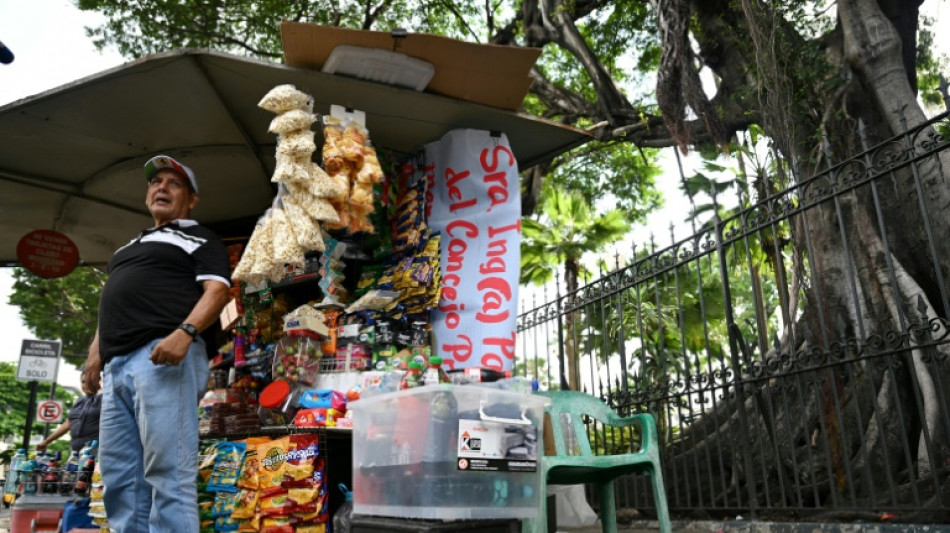
Ecuador's presidential hopefuls face toxic brew of crime, unemployment / Photo: Raul ARBOLEDA - AFP

 Kenya's economy faces climate change risks: World Bank
 Three missing employees of Canadian miner found dead in Mexico
 Epstein accomplice Maxwell seeks Trump clemency before testimony

 Emergency measures kick in as Cuban fuel supplies dwindle under US pressure
 AI chatbots give bad health advice, research finds
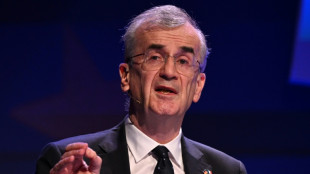 Bank of France governor Francois Villeroy de Galhau to step down in June

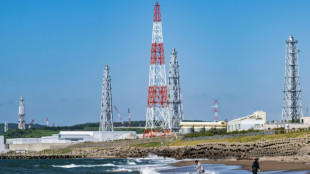 Japan restarts world's biggest nuclear plant again
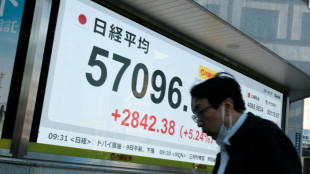
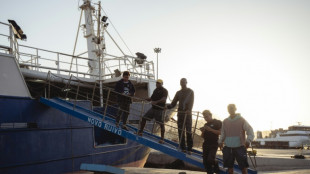 'Want to go home': Indonesian crew abandoned off Africa demand wages
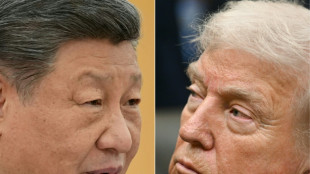 Trump says China's Xi to visit US 'toward the end of the year'

 US astronaut to take her 3-year-old's cuddly rabbit into space

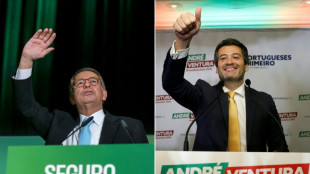 Storm-battered Portugal votes in presidential election run-off

 De Beers sale drags in diamond doldrums
 Pakistan's capital picks concrete over trees, angering residents
 Chile's climate summit chief to lead plastic pollution treaty talks
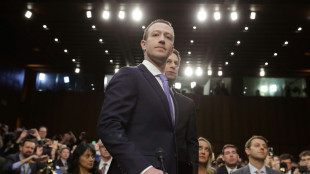
 Opinions of Zuckerberg hang over social media addiction trial jury selection
 Dow surges above 50,000 for first time as US stocks regain mojo

 EU nations back chemical recycling for plastic bottles
 Stocks rebound though tech stocks still suffer
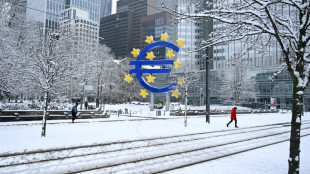
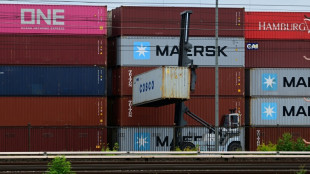 German exports to US plunge as tariffs exact heavy cost

 'Mona's Eyes': how an obscure French art historian swept the globe
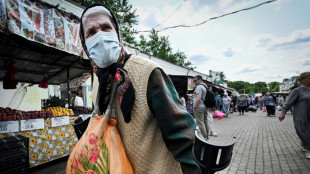 Russian pensioners turn to soup kitchen as war economy stutters
 Toyota names new CEO, hikes profit forecasts
 Japan to restart world's biggest nuclear plant
 Undercover probe finds Australian pubs short-pouring beer
 Amazon shares plunge as AI costs climb
Cartel violence is hollowing out Ecuador's largest city Guayaquil, scaring away tourists, pummelling the economy and leaving whoever wins Sunday's presidential election with a gargantuan problem.
In picturesque and once-bustling Seminary Park, these days iguanas almost outnumber visitors.
"In the afternoon it feels like a cemetery," said Juan Carlos Pesantes who has sold sweets and drinks from a park-side kiosk for 16 years.
"There are no tourists left."
Pesantes has watched as several businesses, including a once popular hotel, close down around him.
In three years, his income has halved and Guayaquil has been transformed from the beating heart of Ecuador's economy into one of the most violent cities in Latin America.
Some months, the country averages more than one murder an hour.
The park is now locked by 18:00 instead of 22:00, just in case any visitors are tempted to hang around after dark.
Against this grim backdrop, the economy fell into recession late last year.
But insecurity is not the only issue ailing Ecuador's economy.
Either incumbent president Daniel Noboa or his leftist rival Luisa Gonzalez will have to reckon with deep social inequality, unemployment, an energy crisis, low rates of investment, groaning public finances and low oil revenues.
Pesantes is "undecided" about which one of the two neck-and-neck rivals to vote for.
"There is no confidence" in them, he said.
- Going out is risky -
Ecuador's woes stem from a boom in Colombian cocaine production and the attractiveness of its ports for shipping the drug to lucrative markets in Asia, Europe and the United States.
The bloodshed has increased as a multitude of gangs, cartels and mafias vie to control routes.
The surge in gang activity has had a direct impact on normal economic activity.
Violence is "affecting consumption. The population has fewer possibilities to go out on the street, to a restaurant, to make a purchase, it's risky," said Alberto Acosta Burneo, an economic analyst at the Spurrier group.
In a poor neighborhood of Guayaquil, Paola Valdivieso, a 54-year-old salon worker, talks about the "fear, the dread" she feels when she has to walk "looking in all directions."
Bananas, one of Ecuador's main export products -- along with oil, cocoa, shrimp, and flowers -- also suffer from organized crime.
"We are victims of drug trafficking," Richard Salazar, director of a banana growers' association tells AFP.
"We are victims of crime and organized crime with extortions," and despite checks, drug traffickers use large shipments of fruit to move cocaine, he explained.
In a depressed economy, unemployment and underemployment affect almost a quarter of the population and one in three are poor, according to official figures.
There is "a lot of informality" in employment, with poorly paid and precarious jobs, Acosta Burneo said.
Septuagenarian retiree Gerardo Ortiz explained he can just about "subsist" on his $280 a month pension as he jokingly pointed to his "car" -- in reality a rusty bicycle leaning against a tree.
With cash tight and security poor, foreign investors that once flocked to dollarized Ecuador have stayed away.
The lack of investment "is reflected in an economy that does not grow as it should," according to Acosta Burneo.
In 2023 and 2024, a lack of investment in the power sector and a serious drought caused power outages that lasted up to 14 hours a day.
- No easy answers -
In response to this multi-headed economic crisis, the presidential candidates propose very different solutions.
"Gonzalez's plan is to bring a return of the strategic state" through infrastructure development and investments in public services, according to Christophe Ventura, a Latin America specialist at France's Institute for International and Strategic Affairs (IRIS).
The leftist candidate advocates for a tax system that imposes a higher burden on the private sector and plans to reduce value-added tax, which Noboa increased from 12 percent to 15 percent.
Noboa has backed tough security measures and traditional neoliberal economic policies -- negotiating a trade agreement with Canada to boost extractive industries.
P.Petrenko--CPN