-
 Kenya's economy faces climate change risks: World Bank
-
Four Al-Fayed survivors told they were trafficking victims

-
 Trump says US support for Japanese yen a 'signal of friendship'
-
Brazil's Lula, 80, says 'in great shape' as he launches fourth term bid

-
 Handbag tosses and high-heeled sprints: Amsterdam celebrates Drag Olympics
-
South Korea records its highest-ever temperature of 42.5C

-
 Baltics transform from Soviet stagnation to startup hubs
-
AI keeps consumer prices high in 'RAMaggedon' chip crunch

-
 Five of Cuba's 15 provinces without power as grid fails again
-
Baltic startups take aim at deterring Russia on NATO's eastern flank
-
 OPEC+ tipped to raise production again but new quotas loom
-
France's largest wildfire in decades 'under control', says minister
-
 South Korea baseball league cancels two games over heatwave
-
Warsaw and Kyiv exhume Volyn victims at centre of diplomatic quarrel
-
 India PM Modi says he forgives protesters who abused him
-
California lifeguards wiped out from extreme weather

-
 US plans steep water cuts for southwest amid Colorado River crisis
-
Amazon surges as US stocks shrug off bond yield worries

-
 Oil giants report blowout profits on war, warn high gas prices could persist
-
Hungary to shut nuclear plant as heatwave hits central Europe
-
 Google launches new satellite image AI tool, alarming researchers
-
Tech-fuelled rally fizzles as oil prices rise
-
 US Fed dissenters call for rate hikes over sustained inflation
-
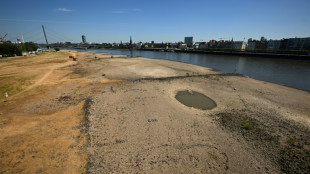
Alarm over climate-linked low level of German waterways
-
 New York sues online prediction markets giant Kalshi
-
Commerzbank agrees to talks with UniCredit after two-year standoff
-
 Profits surge at US oil giant amid Iran war supply shock
-
Fornaro Legal Releases Guidance to Help Businesses Maintain Clear Ownership Records During Growth

-
 Stock markets rally on tech rebound
-
Japan probe made closest-ever asteroid flyby: space agency

-
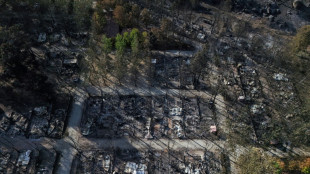 France, Spain assess scorched terrain as new wildfires threaten other regions
-
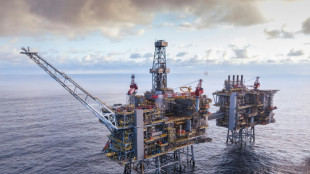
British oil giant BP aims to sell North Sea business
-
 Chipmaker Kioxia reports AI-driven 45-fold surge in quarterly net profit
-
China factory activity slides as leaders seek spending boost

-
 Far right and far left battle for power in polarised Berlin
-
Tech rebound fuels record-breaking rally in South Korean stocks

-
 The last trio: S.Africa's zoo elephants await their fate
-
Cables and cooling bring AI windfall to Indian suppliers

-
 Oil industry sees war windfall but girds for political blowback
-
Anthropic's models gained unauthorized 'real-world' access during testing

-
 Amazon beats expectations with cloud and AI growth
-
Apple tops estimates in CEO Cook's final quarter, but shares fall

-
 Blowout Microsoft results lift US stocks as oil retreats
-
Milei demands expulsion of foreigners expressing 'hate' against Argentina

-
 'Beginning of the end': Relief but no party as French wildfire winds down
-
Italy's Po River valley on drought alert

-
 Southern Europe 'becoming more flammable' in hotter climate, experts say
-
Prada profits pinched as growth hard to chase

-
 Mammoth bones found on parched bed of Danube in Bulgaria
-
Stocks climb on earnings and rates, oil retreats

Is Australia’s Economy Doomed?
The Australian economy, long admired for its resilience and resource-driven growth, faces mounting concerns about its future trajectory. With global economic headwinds, domestic challenges, and structural vulnerabilities coming to the fore, analysts are questioning whether the nation’s prosperity is at risk. While some warn of a potential downturn, others argue that Australia’s adaptability and strengths could steer it clear of doom. A closer look reveals a complex picture of risks and opportunities shaping the country’s economic outlook.
Australia’s economy has historically thrived on its vast natural resources, particularly iron ore, coal, and natural gas, which have fueled exports to Asia, especially China. However, global demand for these commodities is softening. China’s economic slowdown, coupled with its pivot toward green energy, has reduced reliance on Australian coal and iron ore. In 2024, iron ore prices dropped significantly, impacting export revenues. This decline has exposed Australia’s heavy dependence on a single market, raising alarms about the need for diversification. Efforts to expand trade with India and Southeast Asia are underway, but these markets cannot yet offset the loss of Chinese demand.
Domestically, inflation remains a persistent challenge. In 2024, inflation hovered around 3.5%, down from its 2022 peak but still above the Reserve Bank of Australia’s (RBA) 2-3% target. High energy costs and supply chain disruptions have kept prices elevated, squeezing household budgets. Wage growth, while improving, has not kept pace with inflation, eroding real incomes. The RBA’s response—raising interest rates to 4.35%—has cooled the housing market but increased borrowing costs for households and businesses. Mortgage stress is rising, with many Australians grappling with higher repayments amid stagnant wages.
The housing crisis is another sore point. Skyrocketing property prices in cities like Sydney and Melbourne have locked out first-time buyers, fueling inequality. Construction costs have surged due to labor shortages and expensive materials, slowing new housing supply. Government initiatives to boost affordable housing have fallen short, leaving young Australians pessimistic about homeownership. This dynamic not only strains social cohesion but also hampers economic mobility, as wealth concentrates among older, property-owning generations.
Labor market dynamics add further complexity. Unemployment remains low at around 4.1%, a near-historic achievement. However, underemployment is creeping up, and many jobs are in low-wage, insecure sectors like retail and hospitality. Skilled worker shortages in critical industries—healthcare, engineering, and technology—persist, hampering productivity. Immigration, a traditional solution, has resumed post-pandemic, but visa processing delays and global competition for talent limit its impact. Without addressing these gaps, Australia risks stalling its economic engine.
Climate change poses a long-term threat. Extreme weather events—floods, bushfires, and droughts—have become more frequent, disrupting agriculture and infrastructure. The agricultural sector, a key economic pillar, faces declining yields due to unpredictable weather. Transitioning to renewable energy is essential, but progress is uneven. While Australia leads in solar adoption, its reliance on coal for domestic power generation undermines green ambitions. The cost of transitioning to net-zero emissions by 2050 is estimated at hundreds of billions, straining public finances already stretched by aging population costs.
Public debt, while manageable at around 40% of GDP, is another concern. Pandemic-era stimulus and infrastructure spending have driven deficits, with net debt projected to reach $1 trillion by 2027. Tax revenues from mining have cushioned the blow, but their decline could force tough choices—higher taxes or spending cuts—both politically contentious. The government’s focus on renewable energy and defense spending, including the AUKUS nuclear submarine deal, adds pressure to an already tight budget.
Yet, Australia is not without strengths. Its services sector, particularly education and tourism, is rebounding post-COVID, with international students and visitors returning in droves. The tech sector, though small, is growing, with startups in fintech and biotech attracting global investment. Critical minerals like lithium and rare earths offer new export opportunities as the world electrifies. Trade agreements with the UK, EU, and Indo-Pacific nations could open new markets, reducing reliance on China. Moreover, Australia’s stable institutions and skilled workforce provide a foundation for long-term growth.
Still, structural issues loom large. Productivity growth has stagnated, lagging behind global peers. An overreliance on housing and mining for wealth creation has crowded out investment in manufacturing and innovation. The education system, once a global leader, struggles to produce graduates aligned with future needs, particularly in STEM fields. Indigenous economic exclusion remains a persistent drag, with gaps in employment and income barely narrowing.
The question of whether Australia’s economy is doomed hinges on its ability to adapt. Pessimists point to declining commodity prices, rising debt, and climate risks as harbingers of decline. Optimists highlight the nation’s track record of dodging recessions—avoiding one for over three decades until COVID—and its capacity for reform. Policy choices in the coming years will be critical. Boosting productivity, diversifying exports, and investing in skills and renewables could secure prosperity. Failure to act, however, risks a slow slide into stagnation.
For now, Australia stands at a crossroads. Doomed? Not yet. But the warning signs are clear, and complacency is not an option.

Rare Earth Standoff

Tanks in Gaza - Hopes dim?

Poland trusts only hard Power

Cuba's hunger Crisis deepens
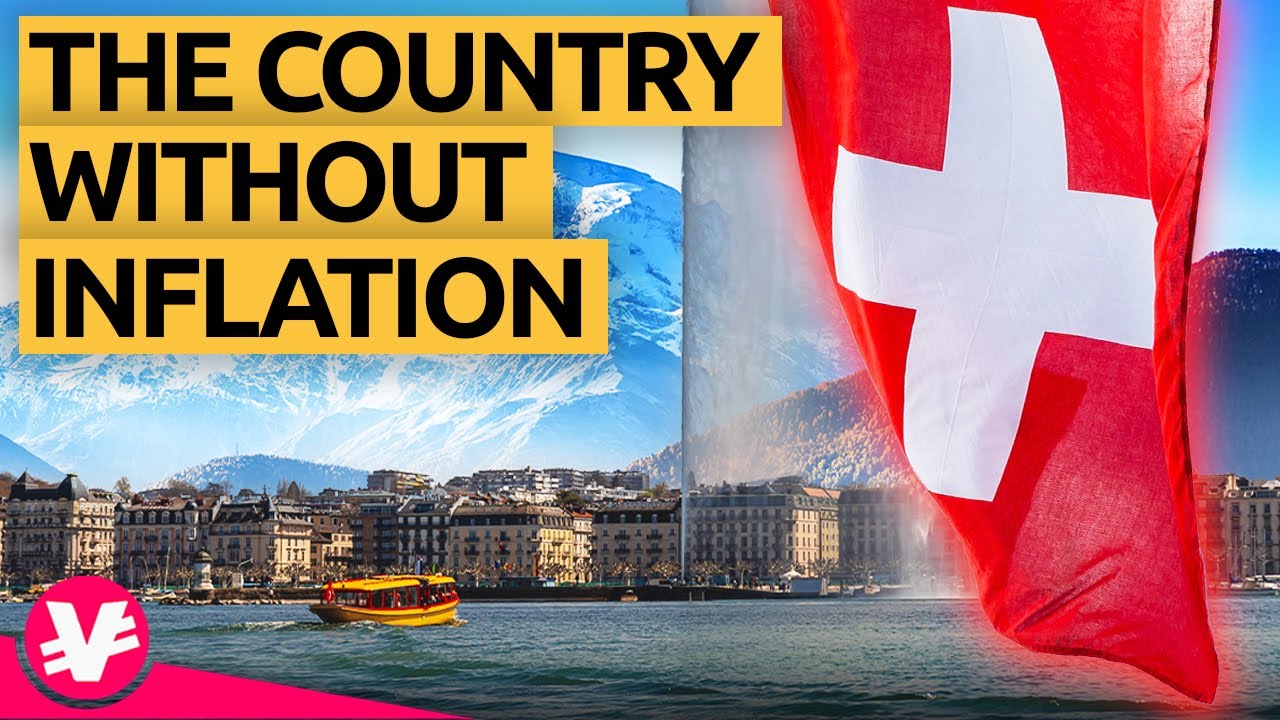
How Swiss Stocks tamed Prices

Russia's Drone ploy in Poland

Why Nepal is burning

Milei suffers crushing Defeat

After Kirk: Speech at Risk

Tel Aviv’s Wartime rally

Tokyo’s Housing playbook