-
 Micron's Taiwan workers say 68 months' bonus not enough
-
'Another arrow to the quiver': World Bank posts record private capital mobilization
-
 Canada's Carney pushes 'new alliance' with EU despite Trump threats
-
Ireland to boycott Eurovision 2027 over Gaza

-
 Beyond Investment Returns: Families Are Measuring Wealth by Freedom, Continuity, and Legacy, According to Nour Private Wealth
-
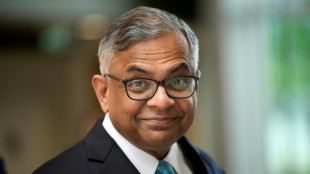
India's Tata Sons reappoints N. Chandrasekaran as chairman
-
 King Charles disputes claims in book by Princess Diana's brother
-
Germany urges EU action against China to defend carmakers

-
 Nepal floods among 'most challenging' disasters: WFP
-
Japan eyes changing prostitution law to punish sex buyers

-
 Kids and social media: what would change under new EU law
-
Modi pitches India as global chipmaking hub

-
 King Charles to call on tech giants for 'reassurances' over AI
-
Ukraine plans record defence spending in 2027

-
 STARPRIME Responds to Diverging Gold Market Demand with AM/PM Fixing and XAU24/7
-
NASA scan discovers new, 'once in a century' Moon crater

-
 Where the US-China tariff row stands ahead of White House summit
-
Most stocks rise as Fed hikes and indicates drive to curb inflation

-
 Indonesia cash-for-photos scheme turns animal hunters into protectors
-
UK-Sudanese author pens book to give children 'African history of Africa'

-
 Bayer to Present How it Rebuilt Global Planning with OMP at Gartner Supply Chain Planning Summit 2026
-
Argentine judge orders suspension of Falklands oil project

-
 US Congress passes sweeping Russia sanctions bill
-
US Fed raises rates to tackle 'too high' inflation, irking Trump

-
 US stocks fall, dollar gains after Fed lifts interest rates
-
Turkey releases 106 protesters, jails more LGBTQ activists

-
 US Fed raises rates to tackle 'too high' inflation in move sure to rile Trump
-
Candidate for UN chief calls for AI regulation akin to nuclear weapons

-
 US Fed raises rates to battle inflation in move likely to rile Trump
-
'We're losing control,' AI pioneer Yoshua Bengio tells AFP

-
 US House faces test on sweeping Russia sanctions bill
-
IR-MED and Dice Technologies Announce collaboration to Evaluate and Advance Pressure-Injury Prevention Platform in Japan

-
 British PM says to make 'difficult decisions' as inflation rises
-
Watts, Pitt, Cruz to light up Spain's top film festival

-
 Global fuel price demos: a round-up
-
Toogood Gold's Table Mountain Sits in the Shadow of a Nevada Gold Rush

-
 Leverate Launches MCP for Traders to Connect AI Assistants With Trading Platforms
-
MEXC July–August Security Report: 38.66M USDT in Risk Funds Intercepted, Futures Insurance Fund Hits 792M USDT

-
 MEXC Launches $1M "Discover Your Wall Street DNA" Campaign to Help Traders Find Their Market Fit
-
Emporio Armani names Dario Vitale new creative director

-
 Stocks edge higher ahead of US Fed rate call
-
EU to ban social media for under 13s, curb access until 15

-
 BASIS.pro Expands On-Chain Infrastructure with XDC Network Partnership and Zypher DAO as Auto Earn Goes Live
-
Wildfires push endangered Sumatran elephants to brink: Indonesian NGO

-
 Pickle-flavoured tart? AI inspires Japan's convenience stores
-
Bank of Japan set to raise rates under pressure from inflation, US

-
 EU chief hosts Canada's Carney in push to 'deepen' alliance
-
EU chief to unveil social media, gaming curbs for under-15s

-
 Meta chief pushes back on AI slowdown calls
-
'Resident Evil' film brings video game's ethos to the big screen

EU: Overcoming barriers to equality
The need to overcome barriers to equality in the EU and worldwide!
In a globalised world characterised by progress and innovation, equality remains one of the greatest challenges of our time. Despite numerous efforts, significant barriers that disadvantage people based on their gender, origin, religion, sexual orientation or other characteristics remain. It is essential for society in the European Union and worldwide to overcome these barriers to ensure a fairer and more prosperous future.
Equality as a cornerstone of democracy
Equality for all is a fundamental principle of democratic societies. It forms the basis for social justice and respect for human rights. In the European Union, equality is not only a moral imperative, but also enshrined in law. Nevertheless, statistics show that discrimination and inequality persist. For example, women in the EU earn on average 14.1% less than men, and minorities often face prejudice and disadvantage.
The economic benefits of equality
Overcoming barriers to equality is not only an ethical obligation, but also brings significant economic benefits. Studies have shown that countries with higher equality tend to have stronger economic growth. An inclusive labour market, where all talents are used regardless of gender or origin, leads to more innovation and productivity. In addition, equality reduces the costs arising from social tensions and inequalities.
Promoting social cohesion and peace
Inequality can lead to social unrest, conflict and instability. By removing barriers to equality, social cohesion is strengthened. A society in which all members have equal rights and opportunities is more resilient to extremism and intolerance. This is particularly important in a world facing global challenges such as migration, climate change and pandemics.
Identify and remove barriers
The barriers to equality are many and often deeply rooted in cultural norms and institutional structures. They include, among other things:
- Discriminatory laws: Some countries still have laws that disadvantage certain groups.
- Prejudices and stereotypes: Social attitudes can lead to people being discriminated against because of their gender, skin colour or other characteristics.
- Access to education and resources: Unequal access to education, healthcare and financial resources widens the gap between different social groups.
- Violence and harassment: Physical and psychological violence against certain groups is a significant barrier to equality.
Measures to promote equality - Overcoming these barriers requires a coordinated effort at various levels
- Political reforms: Governments need to enact and enforce laws that prohibit discrimination and promote equality.
- Education and awareness: Educational programmes can reduce prejudice and create awareness of the importance of equality.
- Economic empowerment: Initiatives to support disadvantaged groups in accessing the labour market and financial resources are crucial.
- International cooperation: Global challenges require global solutions. The EU can take a leading role here and share best practices.
Conclusion:
Overcoming obstacles to equality is of central importance for a just, peaceful and prosperous society. It is the shared responsibility of governments, institutions, companies and each individual to actively participate in this change. Only through consistent efforts can we create a world in which all people enjoy the same opportunities and rights – for the benefit of the European Union and the entire global community.
Germany's Anti-Woke Tide
Iran's Nuclear Ambitions
Israel's Covert Nuclear Rise
Spain defies NATO's 5% goal
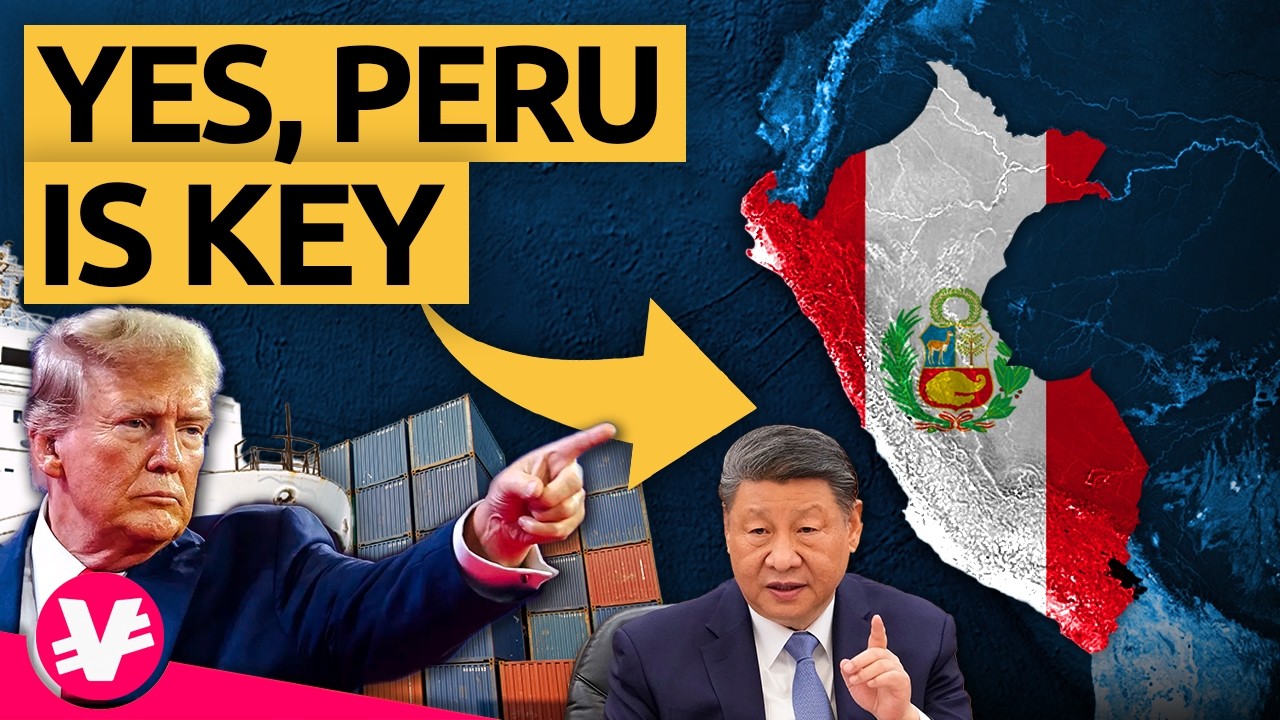
Geopolitics: Peru's balancing act
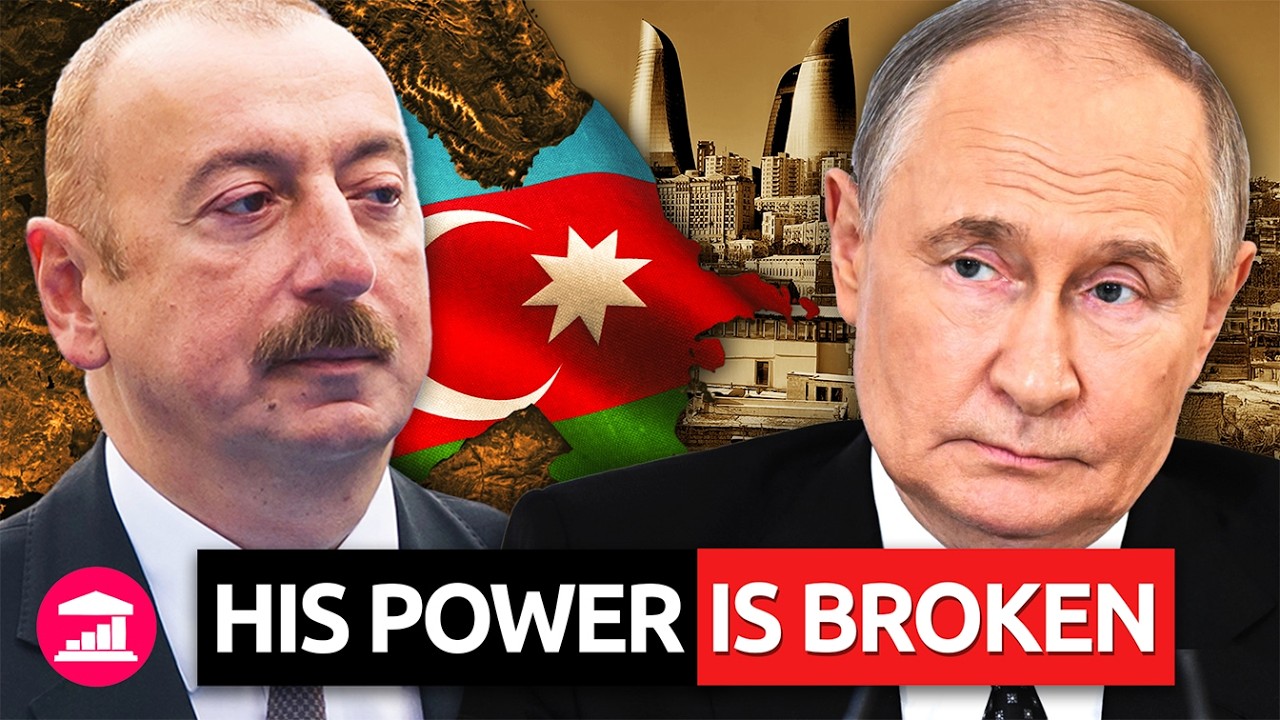
Azerbaijan defies Russia

France's debt is growing
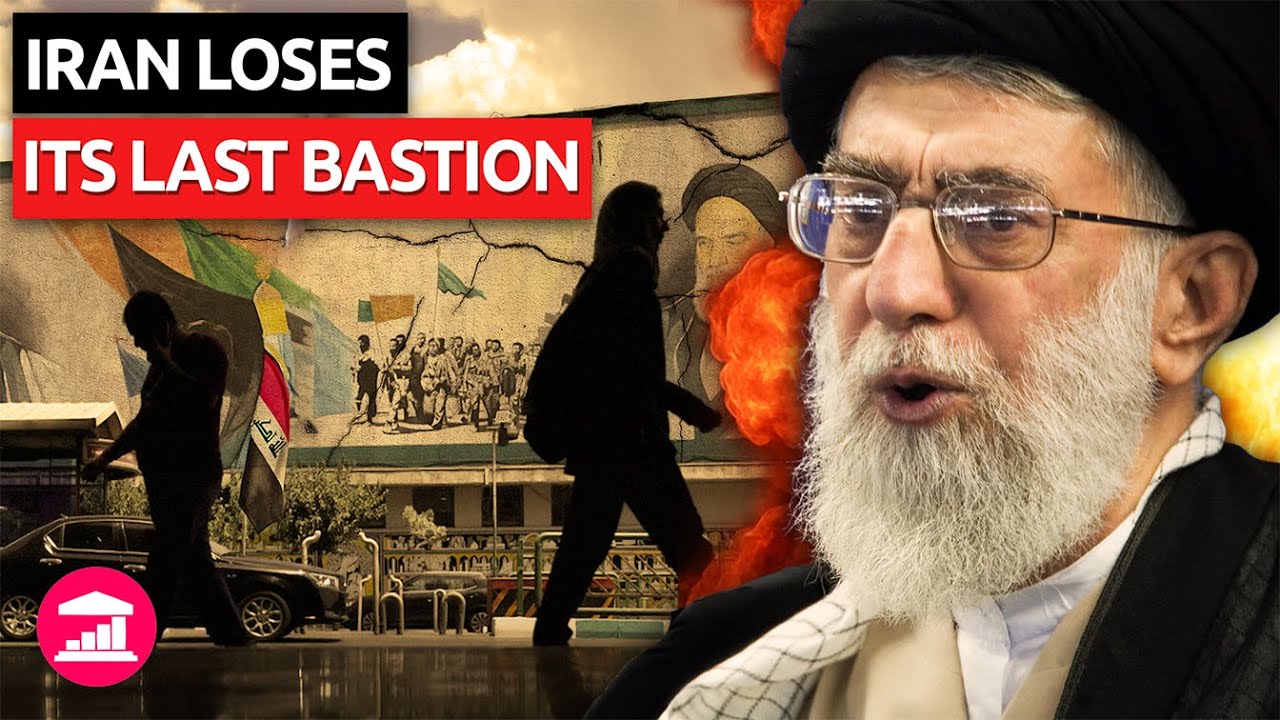
Iraq vs. Iran – The end?
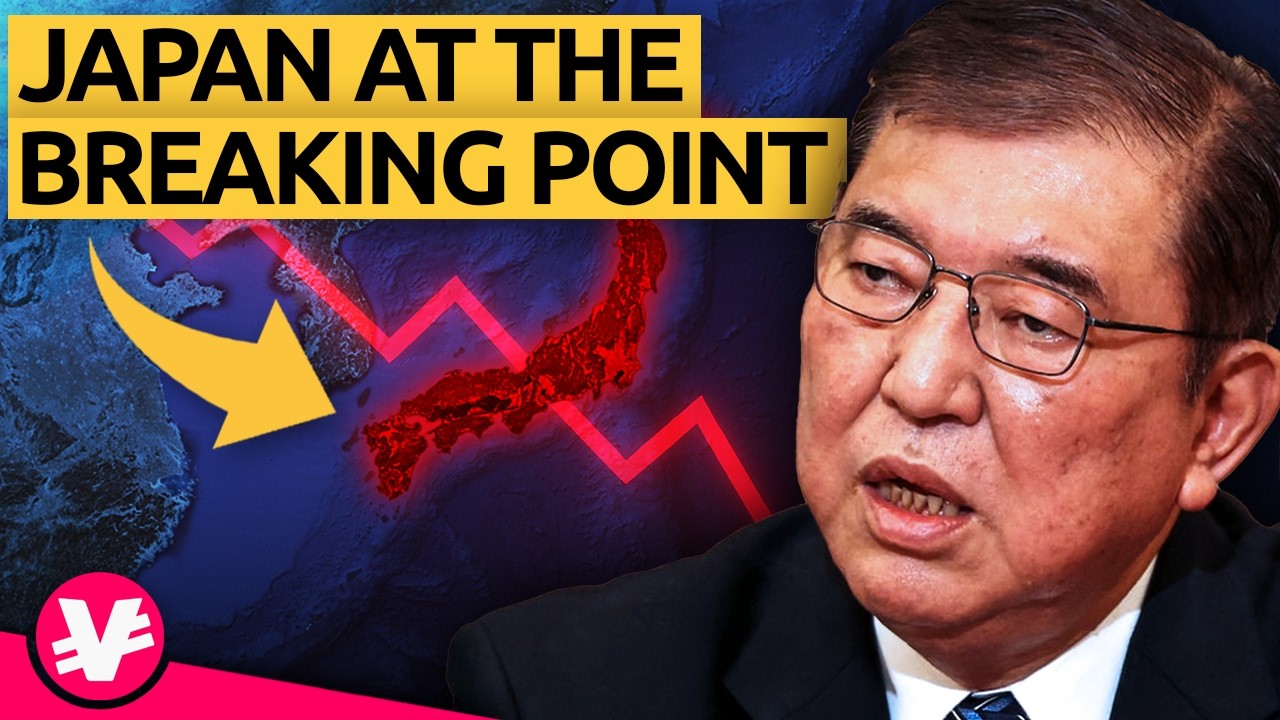
Japan's financial precipice

Trump vs. EU: A good deal?

Seven-Day Sanctions Showdown