-
 Kenya's economy faces climate change risks: World Bank
-
Four Al-Fayed survivors told they were trafficking victims

-
 Trump says US support for Japanese yen a 'signal of friendship'
-
Brazil's Lula, 80, says 'in great shape' as he launches fourth term bid

-
 Handbag tosses and high-heeled sprints: Amsterdam celebrates Drag Olympics
-
South Korea records its highest-ever temperature of 42.5C

-
 Baltics transform from Soviet stagnation to startup hubs
-
AI keeps consumer prices high in 'RAMaggedon' chip crunch
-
 Five of Cuba's 15 provinces without power as grid fails again
-
Baltic startups take aim at deterring Russia on NATO's eastern flank
-
 OPEC+ tipped to raise production again but new quotas loom
-
France's largest wildfire in decades 'under control', says minister

-
 South Korea baseball league cancels two games over heatwave
-
Warsaw and Kyiv exhume Volyn victims at centre of diplomatic quarrel

-
 India PM Modi says he forgives protesters who abused him
-
California lifeguards wiped out from extreme weather

-
 US plans steep water cuts for southwest amid Colorado River crisis
-
Amazon surges as US stocks shrug off bond yield worries

-
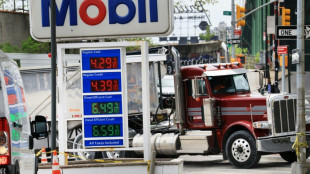 Oil giants report blowout profits on war, warn high gas prices could persist
-
Hungary to shut nuclear plant as heatwave hits central Europe

-
 Google launches new satellite image AI tool, alarming researchers
-
Tech-fuelled rally fizzles as oil prices rise
-
 US Fed dissenters call for rate hikes over sustained inflation
-
Alarm over climate-linked low level of German waterways

-
 New York sues online prediction markets giant Kalshi
-
Commerzbank agrees to talks with UniCredit after two-year standoff

-
 Profits surge at US oil giant amid Iran war supply shock
-
Fornaro Legal Releases Guidance to Help Businesses Maintain Clear Ownership Records During Growth

-
 Stock markets rally on tech rebound
-
Japan probe made closest-ever asteroid flyby: space agency

-
 France, Spain assess scorched terrain as new wildfires threaten other regions
-
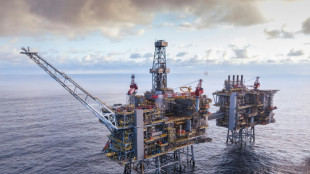
British oil giant BP aims to sell North Sea business
-
 Chipmaker Kioxia reports AI-driven 45-fold surge in quarterly net profit
-
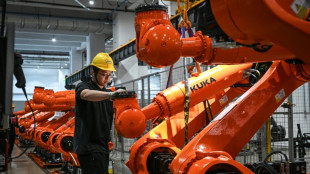
China factory activity slides as leaders seek spending boost
-
 Far right and far left battle for power in polarised Berlin
-
Tech rebound fuels record-breaking rally in South Korean stocks

-
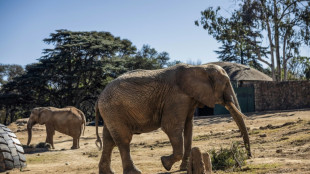 The last trio: S.Africa's zoo elephants await their fate
-
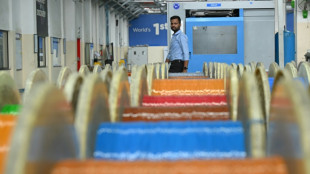
Cables and cooling bring AI windfall to Indian suppliers
-
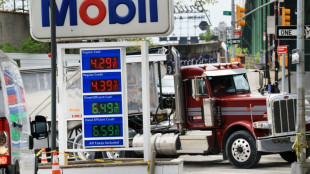 Oil industry sees war windfall but girds for political blowback
-
Anthropic's models gained unauthorized 'real-world' access during testing

-
 Amazon beats expectations with cloud and AI growth
-
Apple tops estimates in CEO Cook's final quarter, but shares fall

-
 Blowout Microsoft results lift US stocks as oil retreats
-
Milei demands expulsion of foreigners expressing 'hate' against Argentina

-
 'Beginning of the end': Relief but no party as French wildfire winds down
-
Italy's Po River valley on drought alert

-
 Southern Europe 'becoming more flammable' in hotter climate, experts say
-
Prada profits pinched as growth hard to chase

-
 Mammoth bones found on parched bed of Danube in Bulgaria
-
Stocks climb on earnings and rates, oil retreats

China Strikes Back: Tariff War
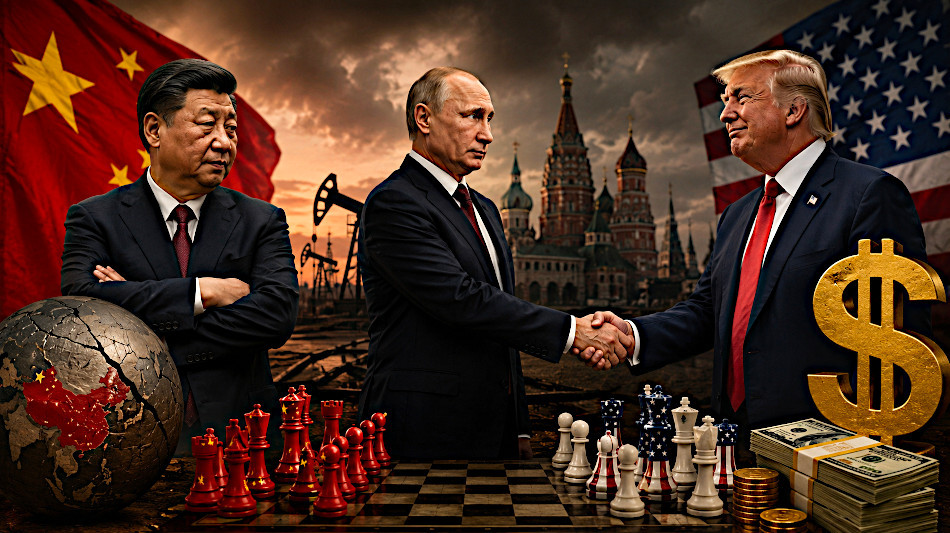
The 45th and now 47th President of the United States, Donald Trump (78), who is increasingly distinguishing himself as an autocrat in his political actions, has triggered a new escalation in the trade war between the two economic powers with his announcement of high tariffs on imports from China.
In a bold and unyielding response to US President Donald Trump’s aggressive tariff policies, China has unleashed a powerful countermeasure: a hefty 34% tax on all US goods entering its borders. This sharp escalation in the trade conflict signals China’s readiness to play hardball, pushing back against Trump’s economic offensive with equal force. The move is poised to send shockwaves through the global economy, with far-reaching consequences for both nations.
The stakes are high. In the United States, the ripple effects of China’s retaliatory tariffs could soon be felt on store shelves, as imported goods become scarcer and more expensive. Empty shelves may become a stark reality for American consumers, putting Trump in an increasingly defensive position. His tariff strategy, once wielded as a hammer to reshape global trade, now faces a formidable counterstrike that threatens to undermine its effectiveness.
Beyond the immediate impact, the broader outlook is grim. Experts caution that this tit-for-tat trade war could tip the world into a global recession, with economic damage rippling across continents. Businesses on both sides are bracing for uncertainty, as supply chains falter and costs rise. For China, the tariffs are a calculated gambit—a show of strength meant to protect its economic interests while challenging Trump’s dominance in this high-stakes showdown.
As the trade war intensifies, the world watches closely. China’s hardline stance marks a pivotal moment, one that could redefine the economic landscape for years to come.

Australia limits migration
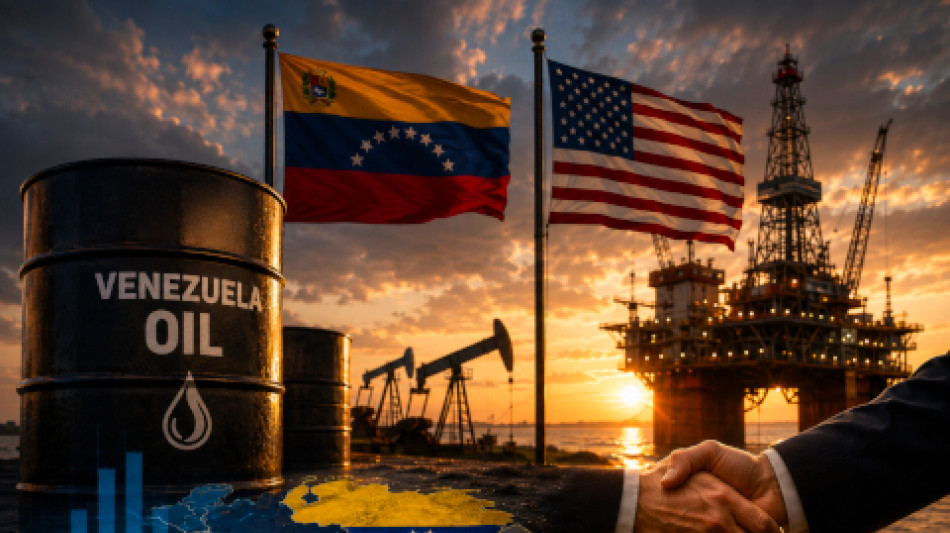
Venezuela’s Oil Return

Sweden’s welfare reckoning
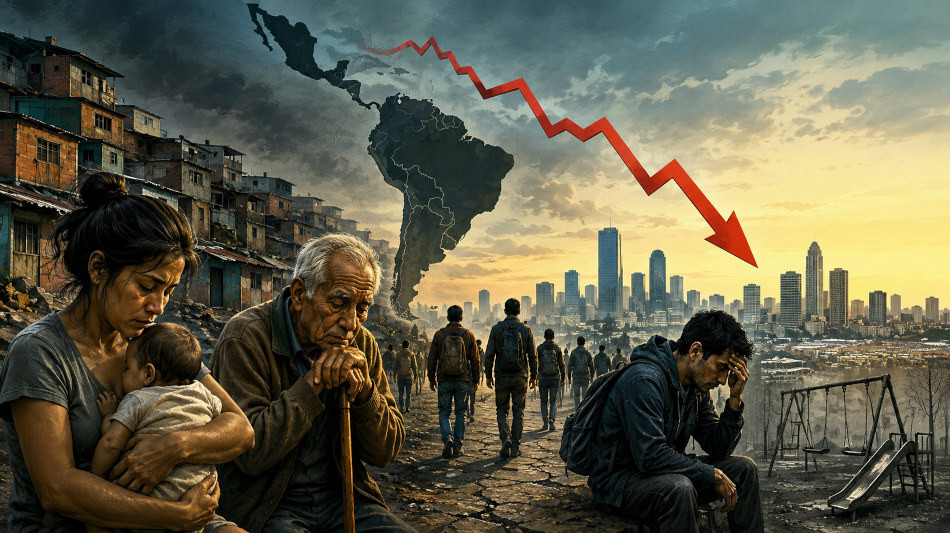
Latin America’s age trap

Putin's peace threshold
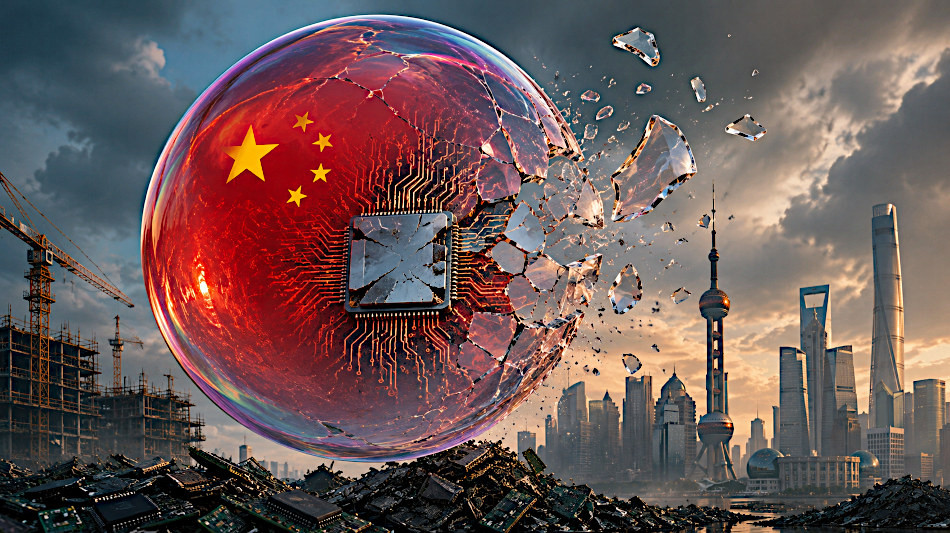
China's silicon reckoning

Saudi Arabia’s Costly Mirage
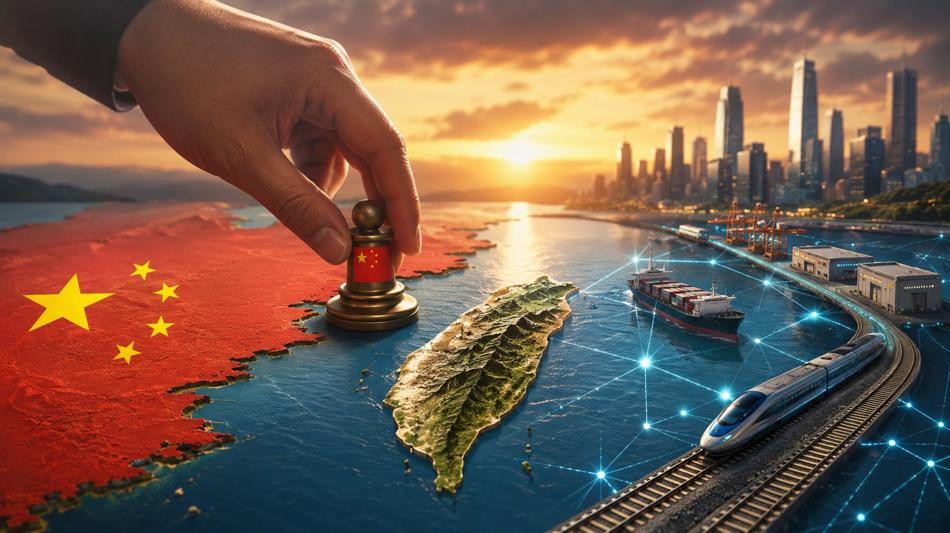
Beijing's new Taiwan playbook
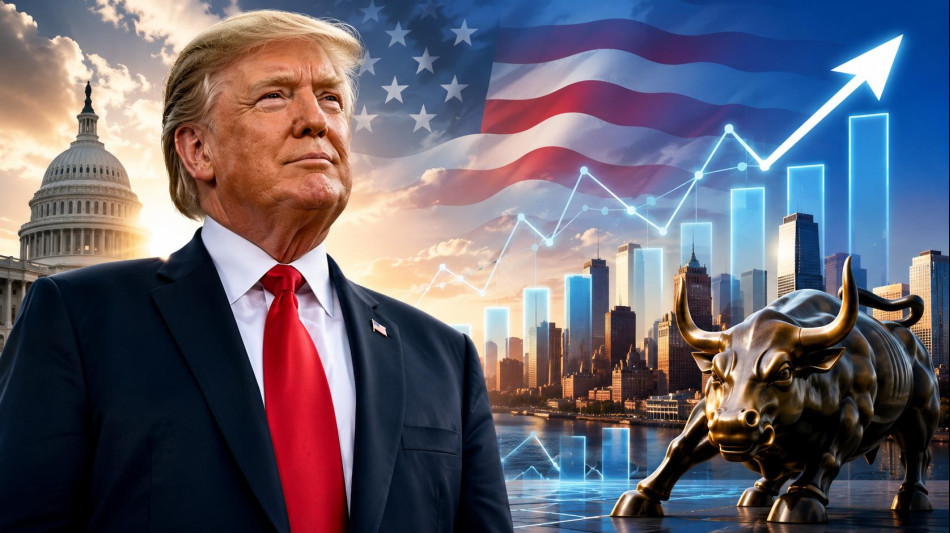
Unexpected economic twist
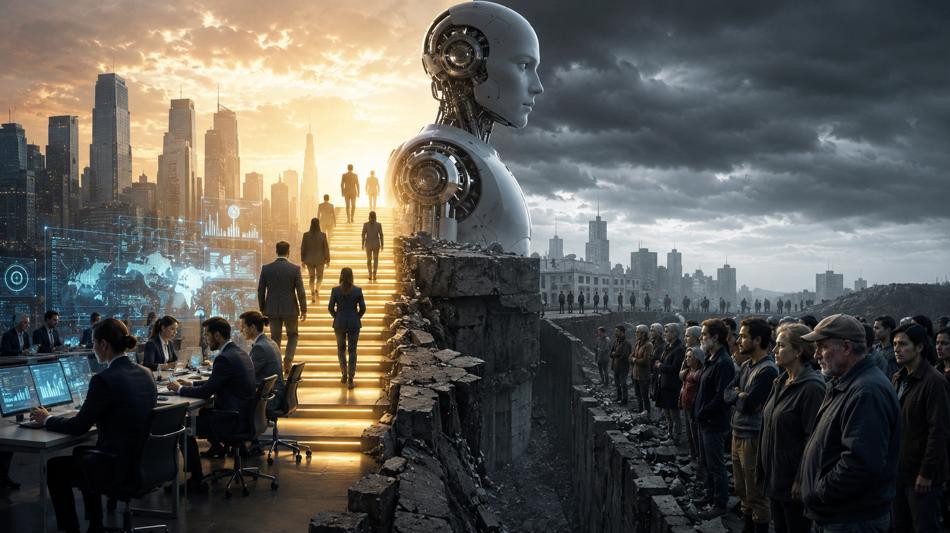
AI and the Future of Wealth

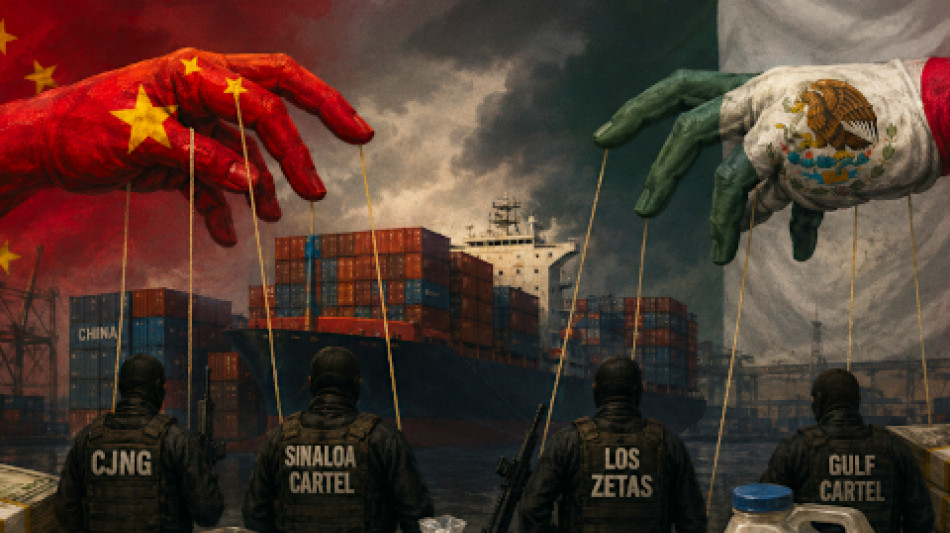
Fentanyl trade unravels