-
 Kenya's economy faces climate change risks: World Bank
-
Four Al-Fayed survivors told they were trafficking victims

-
 Trump says US support for Japanese yen a 'signal of friendship'
-
Brazil's Lula, 80, says 'in great shape' as he launches fourth term bid

-
 Handbag tosses and high-heeled sprints: Amsterdam celebrates Drag Olympics
-
South Korea records its highest-ever temperature of 42.5C
-
 Baltics transform from Soviet stagnation to startup hubs
-
AI keeps consumer prices high in 'RAMaggedon' chip crunch
-
 Five of Cuba's 15 provinces without power as grid fails again
-
Baltic startups take aim at deterring Russia on NATO's eastern flank
-
 OPEC+ tipped to raise production again but new quotas loom
-
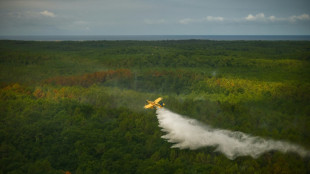
France's largest wildfire in decades 'under control', says minister
-
 South Korea baseball league cancels two games over heatwave
-
Warsaw and Kyiv exhume Volyn victims at centre of diplomatic quarrel
-
 India PM Modi says he forgives protesters who abused him
-
California lifeguards wiped out from extreme weather

-
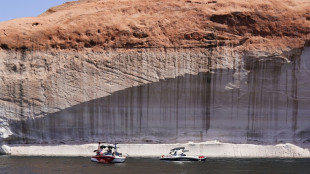 US plans steep water cuts for southwest amid Colorado River crisis
-
Amazon surges as US stocks shrug off bond yield worries

-
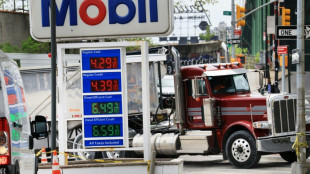 Oil giants report blowout profits on war, warn high gas prices could persist
-
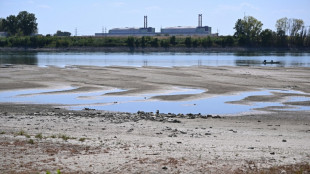
Hungary to shut nuclear plant as heatwave hits central Europe
-
 Google launches new satellite image AI tool, alarming researchers
-
Tech-fuelled rally fizzles as oil prices rise
-
 US Fed dissenters call for rate hikes over sustained inflation
-
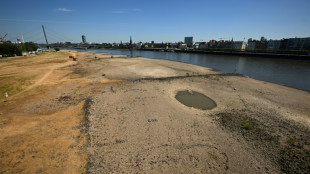
Alarm over climate-linked low level of German waterways
-
 New York sues online prediction markets giant Kalshi
-
Commerzbank agrees to talks with UniCredit after two-year standoff
-
 Profits surge at US oil giant amid Iran war supply shock
-
Fornaro Legal Releases Guidance to Help Businesses Maintain Clear Ownership Records During Growth

-
 Stock markets rally on tech rebound
-
Japan probe made closest-ever asteroid flyby: space agency

-
 France, Spain assess scorched terrain as new wildfires threaten other regions
-
British oil giant BP aims to sell North Sea business
-
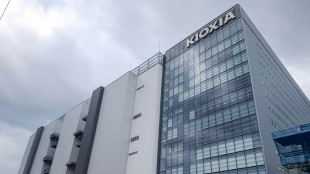 Chipmaker Kioxia reports AI-driven 45-fold surge in quarterly net profit
-
China factory activity slides as leaders seek spending boost

-
 Far right and far left battle for power in polarised Berlin
-
Tech rebound fuels record-breaking rally in South Korean stocks

-
 The last trio: S.Africa's zoo elephants await their fate
-
Cables and cooling bring AI windfall to Indian suppliers

-
 Oil industry sees war windfall but girds for political blowback
-
Anthropic's models gained unauthorized 'real-world' access during testing

-
 Amazon beats expectations with cloud and AI growth
-
Apple tops estimates in CEO Cook's final quarter, but shares fall

-
 Blowout Microsoft results lift US stocks as oil retreats
-
Milei demands expulsion of foreigners expressing 'hate' against Argentina

-
 'Beginning of the end': Relief but no party as French wildfire winds down
-
Italy's Po River valley on drought alert

-
 Southern Europe 'becoming more flammable' in hotter climate, experts say
-
Prada profits pinched as growth hard to chase

-
 Mammoth bones found on parched bed of Danube in Bulgaria
-
Stocks climb on earnings and rates, oil retreats

Slovenia’s Economic Triumph
Slovenia, a nation of just over two million, has quietly carved out a remarkable economic success story, defying expectations for a small, post-Yugoslav state. Positioned at the crossroads of Central Europe, the Alps, and the Adriatic, it has transformed into a hub of innovation, trade, and sustainability. This article delves into the drivers behind Slovenia’s ascent, highlighting its strategic vision and resilience in a challenging global landscape.
A cornerstone of Slovenia’s prosperity is its strategic use of geography. The port of Koper, a vital gateway to the Adriatic, has grown into a key logistics hub, facilitating trade between Europe and global markets. Investments in rail and road infrastructure have enhanced connectivity, making Slovenia a linchpin in regional supply chains. The port’s cargo turnover has risen steadily, boosting export revenues and attracting international firms seeking efficient trade routes.
Economic indicators reflect Slovenia’s steady progress. In 2024, GDP grew by 1.6%, a modest yet stable figure amid global volatility. Projections for 2025 estimate growth at 2.1%, fuelled by exports and domestic demand. Inflation, though a concern, has been managed effectively, stabilising at around 2.5%. Unemployment, at a low 4.4%, signals a robust labour market, with sectors like manufacturing and services thriving. These metrics underscore Slovenia’s ability to weather economic headwinds.
Innovation drives much of Slovenia’s success. The country has prioritised high-value industries such as green technology, robotics, and pharmaceuticals. Its “Green. Creative. Smart.” initiative reflects a commitment to sustainability and ingenuity. Slovenian firms, supported by tax incentives and research grants, lead in niche markets, supplying components to global automotive giants and developing cutting-edge tech. Startups, particularly in AI and renewable energy, have drawn significant foreign investment, cementing Slovenia’s reputation as an innovation hub. Education underpins this progress.
Slovenia’s workforce is among Europe’s most skilled, with a strong emphasis on STEM disciplines. Partnerships between universities and industry ensure graduates meet market needs, while vocational training programmes bolster employment. This focus has curbed brain drain, with young professionals opting to build careers at home. The result is a dynamic talent pool powering economic growth.
Prudent governance has been equally critical. Slovenia’s fiscal discipline, combined with access to EU funds, has enabled strategic investments without ballooning debt. Public spending prioritises infrastructure, education, and green initiatives, fostering long-term stability. Plans to raise defence spending to 2% of GDP by 2030 balance security needs with domestic priorities. Economic sentiment improved by 1.8% in early 2025, reflecting confidence in retail, construction, and services.
Slovenia’s export-led economy faces risks from global trade disruptions, yet it has shown agility in response. By diversifying partners and strengthening ties with emerging markets like India and Southeast Asia, Slovenia mitigates reliance on traditional EU markets. Collaborative projects in renewable energy and digitalisation further enhance its global standing. Social cohesion sets Slovenia apart. Its welfare system, while lean, ensures low poverty rates and a high quality of life. Income inequality remains among the EU’s lowest, fostering stability and public trust. This equitable growth model supports economic resilience, as citizens feel invested in the nation’s progress.
Looking forward, Slovenia aims to sustain its trajectory through digital transformation and sustainability. Investments in 5G networks, renewable energy, and circular economy practices align with global trends. Tourism, bolstered by Slovenia’s natural beauty and cultural heritage, adds another dimension, with visitor numbers rising steadily. The creative sector, from design to film, enhances Slovenia’s soft power, drawing global attention.
Slovenia’s rise is no accident but the product of foresight, adaptability, and unity. Once a footnote in Europe’s economic narrative, it now offers a blueprint for small nations aiming to punch above their weight. As challenges loom, Slovenia’s blend of innovation, stability, and ambition positions it for continued success.
Australia limits migration
Venezuela’s Oil Return
Sweden’s welfare reckoning
Latin America’s age trap
Putin's peace threshold
China's silicon reckoning
Saudi Arabia’s Costly Mirage
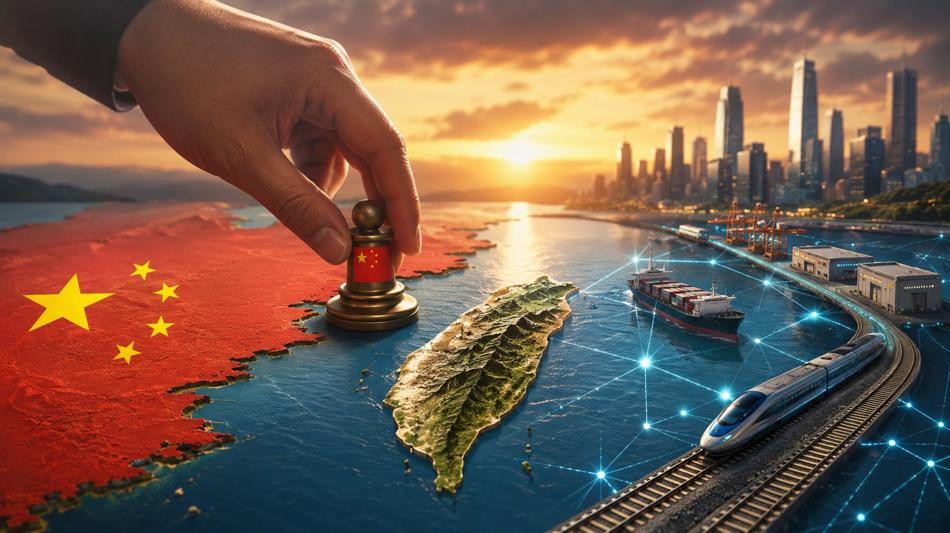
Beijing's new Taiwan playbook

Unexpected economic twist

AI and the Future of Wealth

Fentanyl trade unravels