-
 Micron's Taiwan workers say 68 months' bonus not enough
-
'Another arrow to the quiver': World Bank posts record private capital mobilization

-
 Canada's Carney pushes 'new alliance' with EU despite Trump threats
-
Ireland to boycott Eurovision 2027 over Gaza

-
 Beyond Investment Returns: Families Are Measuring Wealth by Freedom, Continuity, and Legacy, According to Nour Private Wealth
-
India's Tata Sons reappoints N. Chandrasekaran as chairman

-
 King Charles disputes claims in book by Princess Diana's brother
-
Germany urges EU action against China to defend carmakers

-
 Nepal floods among 'most challenging' disasters: WFP
-
Japan eyes changing prostitution law to punish sex buyers

-
 Kids and social media: what would change under new EU law
-
Modi pitches India as global chipmaking hub

-
 King Charles to call on tech giants for 'reassurances' over AI
-
Ukraine plans record defence spending in 2027

-
 STARPRIME Responds to Diverging Gold Market Demand with AM/PM Fixing and XAU24/7
-
NASA scan discovers new, 'once in a century' Moon crater

-
 Where the US-China tariff row stands ahead of White House summit
-
Most stocks rise as Fed hikes and indicates drive to curb inflation

-
 Indonesia cash-for-photos scheme turns animal hunters into protectors
-
UK-Sudanese author pens book to give children 'African history of Africa'

-
 Bayer to Present How it Rebuilt Global Planning with OMP at Gartner Supply Chain Planning Summit 2026
-
Argentine judge orders suspension of Falklands oil project

-
 US Congress passes sweeping Russia sanctions bill
-
US Fed raises rates to tackle 'too high' inflation, irking Trump

-
 US stocks fall, dollar gains after Fed lifts interest rates
-
Turkey releases 106 protesters, jails more LGBTQ activists

-
 US Fed raises rates to tackle 'too high' inflation in move sure to rile Trump
-
Candidate for UN chief calls for AI regulation akin to nuclear weapons

-
 US Fed raises rates to battle inflation in move likely to rile Trump
-
'We're losing control,' AI pioneer Yoshua Bengio tells AFP

-
 US House faces test on sweeping Russia sanctions bill
-
IR-MED and Dice Technologies Announce collaboration to Evaluate and Advance Pressure-Injury Prevention Platform in Japan

-
 British PM says to make 'difficult decisions' as inflation rises
-
Watts, Pitt, Cruz to light up Spain's top film festival

-
 Global fuel price demos: a round-up
-
Toogood Gold's Table Mountain Sits in the Shadow of a Nevada Gold Rush

-
 Leverate Launches MCP for Traders to Connect AI Assistants With Trading Platforms
-
MEXC July–August Security Report: 38.66M USDT in Risk Funds Intercepted, Futures Insurance Fund Hits 792M USDT

-
 MEXC Launches $1M "Discover Your Wall Street DNA" Campaign to Help Traders Find Their Market Fit
-
Emporio Armani names Dario Vitale new creative director

-
 Stocks edge higher ahead of US Fed rate call
-
EU to ban social media for under 13s, curb access until 15

-
 BASIS.pro Expands On-Chain Infrastructure with XDC Network Partnership and Zypher DAO as Auto Earn Goes Live
-
Wildfires push endangered Sumatran elephants to brink: Indonesian NGO

-
 Pickle-flavoured tart? AI inspires Japan's convenience stores
-
Bank of Japan set to raise rates under pressure from inflation, US

-
 EU chief hosts Canada's Carney in push to 'deepen' alliance
-
EU chief to unveil social media, gaming curbs for under-15s

-
 Meta chief pushes back on AI slowdown calls
-
'Resident Evil' film brings video game's ethos to the big screen

Trap laid, Ukraine walked in
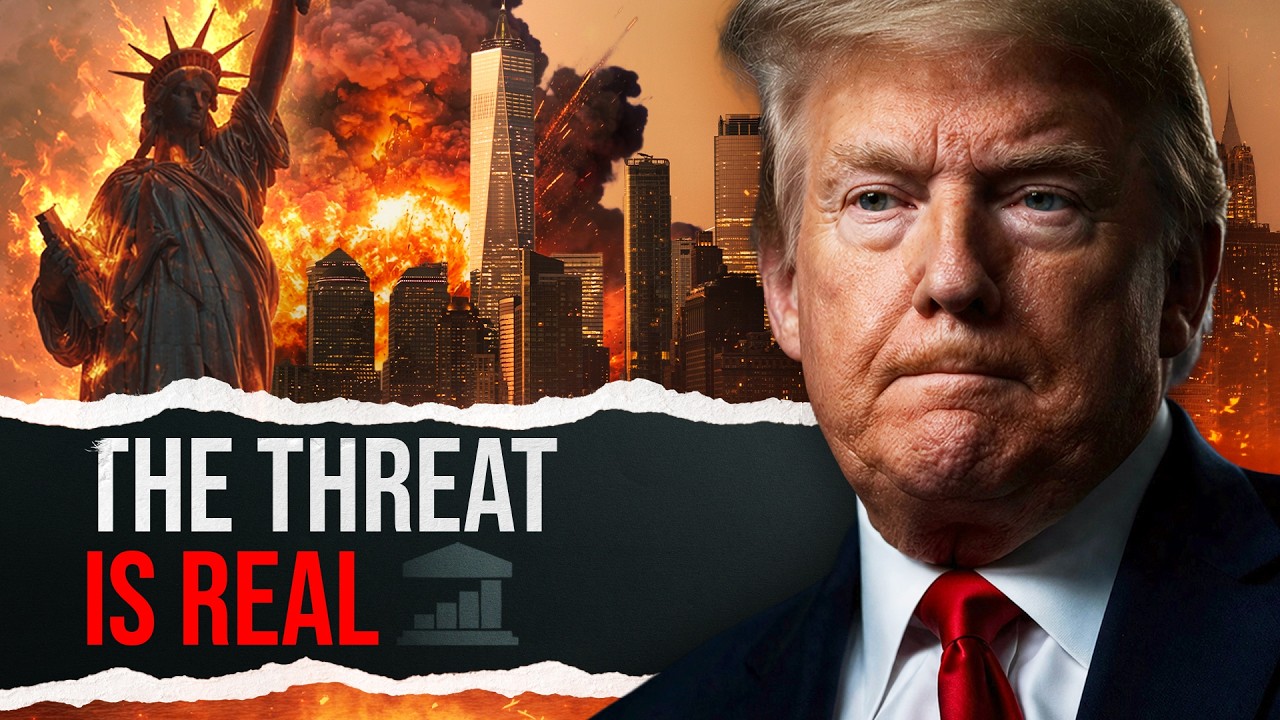
The geopolitical landscape surrounding the war in Ukraine has shifted dramatically in recent weeks, leading many to argue that a trap was set — and Ukraine stepped straight into it. As pressure mounts around a new peace initiative promoted by former 45. and now 47. U.S. President Donald J. Trump, the debate is intensifying over whether Ukraine has been cornered and whether European nations share a shameful responsibility for the current predicament.
The proposed peace framework circulating since late November presents a stark reality: Ukraine would be required to make painful territorial concessions, scale back parts of its military capabilities, and abandon long-term ambitions for deeper integration with Western defence structures. The rationale behind the proposal is packaged as a “pragmatic” path to ending the war, yet the implications would cement strategic gains for Russia and fundamentally weaken Ukraine’s sovereignty.
European governments reacted with unease and internal division. Publicly, they emphasise the need for adjustments and caution against any agreement that reshapes borders under pressure. Privately, however, several capitals fear being left alone to shoulder long-term financial and military support should the United States pull back. Some European leaders recognise that approval of the plan could stabilise parts of the continent in the short term, yet at the cost of undermining the very principles they have defended since the war began.
For Kyiv, the situation is even more delicate. Ukraine’s leadership has signalled willingness to examine the proposal, but throughout the country the sentiment is overwhelmingly hostile. Soldiers, civil society, and much of the population view the plan as nothing short of a surrender. After years of devastating losses, the idea of codifying territorial fragmentation and weakening national defence is seen as a direct threat to the nation’s survival.
To many observers, the timing and structure of the proposal appear intentional. By presenting a plan that heavily favours Russian interests while portraying it as the “only realistic path forward,” Trump effectively places Ukraine under immense diplomatic pressure. If Kyiv rejects the plan, it risks losing political support; if it accepts, it risks losing the country it has fought to preserve.
This dynamic also places Europe in an uncomfortable spotlight. While European nations have repeatedly voiced support for Ukraine, the reality is that they have long relied on U.S. leadership for strategic direction, intelligence coordination, and military supplies. Critics argue that Europe’s inability to develop a cohesive and independent defence posture has left Ukraine vulnerable to geopolitical gambits. Now, as the United States reshapes its stance, Europe must confront its shortcomings.
The central question is no longer whether Ukraine wants to resist, but whether it still can — and whether Europe will meaningfully help. A peace agreement that weakens Ukraine risks redefining the security architecture of an entire continent, emboldening aggressive revisionism, and eroding confidence in the West’s commitment to defending democratic nations under threat.
Whether this moment becomes the beginning of Ukraine’s political end or a turning point in Europe’s strategic awakening depends on the choices made now. What remains clear is that Ukraine cannot afford to be treated as a bargaining chip — and Europe cannot pretend that its own security is separate from Ukraine’s fate.
Germany under Weidel
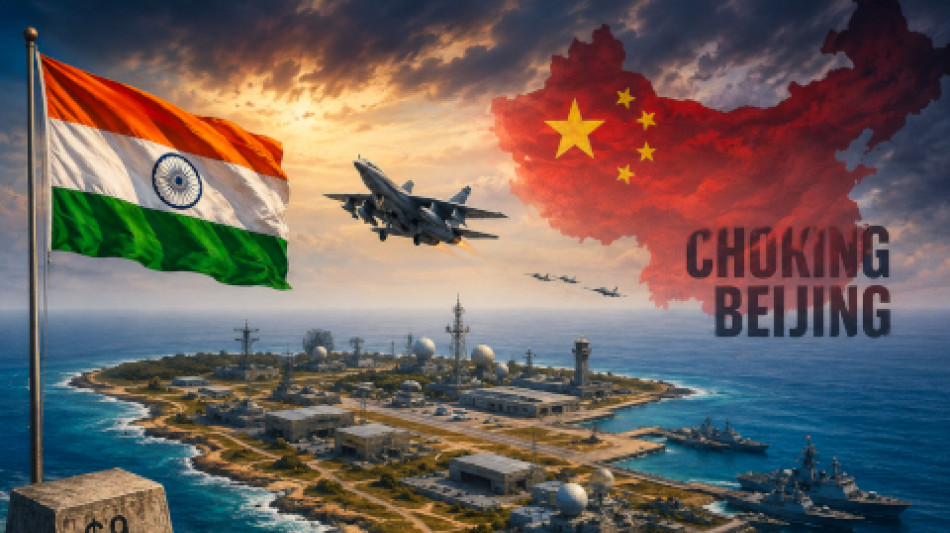
India's island choke point
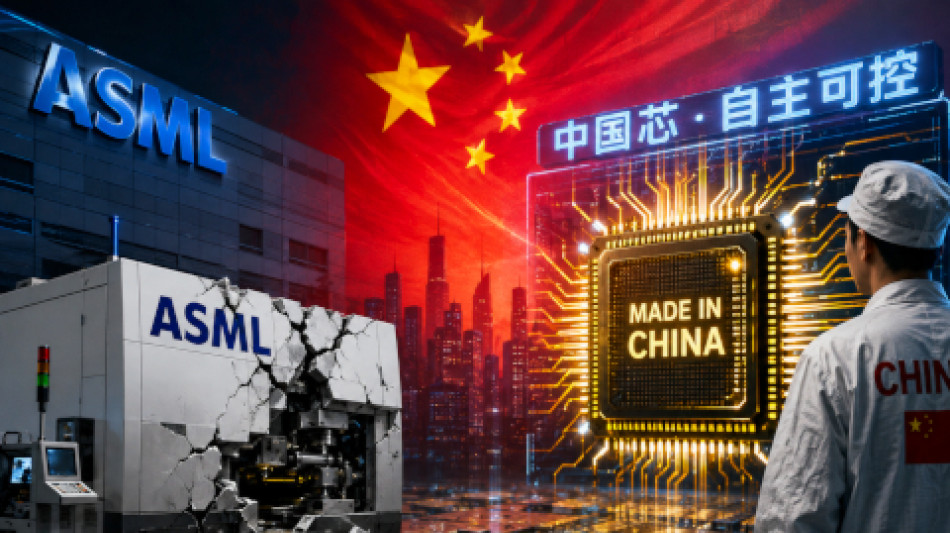
China’s lithography leap
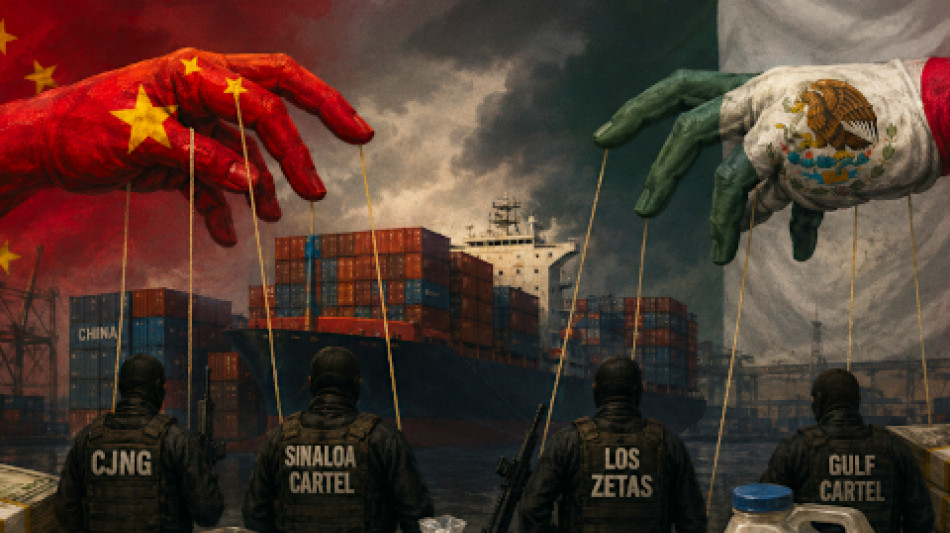
China’s cartel lifeline
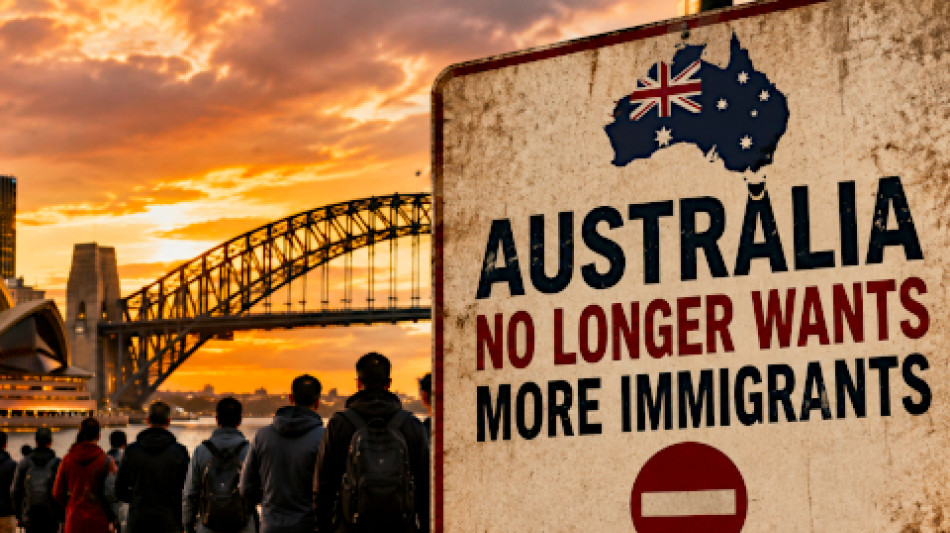
Australia limits migration
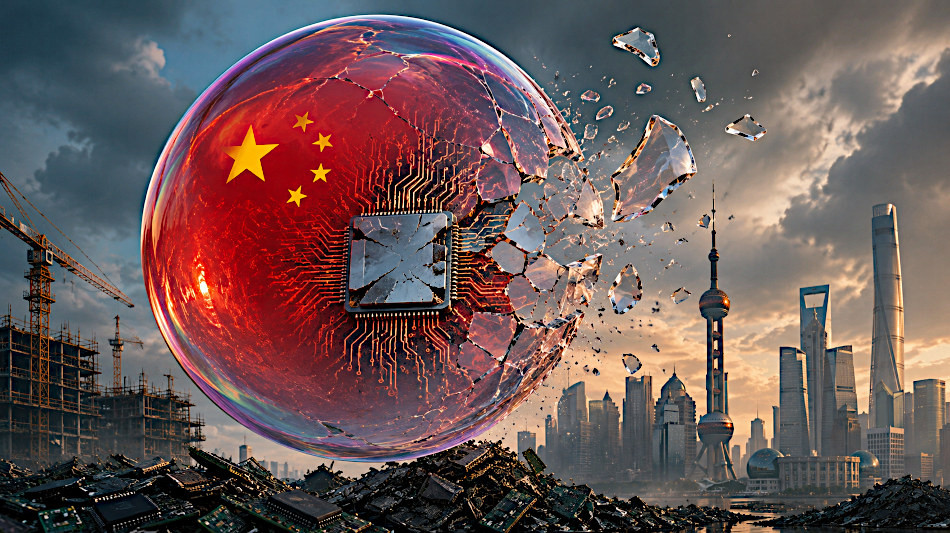
China's silicon reckoning
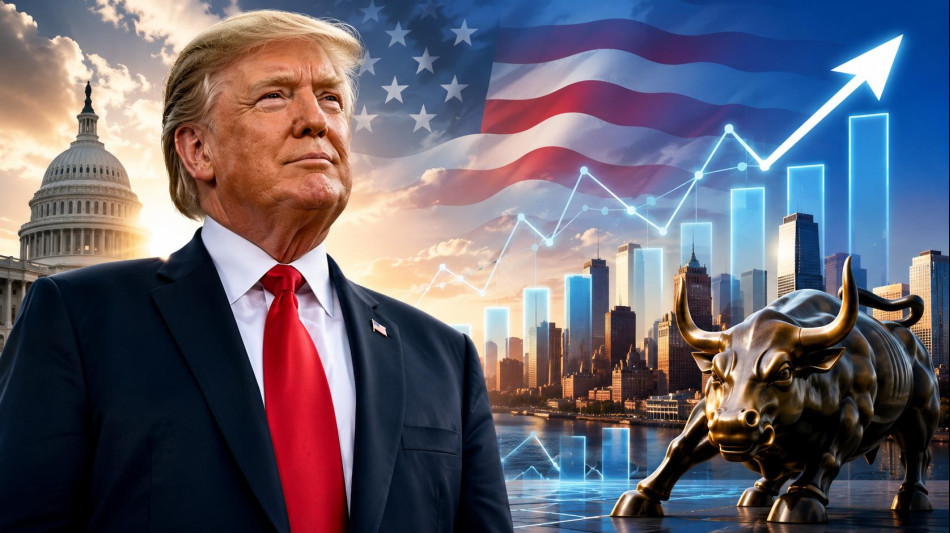
Unexpected economic twist
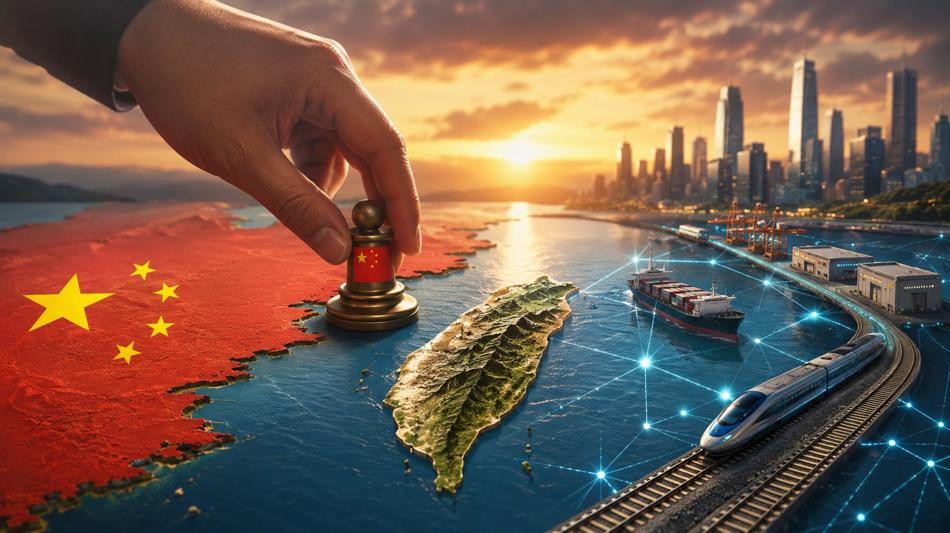
Beijing's new Taiwan playbook

Saudi Arabia’s Costly Mirage
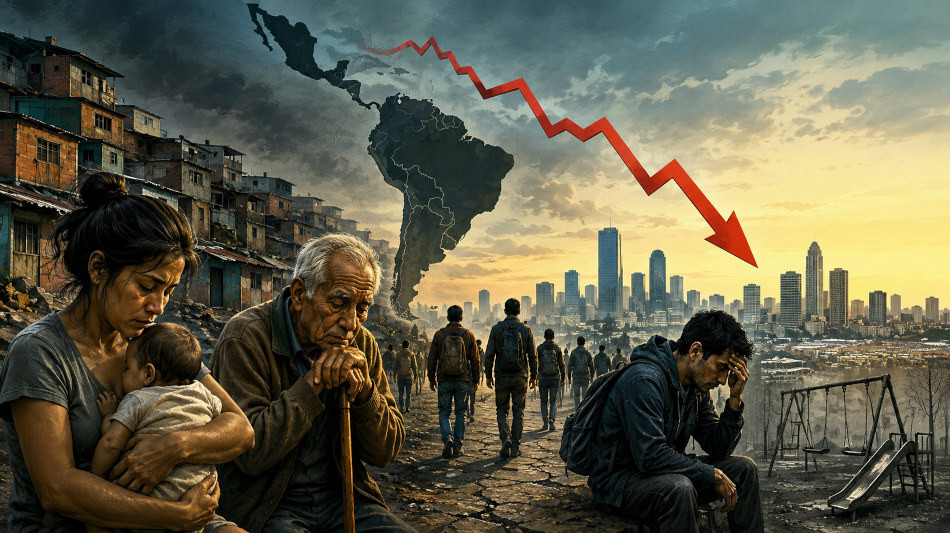
Latin America’s age trap
Sweden’s welfare reckoning