-
 Princess Diana's brother makes new explosive claims against Charles
-
GM delivers first components for US interceptor missiles
-
 Trump admin overhauls key protection for endangered species
-
Travis Scott and Keith Richards feature on GTA VI soundtrack

-
 Mbappe draws political fire over Ceuta t-shirt controversy
-
King Charles warns tech bosses of 'existential dangers' of AI

-
 Third malaria death in Germany from outbreak tied to Frankfurt airport
-
French fishermen block ports over petrol prices

-
 AtlasClear Holdings Reports Preliminary Fiscal 2026 Revenue of Approximately $20.1 Million, Up 85%; Revenue Plus Interest Income of Approximately $21.9 Million
-
Micron's Taiwan workers say 68 months' bonus not enough

-
 'Another arrow to the quiver': World Bank posts record private capital mobilization
-
Canada's Carney pushes 'new alliance' with EU despite Trump threats
-
 Ireland to boycott Eurovision 2027 over Gaza
-
Beyond Investment Returns: Families Are Measuring Wealth by Freedom, Continuity, and Legacy, According to Nour Private Wealth

-
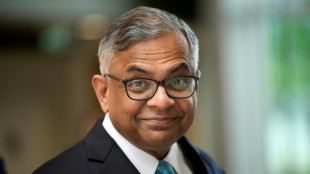 India's Tata Sons reappoints N. Chandrasekaran as chairman
-
King Charles disputes claims in book by Princess Diana's brother

-
 Germany urges EU action against China to defend carmakers
-
Nepal floods among 'most challenging' disasters: WFP

-
 Japan eyes changing prostitution law to punish sex buyers
-
Kids and social media: what would change under new EU law

-
 Modi pitches India as global chipmaking hub
-
King Charles to call on tech giants for 'reassurances' over AI

-
 Ukraine plans record defence spending in 2027
-
STARPRIME Responds to Diverging Gold Market Demand with AM/PM Fixing and XAU24/7

-
 NASA scan discovers new, 'once in a century' Moon crater
-
Where the US-China tariff row stands ahead of White House summit

-
 Most stocks rise as Fed hikes and indicates drive to curb inflation
-
Indonesia cash-for-photos scheme turns animal hunters into protectors

-
 UK-Sudanese author pens book to give children 'African history of Africa'
-
Bayer to Present How it Rebuilt Global Planning with OMP at Gartner Supply Chain Planning Summit 2026

-
 Argentine judge orders suspension of Falklands oil project
-
US Congress passes sweeping Russia sanctions bill

-
 US Fed raises rates to tackle 'too high' inflation, irking Trump
-
US stocks fall, dollar gains after Fed lifts interest rates

-
 Turkey releases 106 protesters, jails more LGBTQ activists
-
US Fed raises rates to tackle 'too high' inflation in move sure to rile Trump

-
 Candidate for UN chief calls for AI regulation akin to nuclear weapons
-
US Fed raises rates to battle inflation in move likely to rile Trump

-
 'We're losing control,' AI pioneer Yoshua Bengio tells AFP
-
US House faces test on sweeping Russia sanctions bill

-
 IR-MED and Dice Technologies Announce collaboration to Evaluate and Advance Pressure-Injury Prevention Platform in Japan
-
British PM says to make 'difficult decisions' as inflation rises

-
 Watts, Pitt, Cruz to light up Spain's top film festival
-
Global fuel price demos: a round-up

-
 Toogood Gold's Table Mountain Sits in the Shadow of a Nevada Gold Rush
-
Leverate Launches MCP for Traders to Connect AI Assistants With Trading Platforms

-
 MEXC July–August Security Report: 38.66M USDT in Risk Funds Intercepted, Futures Insurance Fund Hits 792M USDT
-
MEXC Launches $1M "Discover Your Wall Street DNA" Campaign to Help Traders Find Their Market Fit

-
 Emporio Armani names Dario Vitale new creative director
-
Stocks edge higher ahead of US Fed rate call

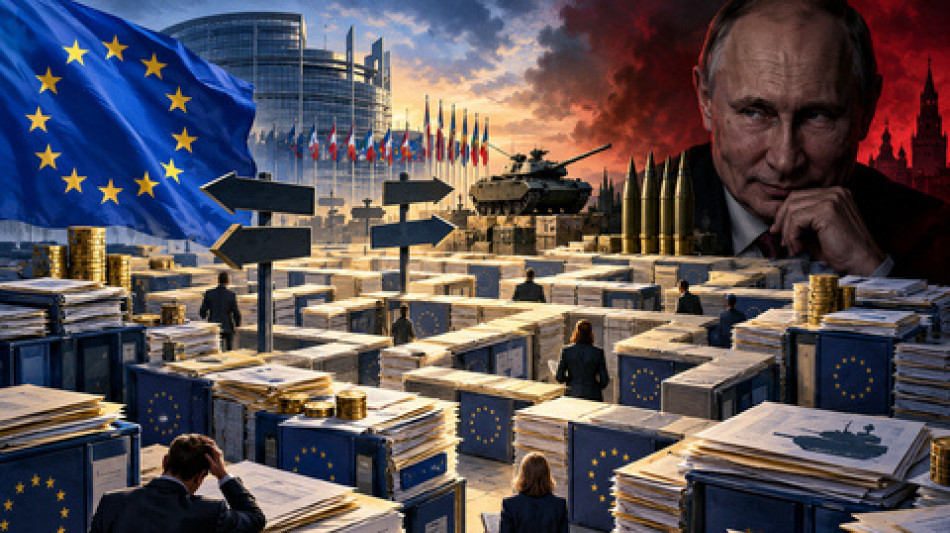
Spain defies NATO's 5% goal
Spain has recently taken a bold stance by rejecting the North Atlantic Treaty Organization's (NATO) proposal to increase defense spending to 5% of its Gross Domestic Product (GDP). This decision has ignited debates across the international community, questioning Spain's dedication to NATO and the alliance's future defense strategies.
Background of the proposal
At a recent NATO summit held in The Hague, member states deliberated a significant proposal to elevate defense spending to 5% of GDP by 2035. Championed notably by the United States under President Donald Trump, this increase aimed to counter escalating security threats, particularly from Russia. However, Spain, under the leadership of Prime Minister Pedro Sánchez, has firmly opposed this target, highlighting a clash of priorities within the alliance.
Reasons for Spain's rebellion
Spain's economy faces challenges with a high debt-to-GDP ratio and persistent budget deficits. Committing to a 5% GDP defense spending target would necessitate severe cuts in critical sectors such as healthcare, education, and social welfare. Prime Minister Sánchez has labeled this potential shift as "unreasonable and counterproductive," stressing that it could destabilize Spain's economic recovery and social cohesion.
Strategic perspective
Geographically distant from Russia's borders, Spain perceives less immediate threat compared to Eastern European NATO members. This distance influences Spain's defense priorities, leading Sánchez to argue that Spain can fulfill NATO's capability requirements efficiently without adhering to the proposed spending hike. He advocates for resource allocation based on strategic necessity rather than a uniform percentage.
Reactions and repercussions
Spain's stance has elicited mixed responses. Within NATO, some member states and U.S. officials have voiced concerns, suggesting that this could undermine the alliance's collective defense strength and signal vulnerability to adversaries. President Trump has even hinted at retaliatory measures, such as imposing higher tariffs on Spanish exports.
Conversely, Spain stands firm, proposing a more tailored approach to defense contributions. Sánchez suggests that NATO should assess member contributions based on specific defense needs and capabilities, promoting fairness and flexibility across the alliance.
Broader implications
This rebellion underscores a growing rift within NATO regarding defense spending priorities. It challenges the alliance to reconsider how it measures and distributes defense responsibilities, balancing collective security with the diverse economic realities of its members. Spain's position could prompt a broader dialogue on adapting NATO's strategies to contemporary global security demands.
Conclusion of all
Spain's rejection of NATO's 5% GDP defense spending target reflects a complex interplay of economic limitations, strategic considerations, and political resolve. While it has strained relations within the alliance, it also opens the door for NATO to refine its approach, ensuring resilience and unity in addressing future threats.

Demographic Collapse Crisis

Germany's Anti-Woke Tide
Iran's Nuclear Ambitions
Israel's Covert Nuclear Rise
Geopolitics: Peru's balancing act
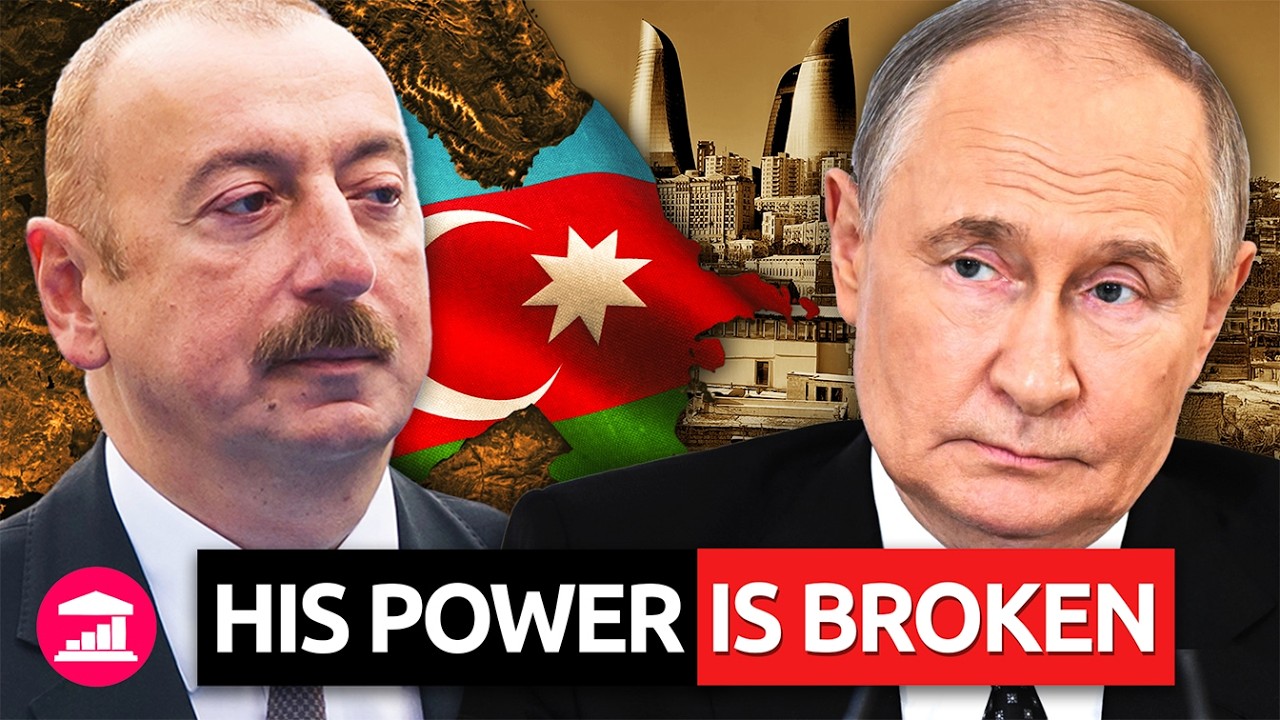
Azerbaijan defies Russia

France's debt is growing
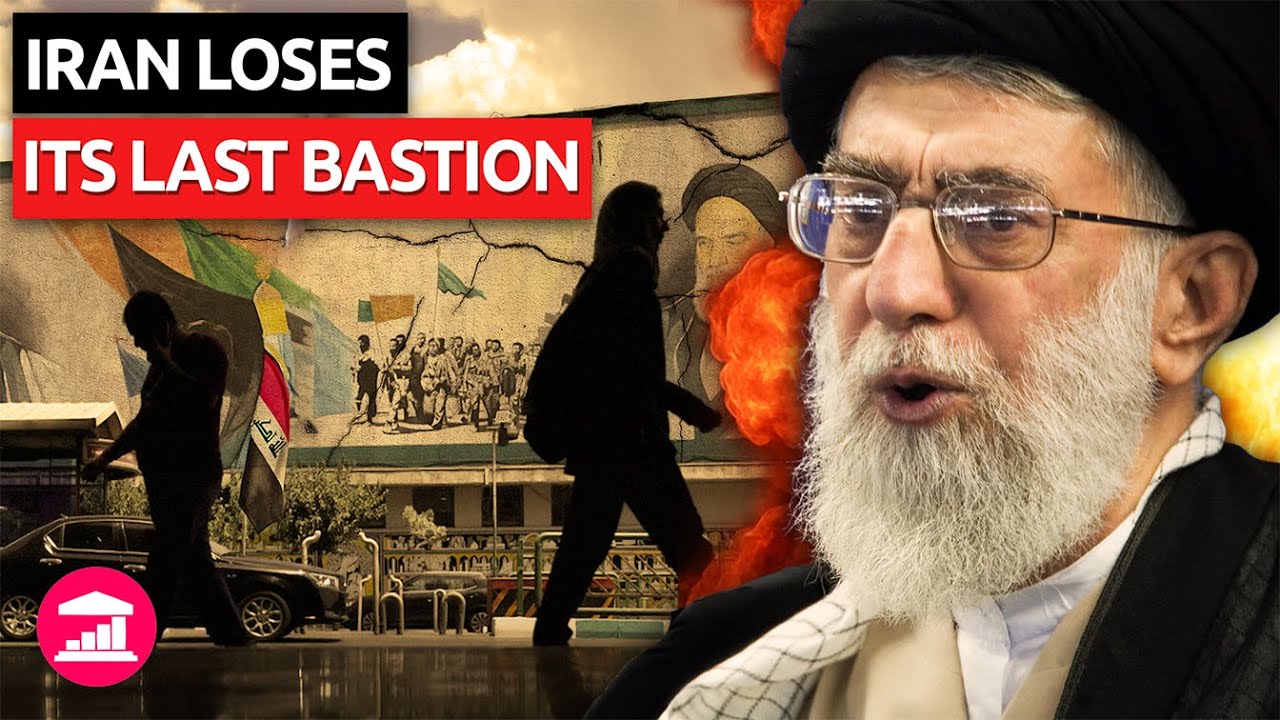
Iraq vs. Iran – The end?
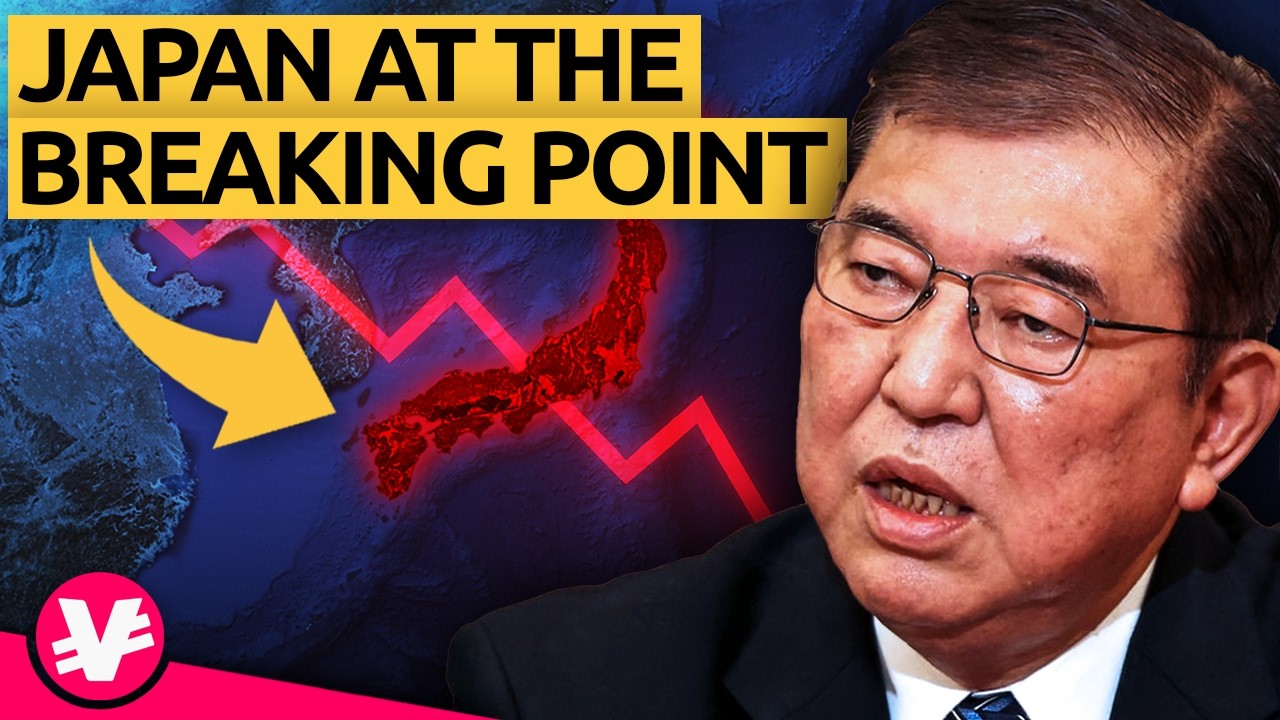
Japan's financial precipice

Trump vs. EU: A good deal?

Seven-Day Sanctions Showdown