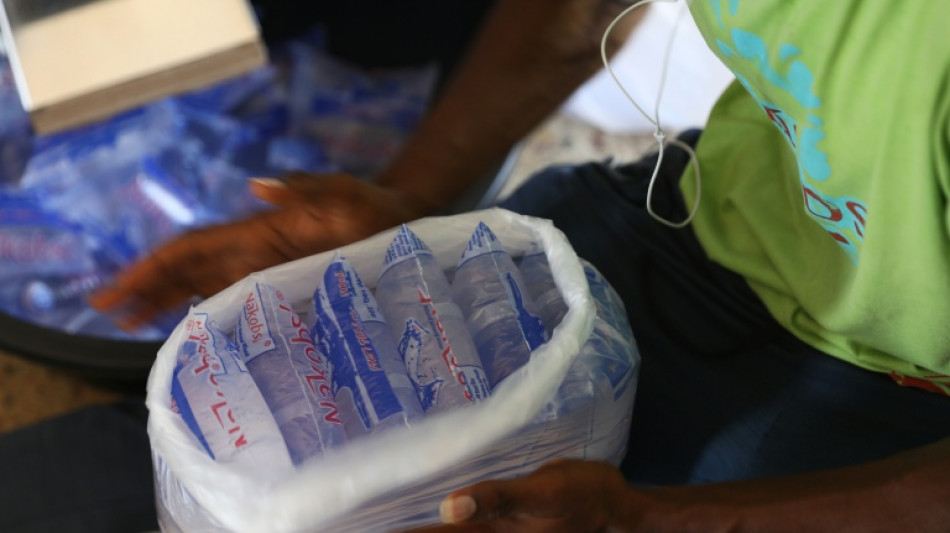
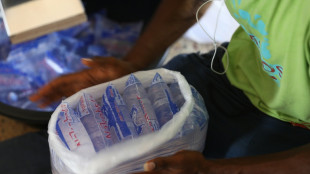
Guinea caps bottled water prices after sachets banned / Photo: Nipah Dennis - AFP/File

 The British historian helping the French rediscover de Gaulle

 Gas, health care, utilities: high costs squeeze US midterm voters

 As species decline, green turtles offer glimmer of hope
 Microsoft pushes AI vision with new, expensive Surface laptop
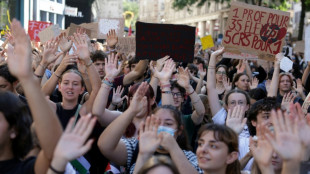
 French PM denies police ordered to confront student protesters

 Climate change strips island's title of largest penguin colony: study

 From 1800s to modern pharma: a Nobel-winning chemistry quest

 HSBC 'consults' over UK unit job cuts amid AI adoption

 Guinea caps bottled water prices after sachets banned

 Stocks slide as oil climbs on Mideast flareup

 Kyiv 'cannot agree' to EU membership limiting food exports: minister
 Spotify expands audiobooks to more than 180 markets

 Germany factory production at highest level for 18 months
 Thailand floods death toll rises to 60 since mid-September
 Chip industry activists call for South Korea to recognise cancer cases
 Famine-scarred southern Madagascar braces for El Nino

 Oil rises and stocks fall as Hormuz worries flare

 For Turkish NGOs, COP31 offers rare space for action
 Africa launches own credit agency in bid for cheaper borrowing

 Australia touts new funds for Pacific infrastructure at Fiji 'pre-COP'

 Nobel winner Halzen says years of October 'misery' finally over
 Danish reservists practice war games to respond to 'aggression'

 i-payout Introduces a New Approach to Payments, Closing the Beneficiary Information Gap

 Neutrinos: space particles that change our view of universe

 Stocks climb as oil prices retreat
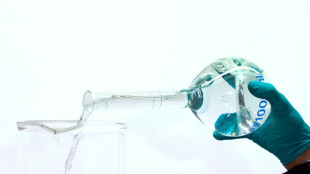
Guinea capped prices on bottled water on Wednesday amid a shortage after a plastic ban scuttled the selling of pocket-sized drinking water sachets used by a large part of the population.
The nationwide ban on plastic packaging and other items came into effect on September 20 and targeted sachets in particular, which are sold in a number of African countries.
The sachets contain approximately 40 centilitres (1.7 cups) of water and are drunk by much of the population due to their affordability at 500 Guinean francs ($0.05) per sachet.
The ban caused a rush on bottled water and within days stocks ran out and prices skyrocketed.
It has also raised fears about people resorting to water from boreholes and wells that is unfit for drinking.
Souleymane Barry, a private-sector worker who was on his lunch break in the Coleah neighbourhood near Conakry's city centre, told AFP he had been to five shops "and still no water".
"If I can't drink, I won't eat," he said.
The Union for the Defence of Guinea Consumers has expressed concern over the drinking water shortage.
"We are calling on the government for a one-year moratorium" on implementation of the plastic ban, its president M'Bany Sidibe told AFP.
He emphasised that "viable alternatives" must be found before water sachets are banned.
Ben Youssouf Keita, a physician, said that while the quality of water in the sachets was "generally acceptable", consumers were now drinking from boreholes or wells where water "is often unfit for consumption".
He said he feared a rise in diseases such as diarrhoea, dysentery and typhoid.
"At the very least, the government should launch a major prevention campaign urging the population to boil water from boreholes or wells to eliminate bacteria," he said.
The government decree on prices came into effect Wednesday and caps the retail price of a six-pack of 1.5-litre bottles at 25,000 Guinean francs ($2.84), for example.
Retailers are required to display prices and wholesale transactions must be accompanied by an itemised invoice.
P.Petrenko--CPN