
US enforces law to crack down on sexual deepfakes / Photo: Stefani REYNOLDS - AFP

 Trump rejects AI slowdown concerns as UN urges coordinated controls

 Higher wages draw migrant workers to Kashmir despite attacks

 Oil supply concerns and AI warnings weigh on global markets

 'I am the hoax buster': Trump rejects AI danger warnings

 Doha Islamic finance forum names AlRayan firms as co-lead partners

 Russian disinformation campaign sets sights on US midterms

 New York seizes 12 celeb deep-fake porn sites

 France, Iraq deepen energy, defence ties during Zaidi visit
 PopDEX Surpasses $61M TVL and $2B Trading Volume in Closed Beta

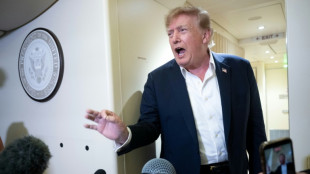 Trump blasts 'sick conspiracy' against AI as warnings mount

 French defence group Thales calls on governments to regulate AI

 Oil gains on Mideast supply fears, AI warnings rattle tech firms

 STARCARES-Renovated Court In Thailand Grows Into a Shared Space for School and Community

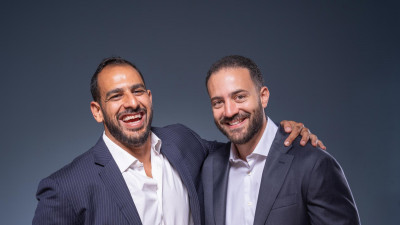 Synapse Analytics Secures US$13m Led by Partech to Drive AI-Powered Decisioning for Financial Institutions

 Surfer hospitalised after shark attack in Western Australia

 US hosts G20 'energy abundance' talks amid Iran war shock

 Migrant workers flock to Indian Kashmir despite militant threats

 Canada's Carney seeks closer Europe ties to counter hostile US

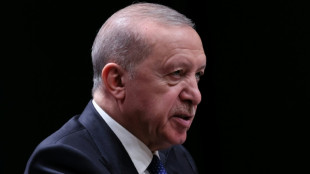 Dozens arrested in major anti-LGBTQ raids in Turkey
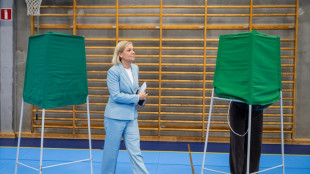
 Poland, Ukraine slam Russian strikes near border as 'escalation'
 iPhone 18預購後出現可疑扣款 四間銀行調查未授權交易

 Galaxy Tab S12系列效果圖曝光 Ultra擬配雙鏡頭及瀏海螢幕

 Altman tells Fortune OpenAI will not go public in 2026

 الأرصاد السعودية تتوقع سيولاً وأمطاراً رعدية في خمس مناطق

 Anthropic details Claude misuse as US targets major illicit online marketplace

The United States on Tuesday began enforcing a law requiring tech platforms to remove sexual deepfakes and other non-consensual intimate imagery, but experts warned of shortcomings and raised online censorship concerns.
President Donald Trump signed the Take It Down Act last year, criminalizing the online distribution of non-consensual sexual imagery that is often created using cheap and widely available artificial intelligence tools.
The Federal Trade Commission said that starting Tuesday tech platforms were required to establish a process allowing victims to request the removal of such content and must take it down within 48 hours of receiving a valid request -- or face penalties.
"We stand ready to monitor compliance, investigate violations, and enforce the Take It Down Act," FTC Chairman Andrew Ferguson said after sending letters to over a dozen tech firms -- including Meta, TikTok, X, and Snapchat -- ahead of the enforcement.
"Protecting the vulnerable -- especially children -- from this harmful abuse is a top priority for this agency and this administration."
In a post on Monday, X's Safety account said there is "no place in our society for predators to share intimate photos and videos of others without their consent."
"X has zero tolerance for non-consensual intimate images, unwanted sexual content, or any kind of exploitative behavior."
- 'Shoot first, ask questions never' -
The assurance comes after Elon Musk's AI tool Grok faced international backlash earlier this year for virtually undressing women and minors without their consent. Researchers said Grok generated an estimated three million sexualized images in a matter of days.
Still, some experts warn the Take It Down Act is far from a perfect solution.
Riana Pfefferkorn, a policy fellow at the Stanford Institute for Human-Centered Artificial Intelligence, said that the law creates a "shoot first, ask questions never" dynamic.
The incentive structure is in the "direction of just remove it, remove it, remove it," she was quoted as saying in Indicator, a newsletter focused on investigating digital deception.
Pfefferkorn also expressed concern that the law could be weaponized against trans people, sex workers whose content is consensual, and political speech the administration disagrees with.
The law's takedown provision has also alarmed other free speech advocates, who warn it could encourage tech firms to zealously moderate non-offending content to reduce risk.
An online boom in non-consensual deepfakes is currently outpacing efforts to regulate the technology around the world due to a proliferation of AI tools, including "nudification" apps, experts say.
While high-profile politicians and celebrities, including singer Taylor Swift, have been victims of deepfake porn, researchers say women not in the public eye are equally vulnerable.
A wave of AI porn scandals have been reported at schools across US states -- from California to New Jersey -- with hundreds of teenagers targeted by their own classmates.
Such non-consensual imagery can lead to harassment, bullying or blackmail, sometimes causing devastating mental health consequences, experts warn.
P.Gonzales--CPN