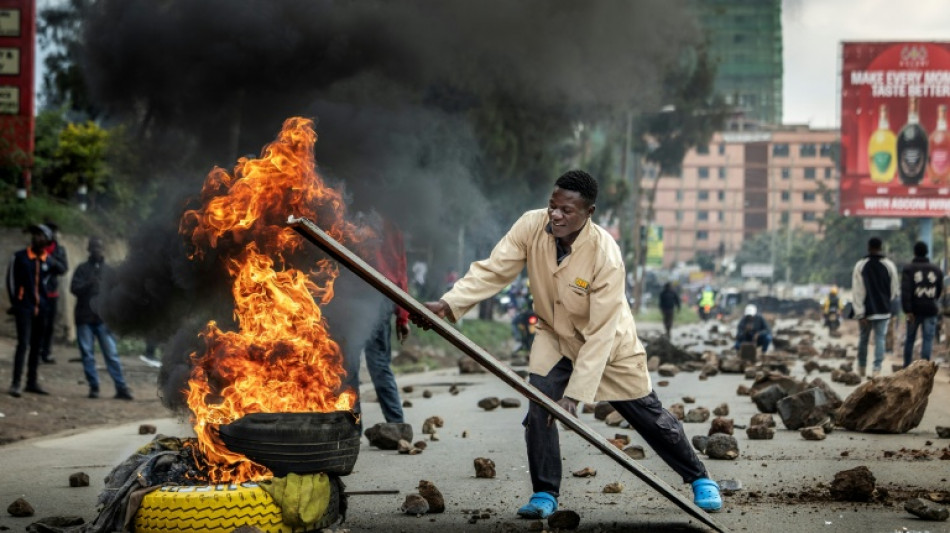
Transport protests hit Kenya over rising fuel prices / Photo: Luis TATO - AFP

 Trump rejects AI slowdown concerns as UN urges coordinated controls

 Higher wages draw migrant workers to Kashmir despite attacks

 Oil supply concerns and AI warnings weigh on global markets

 'I am the hoax buster': Trump rejects AI danger warnings

 Doha Islamic finance forum names AlRayan firms as co-lead partners

 Russian disinformation campaign sets sights on US midterms

 New York seizes 12 celeb deep-fake porn sites
 France, Iraq deepen energy, defence ties during Zaidi visit
 PopDEX Surpasses $61M TVL and $2B Trading Volume in Closed Beta

 Trump blasts 'sick conspiracy' against AI as warnings mount

 French defence group Thales calls on governments to regulate AI
 Oil gains on Mideast supply fears, AI warnings rattle tech firms

 STARCARES-Renovated Court In Thailand Grows Into a Shared Space for School and Community

 Synapse Analytics Secures US$13m Led by Partech to Drive AI-Powered Decisioning for Financial Institutions
 Surfer hospitalised after shark attack in Western Australia

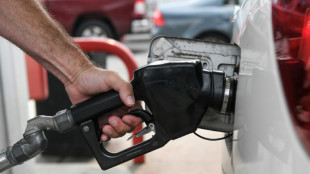 US hosts G20 'energy abundance' talks amid Iran war shock

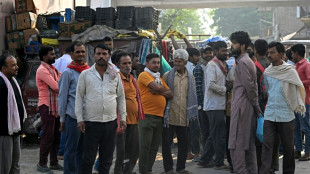 Migrant workers flock to Indian Kashmir despite militant threats

 Canada's Carney seeks closer Europe ties to counter hostile US

 Dozens arrested in major anti-LGBTQ raids in Turkey

 Poland, Ukraine slam Russian strikes near border as 'escalation'

 iPhone 18預購後出現可疑扣款 四間銀行調查未授權交易

 Galaxy Tab S12系列效果圖曝光 Ultra擬配雙鏡頭及瀏海螢幕

 Altman tells Fortune OpenAI will not go public in 2026

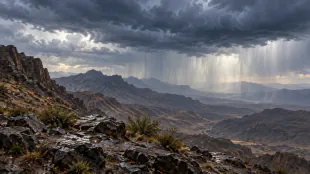 الأرصاد السعودية تتوقع سيولاً وأمطاراً رعدية في خمس مناطق

 Anthropic details Claude misuse as US targets major illicit online marketplace

Kenya's public transport system was paralysed on Monday, when protesters barricaded roads over fuel price hikes triggered by the Middle East war.
One of many African countries dependent on fuel imports from the Gulf, Kenya has been heavily hit by Iran's effective closure of the Strait of Hormuz, through which a fifth of the world's oil normally passes.
Last week, the Kenyan government announced price hikes in response to rising global oil prices, including a 23.5-percent increase for diesel -- triggering a call for the strike by transport workers.
Protesters barricaded roads and lit bonfires on the outskirts of the capital, Nairobi, early on Monday and tried to stop cars and "boda boda" motorbikes, an AFP journalist saw.
The usual congestion in Nairobi's central business district was missing, with schools closed and events cancelled.
"They do not want to listen to the citizens when we say the prices are too high," Alex Koome Mwenda, 22, told AFP.
Thousands of commuters across the country were stranded after privately owned "matatu" minibuses, Kenya's main form of public transport, went on strike.
The protests spread to other major towns, including Mombasa, Nakuru, Eldoret and Nyeri.
"The strike is completely uncalled for, even though the prices of petroleum products have risen," said treasury and economic planning minister John Mbadi.
"This is a war that we have not caused," he told the NTV broadcaster.
Critics argue that Kenya has high taxes on fuel that could be reduced, although it is also reliant on them to service high levels of debt and a strained budget.
- Ripple effect -
A day of protests such as Monday's this can cost Kenya's economy around 50 billion shillings ($390 million) a day, said economist XN Iraki.
"The price of fuel has gone up to an unsustainable level, (with) a ripple effect on the economy," he told AFP, calling on the government to cushion the blow.
Since the start of the Middle East conflict, Kenya has raised petrol prices by 20 percent, while diesel has increased by up to 45.8 percent.
"The government is responsible because it determines the price... It takes a lot of money from fuel for tax," Iraki said.
The energy regulator said the government had spent $38.5 million to cushion consumers from soaring diesel and kerosene prices in its latest review.
Last month, Kenyan authorities also suspended fuel quality standards to maintain supply in the face of shortages.
While Kenya is among East Africa's most dynamic economies, around a third of its 50 million citizens still live in poverty.
A.Leibowitz--CPN