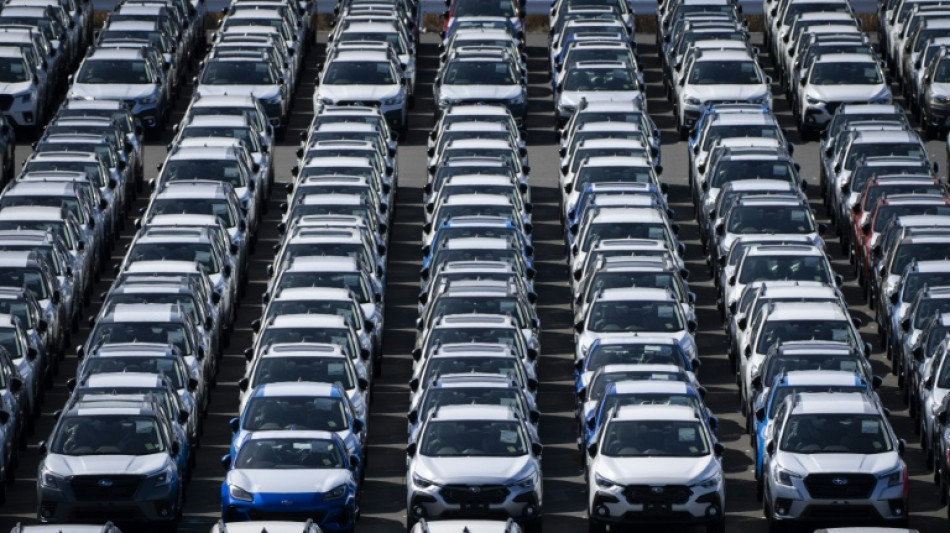
Trump signs order to lower US tariffs on Japan autos to 15% / Photo: Yuichi YAMAZAKI - AFP

 Archaelogical 'breakthrough' could confirm origins of Paris
 Fendi brings disco bling, Italian style, to Milan Fashion Week

 アレックス・ボディ氏とシュテファン・ハウプト教授、ルーマニアの伝説的な美術コレクションをめぐり提携に合意

 Stocks dip, oil rises as traders eye chances of Iran deal

 Oil falls, stocks steady as Trump hails 'good' Iran talks
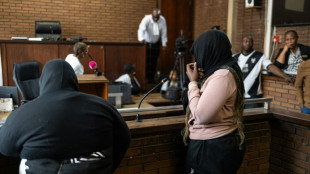
 Canada judge to decide prison term for suicide poison seller

 Meta leans into AI, smart glasses amid privacy pushback
 Oil prices fall after Trump hails 'good' talks with Iran

 AI political ads warp reality ahead of US midterms

 Oil prices retreat as markets welcome US-Iran talks
 French prosecutors probe secret filming of women with smart glasses

 Trump renames AI "super intelligence," rejects international oversight
 How is the EU approaching record fuel prices?

 11 hurt as teen opens fire outside school in western Turkey

 UN chief says 'Big Oil' treats atmosphere as open sewer
 Memoir by Diana's brother goes on sale after rocking UK monarchy
 Stocks climb as oil slides, AI buzz returns

 MEXC Launches “Real Stocks, Real Friends” with Rewards for Bringing Friends to Wall Street

 Stocks rise on AI buzz, oil prices cool
 In Bangladesh, Pakistan's Jinnah photo stirs anger

 China's robot dancers limber up for America's Got Talent final
 Green policies just good politics, says UK minister
 El Nino weather pattern enters record territory: scientist
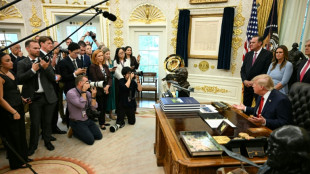 US networks halt Trump coverage in revolt over White House ban

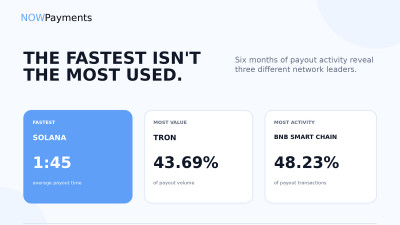 NOWPayments Releases Cross-Chain Payout Data Revealing Key Performance Benchmarks Across TRON, BNB Chain, and Solana

US President Donald Trump signed an order Thursday to lower tariffs on Japanese autos, as Washington moves to implement its trade pact negotiated with Tokyo.
Japanese autos will face a 15-percent tariff instead of the current 27.5 percent, while the level for many other goods will similarly be capped at 15 percent, according to the text of the executive order published by the White House.
The outcome marks a win for Japan, after Tokyo's tariff envoy headed to Washington on Thursday to press Trump to sign the document for the changes -- weeks after both sides announced their agreement.
While the two countries had initially unveiled a trade pact in late July, they appeared to diverge in its details.
When Trump in early August implemented higher tariffs on Japan -- as part of a flurry targeting dozens of economies -- its 15-percent rate stacked on existing levels for many products.
Japan's tariffs envoy Ryosei Akazawa had earlier told reporters that Washington was expected to revise the rule.
According to the new order, the 15-percent cap for many products will apply retroactively to goods shipped from August 7 -- the date that the higher duties on dozens of economies took effect.
The modifications are to be made within seven days of the rule being published on the Federal Register.
Apart from Washington's country-specific tariff levels, Trump has also imposed separate sector-specific tariff rates, including a 25-percent duty on autos and parts.
This, coupled with an existing 2.5-percent tariff the Japanese auto industry faced, took the overall level to 27.5 percent.
The hefty duties had marked a heavy blow to Japan and its crucial auto sector, which accounts for around eight-percent of the country's jobs.
Japan's deal wins it a similar reprieve to the European Union, which also has a 15-percent maximum tariff on many products.
Akazawa was also expected to engage in further discussions during his US trip about Trump's assertion that Japan would make investments worth $550 billion in the United States.
According to Trump's order, the investments "will be selected by the United States Government," but the document did not go into detail.
Trump has said the United States will keep 90 percent of the profits from the investments, which Japan has said will mostly consist of loans and loan guarantees.
Akazawa had cancelled an earlier visit after Washington said that it was considering including a reduction in Japanese tariffs on agricultural products in the presidential order, the Nikkei business daily reported.
Trump has long pressed Japan to import more American rice.
C.Smith--CPN