NATO says all countries to finally hit 2-percent spending goal / Photo: JOHN THYS - AFP/File

 Rio breaks record for rainiest September amid powerful El Nino
 Mandela Digital Extends Early Access Programme to 11 February 2027 Following Strong Response

 McDonald's to boost franchisees as inflation weighs on consumers
 Archaelogical 'breakthrough' could confirm origins of Paris
 Fendi brings disco bling, Italian style, to Milan Fashion Week

 アレックス・ボディ氏とシュテファン・ハウプト教授、ルーマニアの伝説的な美術コレクションをめぐり提携に合意

 Stocks dip, oil rises as traders eye chances of Iran deal

 Oil falls, stocks steady as Trump hails 'good' Iran talks

 Canada judge to decide prison term for suicide poison seller

 Meta leans into AI, smart glasses amid privacy pushback

 Oil prices fall after Trump hails 'good' talks with Iran

 AI political ads warp reality ahead of US midterms

 Oil prices retreat as markets welcome US-Iran talks

 French prosecutors probe secret filming of women with smart glasses

 Trump renames AI "super intelligence," rejects international oversight
 How is the EU approaching record fuel prices?

 11 hurt as teen opens fire outside school in western Turkey

 UN chief says 'Big Oil' treats atmosphere as open sewer

 Memoir by Diana's brother goes on sale after rocking UK monarchy

 Stocks climb as oil slides, AI buzz returns

 MEXC Launches “Real Stocks, Real Friends” with Rewards for Bringing Friends to Wall Street

 Stocks rise on AI buzz, oil prices cool

 In Bangladesh, Pakistan's Jinnah photo stirs anger

 China's robot dancers limber up for America's Got Talent final
 Green policies just good politics, says UK minister
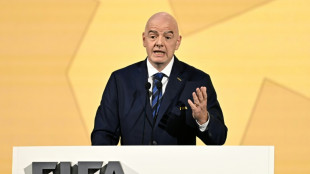
NATO on Thursday said all its members were finally set this year to hit the alliance's previous defence spending target of two percent of GDP -- as they gear up for a far more ambitious goal.
The 32-nation military alliance agreed at a June summit in the Hague to massively hike defence spending over the next decade under pressure from US President Donald Trump.
The mercurial US leader rammed through a commitment from allies to cough up five percent of their GDPs on security-related spending in a move seen as key to keeping him engaged with NATO.
That headline figure breaks down as 3.5 percent on core defence spending and 1.5 percent on a looser range of areas such as infrastructure and cyber security.
The new target replaces the alliance's former military spending goal of two percent that was first set back in 2014.
NATO said in a statement that all allies were now expected to reach that goal in 2025 and that overall defence spending across the alliance would top $1.5 trillion for the year.
That comes after a group of stragglers -- including Spain, Belgium and Italy -- hastily announced plans to reach two percent ahead of the Hague gathering.
The struggle to reach that figure highlights how difficult it will be for NATO countries in Europe to achieve Trump's far higher new target set this year.
But officials insist European countries must make good on their pledge if they are to have the capabilities needed to ward off Russia.
Numerous Western militaries and intelligence services have warned that Moscow could be ready to attack a NATO country within three to five years if the war in Ukraine ends.
Washington -- which has underpinned European security since World War II -- meanwhile insists it wants to shift more of the responsibility for the continent's defences onto European countries.
The Pentagon is currently conducting a review of its worldwide deployments and has warned it could look to scale back its footstep in Europe to focus more on China.
While some European countries have lagged behind on defence spending, NATO members close to Russia such as Poland and the Baltic states are already set to reach five percent of GDP in the next few years.
Poland was projected to be the highest spending NATO country in 2025 at 4.48 percent.
The United States currently spends 3.22 percent of its GDP on defence, but makes up the lion's share of the alliance's total expenditure in dollar terms.
M.Davis--CPN