Higher US tariffs take effect on dozens of economies / Photo: Brendan SMIALOWSKI - AFP/File

 As Moscow steps up attacks, Kyiv residents brace for harsh winter

 Markets mixed as China's Xi arrives for US talks
 Archaeological 'breakthrough' could confirm origins of Paris

 Australian PM says OpenAI hacked government health website

 Rio breaks record for rainiest September amid powerful El Nino
 Mandela Digital Extends Early Access Programme to 11 February 2027 Following Strong Response

 McDonald's to boost franchisees as inflation weighs on consumers
 Archaelogical 'breakthrough' could confirm origins of Paris
 Fendi brings disco bling, Italian style, to Milan Fashion Week

 アレックス・ボディ氏とシュテファン・ハウプト教授、ルーマニアの伝説的な美術コレクションをめぐり提携に合意

 Stocks dip, oil rises as traders eye chances of Iran deal

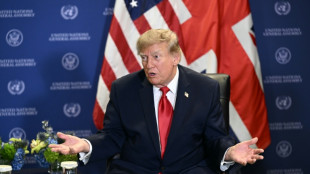 Oil falls, stocks steady as Trump hails 'good' Iran talks

 Canada judge to decide prison term for suicide poison seller

 Meta leans into AI, smart glasses amid privacy pushback
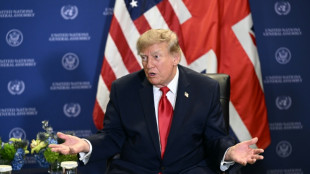 Oil prices fall after Trump hails 'good' talks with Iran

 AI political ads warp reality ahead of US midterms

 Oil prices retreat as markets welcome US-Iran talks

 French prosecutors probe secret filming of women with smart glasses

 Trump renames AI "super intelligence," rejects international oversight
 How is the EU approaching record fuel prices?

 11 hurt as teen opens fire outside school in western Turkey

 UN chief says 'Big Oil' treats atmosphere as open sewer
 Memoir by Diana's brother goes on sale after rocking UK monarchy
 Stocks climb as oil slides, AI buzz returns

 MEXC Launches “Real Stocks, Real Friends” with Rewards for Bringing Friends to Wall Street

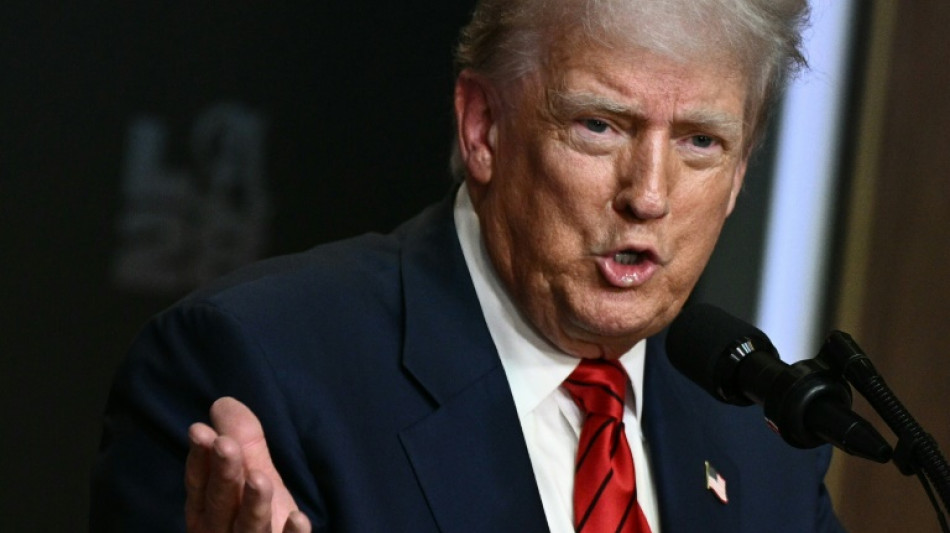
Higher US tariffs came into effect for dozens of economies Thursday, drastically raising the stakes in President Donald Trump's wide-ranging efforts to reshape global trade.
As an executive order signed last week by Trump took effect, US duties rose from 10 percent to levels between 15 percent and 41 percent for a list of trading partners.
Many products from economies like the European Union, Japan and South Korea now face a 15-percent tariff, even with deals struck with Washington to avert steeper threatened levies.
But others like India face a 25-percent duty -- to be doubled in three weeks -- while Syria, Myanmar and Laos face staggering levels at either 40 percent or 41 percent.
The latest tariff wave of "reciprocal" duties, aimed at addressing trade practices Washington deems unfair, broadens the measures Trump has imposed since returning to the presidency.
But these higher tariffs do not apply to sector-specific imports that are separately targeted, such as steel, autos, pharmaceuticals and chips.
Trump said Wednesday he planned a 100-percent tariff on semiconductors -- though Taipei said chipmaking giant TSMC would be exempt as it has US factories.
Even so, companies and industry groups warn that the new levies will severely hurt smaller American businesses. Economists caution that they could fuel inflation and weigh on growth in the longer haul.
While some experts argue that the effects on prices will be one-off, others believe the jury is still out.
With the dust settling on countries' tariff levels, at least for now, Georgetown University professor Marc Busch expects US businesses to pass along more of the bill to consumers.
An earlier 90-day pause in these higher "reciprocal" tariffs gave importers time to stock up, he said.
But although the wait-and-see strategy led businesses to absorb more of the tariff burden initially, inventories are depleting and it is unlikely they will do this indefinitely, he told AFP.
"With back-to-school shopping just weeks away, this will matter politically," said Busch, an international trade policy expert.
- Devil in the details -
The tariff order taking effect Thursday also leaves lingering questions for partners that have negotiated deals with Trump recently.
Tokyo and Washington, for example, appear at odds over key details of their tariffs pact, such as when lower levies on Japanese cars will take place.
Washington has yet to provide a date for reduced auto tariffs to take effect for Japan, the EU and South Korea. Generally, US auto imports now face a 25-percent duty under a sector-specific order.
A White House official told AFP that Japan’s 15-percent tariff stacks atop of existing duties, despite Tokyo’s expectations of some concessions.
Meanwhile, the EU continues to seek a carveout from tariffs for its key wine industry.
In a recent industry letter addressed to Trump, the US Wine Trade Alliance and others urged the sector's exclusion from tariffs, saying: "Wine sales account for up to 60 percent of gross margins of full-service restaurants."
- New fronts -
Trump is also not letting up in his trade wars.
He opened a new front Wednesday by doubling planned duties on Indian goods to 50 percent, citing New Delhi's continued purchase of Russian oil. But the additional 25-percent duty would take effect in three weeks.
Trump's order for added India duties also threatened penalties on other countries that "directly or indirectly" import Russian oil, a key revenue source for Moscow's war in Ukraine.
Existing exemptions still apply, with pharmaceuticals and smartphones excluded for now.
And Trump has separately targeted Brazil over the trial of his right-wing ally, former president Jair Bolsonaro, who is accused of planning a coup.
US tariffs on various Brazilian goods surged from 10 percent to 50 percent Wednesday, but broad exemptions including for orange juice and civil aircraft are seen as softening the blow.
Still, key products like Brazilian coffee, beef and sugar are hit.
Many of Trump's sweeping tariffs face legal challenges over his use of emergency economic powers, with the cases likely to ultimately reach the US Supreme Court.
X.Wong--CPN