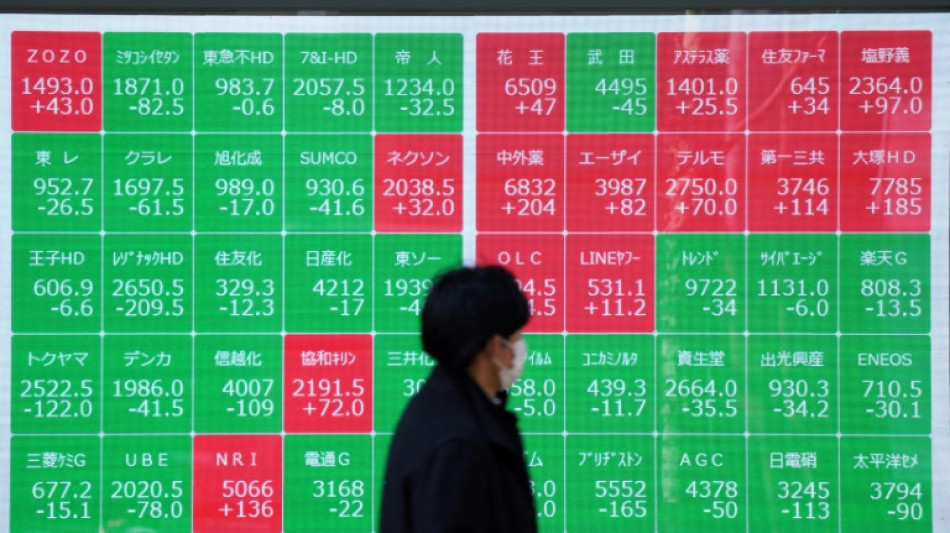
Japan PM says Trump tariffs a 'national crisis' / Photo: Kazuhiro NOGI - AFP

 Kenya's economy faces climate change risks: World Bank

 AstraZeneca profit jumps as cancer drug sales grow

 Trump tariffs hurt French wine and spirits exports

 Back to black: Philips posts first annual profit since 2021
 'Family and intimacy under pressure' at Berlin film festival

 Unions rip American Airlines CEO on performance

 Three missing employees of Canadian miner found dead in Mexico

 Epstein accomplice Maxwell seeks Trump clemency before testimony

 Emergency measures kick in as Cuban fuel supplies dwindle under US pressure
 AI chatbots give bad health advice, research finds
 Bank of France governor Francois Villeroy de Galhau to step down in June

 Japan restarts world's biggest nuclear plant again
 'Want to go home': Indonesian crew abandoned off Africa demand wages

 Trump says China's Xi to visit US 'toward the end of the year'

 US astronaut to take her 3-year-old's cuddly rabbit into space

 Storm-battered Portugal votes in presidential election run-off

 De Beers sale drags in diamond doldrums

 Pakistan's capital picks concrete over trees, angering residents
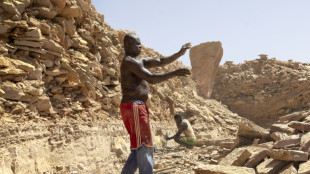
 Chile's climate summit chief to lead plastic pollution treaty talks

 Opinions of Zuckerberg hang over social media addiction trial jury selection
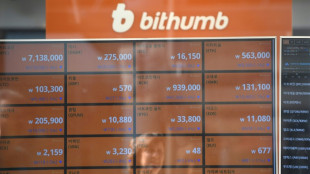
 Dow surges above 50,000 for first time as US stocks regain mojo

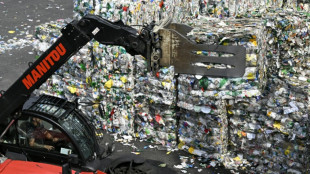 EU nations back chemical recycling for plastic bottles
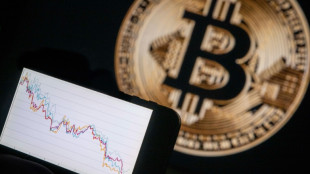
 Stocks rebound though tech stocks still suffer

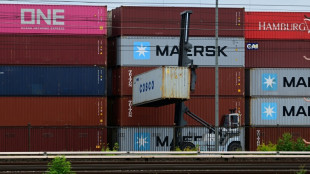 German exports to US plunge as tariffs exact heavy cost

 'Mona's Eyes': how an obscure French art historian swept the globe

US President Donald Trump's tariffs on Japanese goods are a "national crisis", Prime Minister Shigeru Ishiba said Friday ahead of cross-party talks on mitigating the impact.
Japanese firms are the biggest investors into the United States but Trump on Thursday announced a hefty 24-percent levy on imports from the close US ally as part of global "reciprocal" levies.
The measures "can be called a national crisis and the government is doing its best with all parties" to lessen the impact, Ishiba said in parliament.
He called however for a "calm-headed" approach to negotiations with Trump's administration, which has also imposed 25-percent tariffs on auto imports which came into force this week.
Bank of Japan governor Kazuo Ueda said meanwhile that tariffs "can be a factor in downward pressure on the global and national economies".
Ishiba on Thursday told his ministers "to study closely" the tariffs and "to take all measures necessary including financing support" for domestic industries and protecting jobs, government spokesman Yoshimasa Hayashi told reporters.
Ishiba's meetings with party leaders later Friday were aimed at laying the groundwork for the supplementary budget bill, as his minority government needs opposition support to pass it in parliament, the Asahi Shimbun daily reported.
On Friday, Hayashi repeated that Trump's sweeping new tariffs are "extremely regrettable" and that Japan has "serious concerns" about whether they comply with World Trade Organization rules and US-Japan trade agreements.
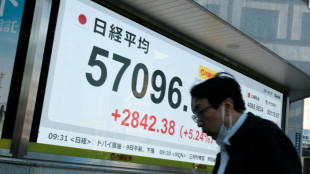
Japan's main Nikkei 225 index fell more than three percent on Friday, adding to a 2.7-percent drop on Thursday after the S&P 500 on Wall Street dropped by the most in a day since 2020.
- 'Extremely grave' -
Major Japanese business lobby the Japan Chamber of Commerce and Industry (JCCI) said Trump's tariffs "would have an extremely grave impact on the Japanese economy".
"We strongly urge the government to continue its persistent negotiations for the exemption from tariff measures and to take all possible measures to minimise the impact on small and medium-sized enterprises and small businesses... by developing a detailed consultation system and strengthening cash management support," the JCCI said Thursday.
The Japan Automobile Manufacturers Association (JAMA) also called for government assistance for its members, which make up an important pillar of the world's fourth-biggest economy.
The industry has "consistently called for fundamental reform to simplify and ease the burden of automobile-related taxation, (and) we kindly request comprehensive support measures to ensure that Japan's automotive industry can maintain its foundation as a manufacturing base, through the revitalization of the domestic market", it said.
JAMA said its members have invested a cumulative total of more than $66 billion in US manufacturing as of 2024, generating over 110,000 direct US jobs and supporting more than 2.2 million others.
"We have long believed that becoming an integral part of the US auto industry -- through local investment and job creation -- is the most sustainable path forward for the auto industries of both countries," it said.
Japanese carmakers ship about 1.45 million cars to the United States from Canada and Mexico, where they operate factories, Bloomberg News reported.
By comparison, Japan exports 1.49 million cars directly to the United States, while Japanese automakers make 3.3 million cars in America.
In Japan, the auto sector is a key industry, employing about 5.6 million people directly or indirectly.
Vehicles accounted for around 28 percent of Japan's 21.3 trillion yen ($142 billion) of US-bound exports last year.
A.Samuel--CPN