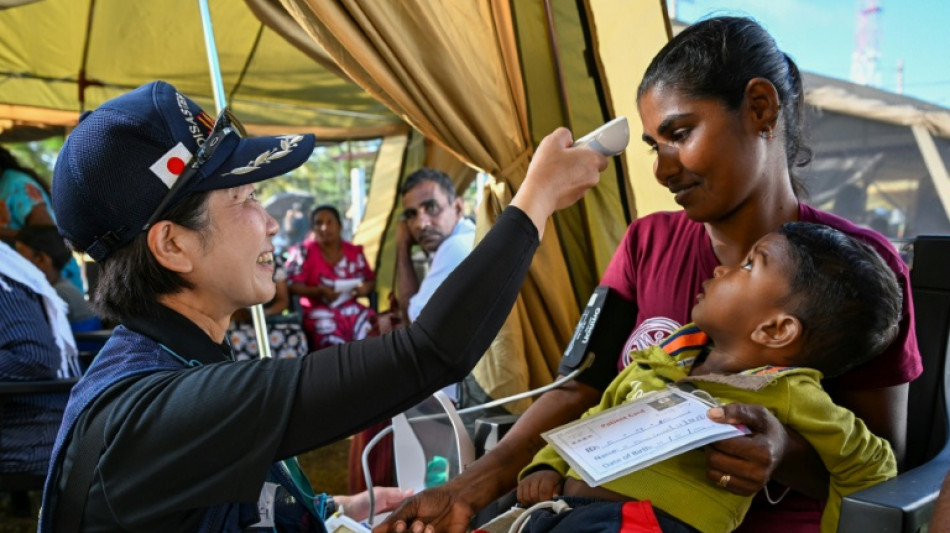
Anguished Sri Lankans queue for care after deadly cyclone / Photo: Ishara S. KODIKARA - AFP

 France's Macron, Canada's Carney announce closer ties
 AI 'warning shots' focus Beijing on national security risks
 Philippine tribe in limbo over US-led tech hub
 Saudi-led coalition says Houthis fired ballistic missile at Riyadh
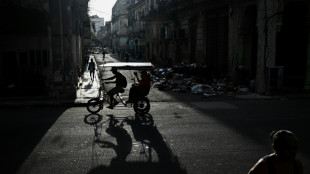 Cuba works to restore power after another blackout
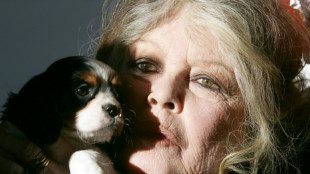 Brigitte Bardot widower slams sale of star's belongings

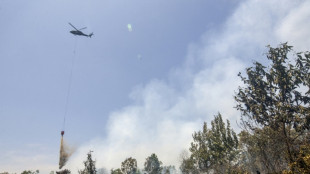 Indonesia accepts Malaysia's help to tackle wildfires
 Nvidia, OpenAI CEOs to attend Xi dinner at White House

 Cuba hit with seventh major blackout of the year

 Nigeria miners struggled to breathe in cell before 37 died: survivors

 Warren Buffett steps down as Berkshire Hathaway chairman

 Isolated Syrian-Druze city blames Damascus for shortages

 Kerry James Marshall: American 'blackness' painter celebrated in Europe

 Infantino 'must go', says German FA vice-president

 Japan's busiest rail station tests robot bins

 Backpackers fret over Australian visa crackdown

 Bank of Japan hikes rates to 31-year high to battle inflation

 AI doomsday warnings unlikely to slow IPOs but questions linger

 In Brazil's Amazon, the hunt for oil fuels hopes and fears

 Baby orangutans in India expose 'frightening' scale of trafficking

 Oversight Board blasts 'inadequate' Meta safeguards for AI deepfakes

 Harry makes first public appearance since return to UK

 Princess Diana's brother makes new explosive claims against Charles

 Trump admin overhauls key protection for endangered species

 Mbappe draws political fire over Ceuta t-shirt controversy

Long before dawn, people were already queueing for medical aid on Tuesday at an emergency camp in Sri Lanka's coastal town of Chilaw, hit hard by a deadly cyclone and floods.
Carpenter Prasantha Perera, 60, was waiting to have a shard of wood removed from his left foot, so that he can finally begin the arduous task of cleaning up.
The disaster caused by Cyclone Ditwah -- the island's worst this century -- has affected more than two million people, or nearly 10 percent of the population.
At least 638 people were killed.
Perera was the first patient of the day to leave the disaster medical camp, run by Japanese aid workers to support Chilaw's flood-hit state hospital.
"I couldn't get into the camp yesterday, so I turned up today at 4:00 am to be first in line," he said, bowing to thank the Japanese medics.
Dozens of men, women and children were standing in the orderly queue, already so long some were told to return the next day.
"My house went under five feet (1.5 metres) of water," Perera told AFP, as he limped home clutching medicines to prevent infection.
"I couldn't start cleaning up because of this splinter, but now I can begin."
Aid workers were treating a long list of ailments, but could only see around 150 patients a day.
"I will come very early tomorrow to get medicine for eczema," Eva Kumari, 51, told AFP after being turned away when the facility hit its daily capacity.
The Sri Lankan government had asked Japan to send its outpatient disaster medical unit to Chilaw, about 70 kilometres (43 miles) north of the capital Colombo, after the town's main hospital was flooded.
The hospital's deputy director, Dinesh Koggalage, said it had only just resumed admitting patients -- nearly two weeks since the cyclone hit.
- Disease threat -
Demand for the Japanese team remains high, said Professor Taketo Kurozumi, head of disaster medical management at Tokyo's Teikyo University.
"Numbers are increasing," he told AFP between seeing patients, with common problems including skin issues, respiratory problems and mosquito-borne diseases, such as dengue fever and chikungunya.
Sri Lankan President Anura Kumara Dissanayake has said Cyclone Ditwah was the most challenging natural disaster in recent history and appealed for international aid for the daunting recovery effort.
The 31-member medical aid team, deployed by the Japan International Cooperation Agency, arrived just days after the cyclone had left Sri Lanka.
They set up a clinic in white tents, equipped with their own medical kits and power generators, and with the support of a team of 16 translators.
All medics greet patients by bowing their heads and with hands clasped in a traditional Sri Lankan greeting.
Queue management is handled by a Japanese volunteer monk, who has been living on the island for 15 years, and speaks Sri Lanka's Sinhala language.
Kazuyuki Takahashi, also known by his Buddhist name Saranankara Himi, oversees the process.
The queue moves slowly as doctors listen to patient histories and spend more time on each one than Sri Lanka's overstretched health system can generally afford, even in the best of times.
A.Samuel--CPN
