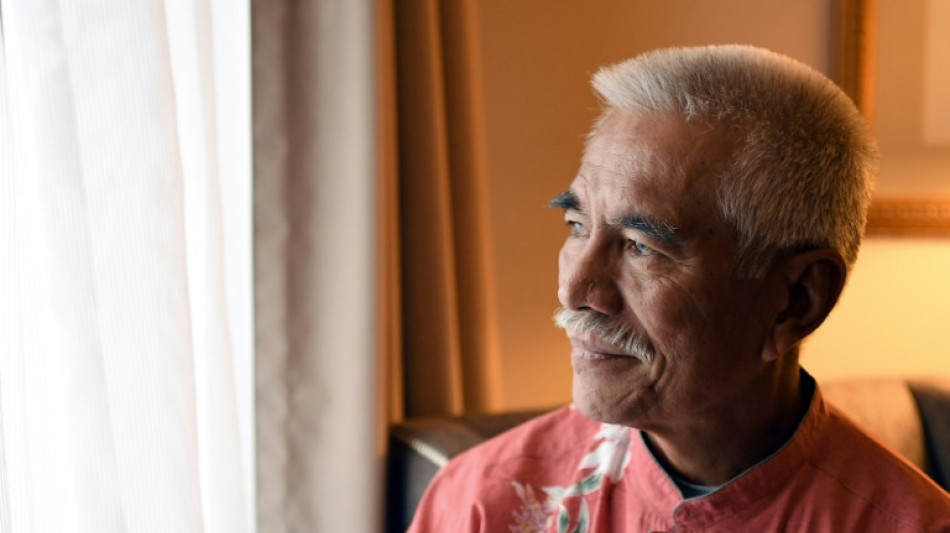
Pacific climate pioneer still fears for island nation's future / Photo: ANGELA WEISS - AFP

 South Lebanon children return to school destroyed by Israel strike
 European stock markets climb as oil prices drop

 Asian markets mixed after recent oil surge
 Cash for nature protection: hotelier's offer to Principe islanders

 India rape cases turn focus back onto women's safety
 Rich nations should foot climate bill, says Nepal minister
 Italy bans burqas in schools, caps numbers of foreign students per class

 Napoli hoping to build new stadium, says owner
 What happens if the US bans diesel exports
 Oscar-winner Cotillard fears being moved by AI actor

 Stocks fall, oil prices rise as global bonds back under pressure

 Streamex Converts Interest Into Capital as GLDY Investment Strategy Secures $1M+ Institutional Allocation

 STARTRADER Named Best Fintech Forex Broker at Forex Expo Dubai 2026
 German think tanks urge Merz to stick with reforms after election defeats
 France's top-selling newspaper to slash jobs

 BaazEX Enters the Asian Trading Market With a New Approach to Online Forex Trading.
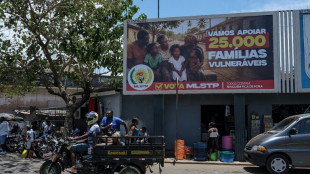 Sao Tome voters want to stop exodus of 'neglected' youth
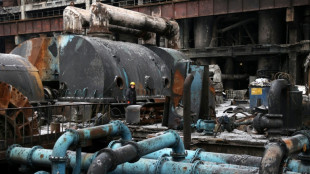
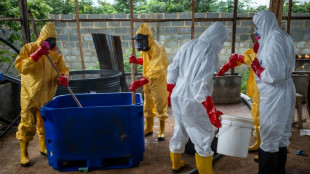 Mexican cartels target Australia with their African meth
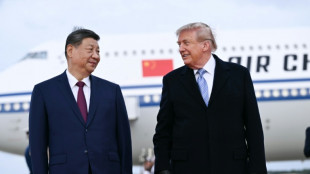
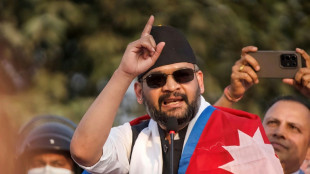 Rapper-turned-PM faces first big test after Nepal disaster

 Meta launches camera-free AI glasses amid privacy pushback
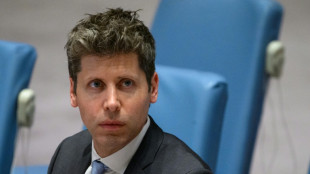
 Anthropic touts AI-led biology discovery
 Stocks fall on soaring bond yields, higher oil prices

 ArcPoint Expands Globally with Institutional Intelligence Platform for Modern Investors

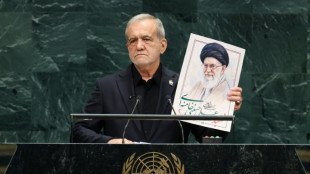
 Outgoing UN chief makes final climate push at New York summit

 Stocks dip, oil soars despite Trump hailing "productive" Iran talks

A founding father of the Pacific climate movement on Thursday welcomed an international court's decision on global warming but said he fears for the future of his almost 30 grandchildren on low-lying Kiribati.
Kiribati, a climate-threatened archipelago that is home to some 130,000 people, sits barely two metres (6.5 feet) above sea level, has little freshwater, no rivers and limited fertile land.
The International Court of Justice in The Hague declared Wednesday that states are obliged under international law to tackle climate change.
"There was a time when it really got me very depressed because of the realisation that there is not much that we can do about it," former Kiribati president Anote Tong, who led the remote nation for 12 years until 2016, told AFP.
"I've heard people about talking about climate grief, and perhaps that is what climate grief is all about: realising that you have no future, and understanding that my grandchildren, I've got a lot of grandchildren, I don't know what is going to happen to them."
"Previously, I spoke as a leader, now I speak as a grandfather on the climate issue."
Tong welcomed the "wonderful achievement" of the international court decision but warned it risked overshadowing the voices of those at the forefront of climate change.
"This is a human rights issue. It's not a legal issue," he said. "There is always a danger that we're not focusing on justice, but more on the legal aspects of the issue."
- 'How do we survive?' -
The UN's climate expert panel warned rising sea levels and coastal erosion could render some Pacific nations, including Kiribati, uninhabitable by 2060.
Tong, 73, said that during his lifetime, extreme weather events had increasingly destroyed crops and fresh water sources.
The climate leader said corals lie just off his property.
"I used to play with my kids when the tide was at its highest. Now, you can never do that because the waves are too strong," he said.
"That's definitely a change. The question is that, can our islands withstand the change?"
Tong said he feared a window of opportunity has passed.
He blamed the international community, including polluting countries and global bodies, which he said had "failed at every turn" to address climate change and ignored the plight of smaller island states.
"Our future is not assured," he said. "I've all but given up, but I can never afford to give up."
"We're still fighting the fight. The real question is: how do we survive? How do our grandchildren survive?"
A.Levy--CPN