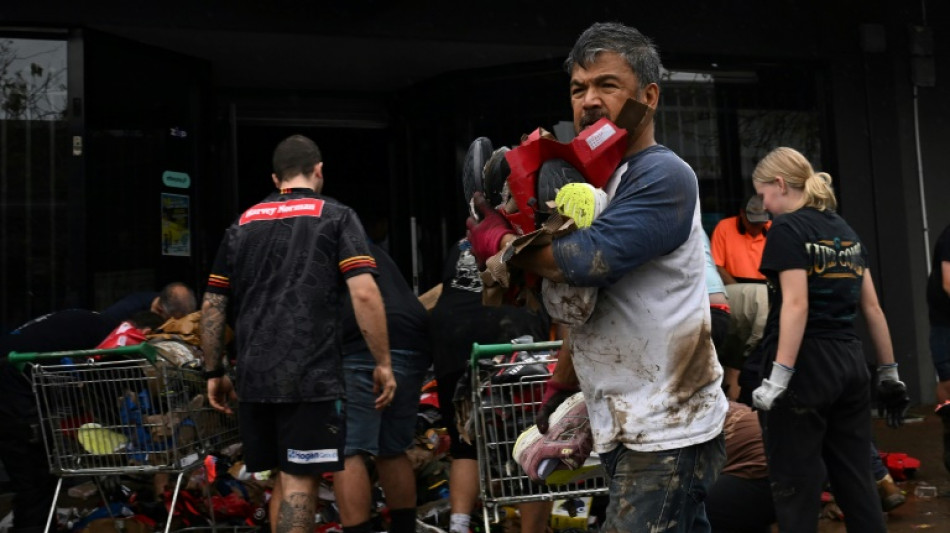
Flood victims confront damage after record deluge in eastern Australia / Photo: Saeed KHAN - AFP

 S.African women runners arm themselves after string of killings

 Indonesia fires threatens critically-endangered orangutan: IUCN

 Iran proposes Hormuz plan, Trump reportedly refuses
 El Nino rewrites the menu in the world's top restaurants

 Jay-Z rape accuser says she made 'false accusations'

 Trump's photo of Xi greeting carries signs of AI

 First US trial against TikTok to open Monday

 French literary prize removes novel from longlist after AI claims

 Trump accuser E. Jean Carroll finally has her damages

 Heavy fighting, internet disruption as Ethiopia conflict rages

 Asian markets mixed after oil gains

 UN approves resolution on dealing with rising sea levels

 Global stocks mostly fall as oil prices and bond yields rise

 Starbucks to close 250 more cafes in North America

 Stocks fall as oil prices rise and bonds back under pressure
 Top ECB official to resign to take up IMF role

 Eviction of pensioner puts Spain housing crisis in spotlight

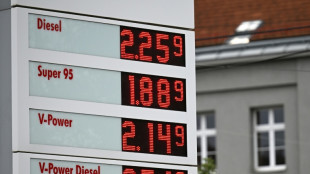 Average EU diesel price hits record 2.23 euros a litre: AFP analysis

 Whitetip Investments Marks 10 Years of Regulation, Transparency & Responsible Trading

 Stocks fall, oil prices rise as global bonds under pressure

 Hungary detects invasive spotted lanternfly for first time in EU

 Forex Expo Dubai 2026 Breaks Guinness World Record Again With 23,816 Attendees

 Asian markets fall on US-China jitters as leaders meet

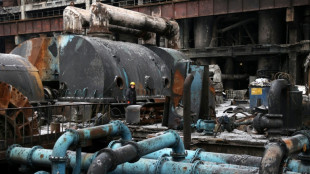 As Moscow steps up attacks, Kyiv residents brace for harsh winter

 Markets mixed as China's Xi arrives for US talks

Flood victims confronted damage from a record deluge in eastern Australia on Friday, returning to find their homes caked in silt, cars half submerged and streets littered with debris.
Four bodies have been pulled from floodwater in northern New South Wales, a fertile region of rivers and valleys about 400 kilometres (250 miles) from Sydney.
The storms dumped more than six months' worth of rain over three days, according to the government weather bureau, smashing records in some areas.
In Taree, one of the worst-hit towns, the swollen Manning River broke a 96-year record.
People picked through piles of sodden trash dumped in the town centre, searching for anything salvageable.
Rescue worker Jason Harvey said the immediate flood emergency was over but the clean up had just begun.
"Emotions were high as we were rescuing a lot of people who are distraught when we get to them," he told AFP.
"We are now at that clean up stage. I am glad it is over," he said.
The rising tides cut off tens of thousands of people, forcing some to clamber atop cars, houses and highway bridges before helicopters winched them away.
Rescue crews have plucked more than 600 people to safety since the waters started rising earlier this week.
State Emergency Service head Dallas Burnes warned that even as the floods recede, the stagnant, muddy lakes still poses a threat, including from snakes that may have slithered into homes.
"Floodwaters have contaminants. There can be vermin, snakes. You need to assess those risks.
"Electricity can also pose a danger as well."
He said recovery efforts were focused on "resupplying the isolated communities".
-'Horrific' circumstances -
As he travelled into the disaster zone on Friday, Prime Minister Anthony Albanese described the situation as "horrific".
"The Australian Defence Force will be made available. There's going to be a big recovery effort required," he told local radio.
"There's been massive damage to infrastructure and we're going to have to all really pitch in."
The government has declared the floods a natural disaster, unlocking greater resources for affected areas.
About 50,000 people had been cut off from help at the height of the disaster, authorities said.
Business owner Jeremy Thornton said the "gut-wrenching" flood was among the worst he had seen.
"It is pretty tough, we've had a few moments but you have to suck it up and push on," he told AFP.
"We are reliving it every second -- hearing the rain, hearing the helicopters, hearing the siren."
Kinne Ring, mayor of the flood-stricken farming town of Kempsey, said dozens of properties had been swamped.
"Houses have been inundated," she told national broadcaster ABC.
"There's water coming through the bottom of houses, it's really awful to see and the water is going to take a bit of time to recede."
Flash floods also threatened a wildlife sanctuary breeding endangered Tasmanian Devils, a meat-eating native marsupial.
"Our hardworking team has been out in tough conditions, moving animals to safety and getting food to where it's needed most," the Aussie Ark sanctuary said in a statement.
On the coast, people spotted dead cows washing up after rivers swept them from their pastures.
- 'Compelling evidence' -
From the arid outback to the tropical coast, swaths of Australia have recently been pummelled by wild weather.
The oceans surrounding Australia have been "abnormally warm" in recent months, according to Australia's government weather bureau.
Warmer seas evaporate more moisture into the atmosphere, which can eventually lead to more intense rains.
Although difficult to link to specific disasters, climate change is already fuelling more extreme weather patterns, scientists warn.
Flood modelling expert Mahdi Sedighkia said this week's emergency offered "compelling evidence" of how climate change could affect regional weather patterns.
P.Gonzales--CPN