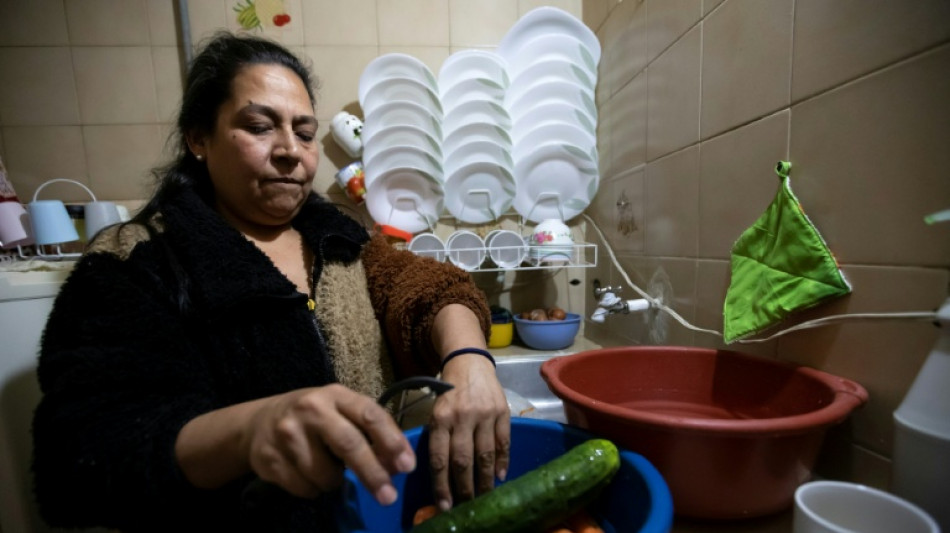
Bogota ends one year of climate-induced water rationing / Photo: Alejandro Martinez - AFP

 Kenya's economy faces climate change risks: World Bank

 'Beginning of the end': Relief but no party as French wildfire winds down

 Southern Europe 'becoming more flammable' in hotter climate, experts say

 Mammoth bones found on parched bed of Danube in Bulgaria

 MEXC Lists Grvt (GRVT) with $60,000 Worth of GRVT and 10,000 USDT in Airdrop+ Rewards
 George and Amal Clooney flee French home due to wildfire

 MEXC Ventures Supports Alpha Arena's APAC Debut at Coinfest Bali
 AI data centre supplier Zhongji InnoLight slips on Hong Kong debut

 May, June heatwaves caused 2,877 extra deaths in England: govt

 BMW profit down a third as carmaker plans job cuts

 Seoul extends losses as most Asian markets drop, oil rises again

 Gambling.com Group Is Now Grandstand

 Meet the astronomer digging into the Milky Way's 'fossils'
 AI data centre supplier Zhongji InnoLight falls on Hong Kong debut

 Samsung operating profit up 1,800% in second quarter on AI boom

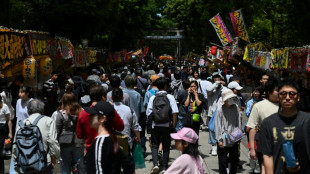 Japanese population below 120 million for first time in decades

 US actor Jared Leto denies latest accusations of sexual assault
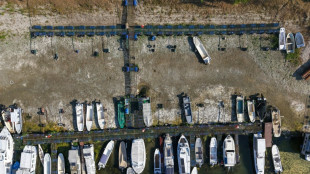 Danube drops to 'historic lows' as fresh heatwave hits

 BTS pulls out of Grammys after Asian pop category introduction

 OpenAI says rogue AI agent attack hit other companies

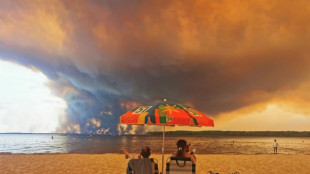 How an AFP beach snap became emblem of Europe's wildfire summer

 TRX Spot and Perpetuals Listing Launches on Backpack, Expanding Access to the TRON Ecosystem

 Nepal's tiger numbers climb 20 percent to estimated 429: survey
 FIFA's plans to sell $4.2bn stake in its tournaments widely criticised

 BMW aims to cut 8,000 jobs by end 2027: company source

Residents in Colombia's biggest city Bogota won a much-desired reprieve from year-long water rationing Friday, with authorities announcing tough climate-induced cuts will end.
For 12 months, the capital's eight million residents have faced 24-hour water cuts every nine days, as the city tries to raise critically low reservoir levels.
Andes-nestled Bogota receives more annual rainfall than London. But increasingly extreme cycles of El Nino drought and Amazon deforestation have taken their toll on reserves.
Mayor Carlos Fernando Galan announced that from Saturday restrictions will be lifted.
"It has been the most complex crisis the city has faced in terms of water scarcity" he said, acknowledging the substantial impact on "the quality of life of Bogota's residents."
It has become a regular feature of Bogota life to keep containers ready and scramble late in the evening to store water for cooking or bathing the next day.
Briceida Torres had to fill buckets and carry them for household chores. "Obviously, it is inconvenient," she told AFP.
Car wash owner Benjamin Nunez Fletcher said he has learned to use "rainwater and filters... to keep the business running."
The restrictions are estimated to have lowered the city's average water consumption by more than eight percent -- from 17.7 cubic meters per second to 16.2.
While climate change has worsened the city's water woes, Andres Torres, director of the Water Institute at Javeriana University in Bogota, said cuts were like an x-ray exposing poor resource management over years.
"They penalized the population because they didn't do what they were meant to," he said.
O.Ignatyev--CPN