-
 Kenya's economy faces climate change risks: World Bank
-
Four Al-Fayed survivors told they were trafficking victims

-
 Trump says US support for Japanese yen a 'signal of friendship'
-
Brazil's Lula, 80, says 'in great shape' as he launches fourth term bid

-
 Handbag tosses and high-heeled sprints: Amsterdam celebrates Drag Olympics
-
South Korea records its highest-ever temperature of 42.5C

-
 Baltics transform from Soviet stagnation to startup hubs
-
AI keeps consumer prices high in 'RAMaggedon' chip crunch

-
 Five of Cuba's 15 provinces without power as grid fails again
-
Baltic startups take aim at deterring Russia on NATO's eastern flank
-
 OPEC+ tipped to raise production again but new quotas loom
-
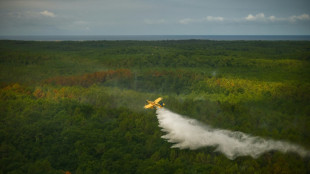
France's largest wildfire in decades 'under control', says minister
-
 South Korea baseball league cancels two games over heatwave
-
Warsaw and Kyiv exhume Volyn victims at centre of diplomatic quarrel
-
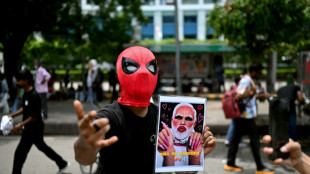 India PM Modi says he forgives protesters who abused him
-
California lifeguards wiped out from extreme weather

-
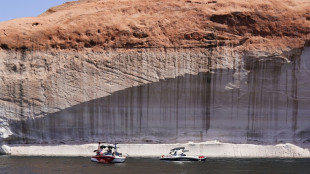 US plans steep water cuts for southwest amid Colorado River crisis
-
Amazon surges as US stocks shrug off bond yield worries

-
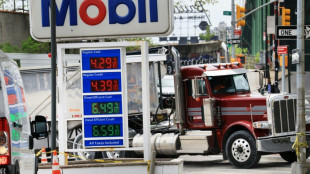 Oil giants report blowout profits on war, warn high gas prices could persist
-
Hungary to shut nuclear plant as heatwave hits central Europe
-
 Google launches new satellite image AI tool, alarming researchers
-
Tech-fuelled rally fizzles as oil prices rise
-
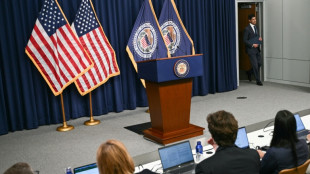 US Fed dissenters call for rate hikes over sustained inflation
-
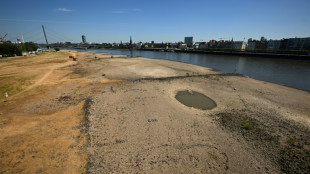
Alarm over climate-linked low level of German waterways
-
 New York sues online prediction markets giant Kalshi
-
Commerzbank agrees to talks with UniCredit after two-year standoff
-
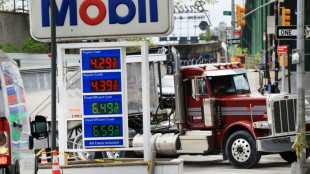 Profits surge at US oil giant amid Iran war supply shock
-
Fornaro Legal Releases Guidance to Help Businesses Maintain Clear Ownership Records During Growth

-
 Stock markets rally on tech rebound
-
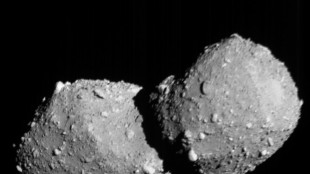
Japan probe made closest-ever asteroid flyby: space agency
-
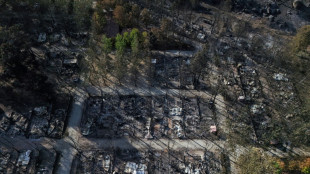 France, Spain assess scorched terrain as new wildfires threaten other regions
-
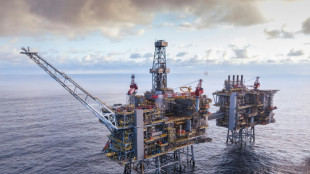
British oil giant BP aims to sell North Sea business
-
 Chipmaker Kioxia reports AI-driven 45-fold surge in quarterly net profit
-
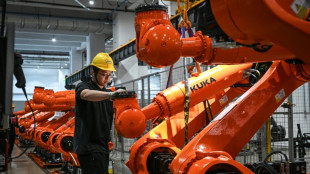
China factory activity slides as leaders seek spending boost
-
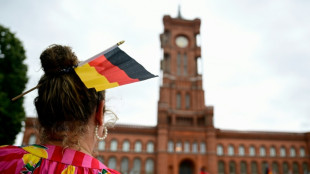 Far right and far left battle for power in polarised Berlin
-
Tech rebound fuels record-breaking rally in South Korean stocks

-
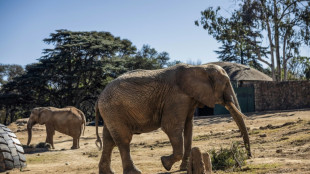 The last trio: S.Africa's zoo elephants await their fate
-
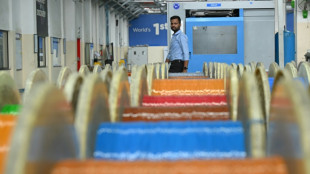
Cables and cooling bring AI windfall to Indian suppliers
-
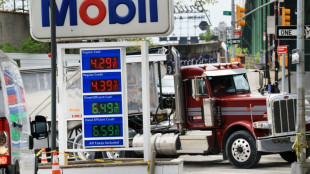 Oil industry sees war windfall but girds for political blowback
-
Anthropic's models gained unauthorized 'real-world' access during testing
-
 Amazon beats expectations with cloud and AI growth
-
Apple tops estimates in CEO Cook's final quarter, but shares fall

-
 Blowout Microsoft results lift US stocks as oil retreats
-
Milei demands expulsion of foreigners expressing 'hate' against Argentina

-
 'Beginning of the end': Relief but no party as French wildfire winds down
-
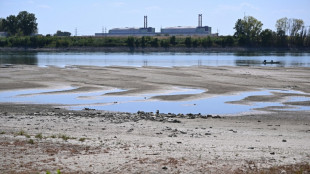
Italy's Po River valley on drought alert

-
 Southern Europe 'becoming more flammable' in hotter climate, experts say
-
Prada profits pinched as growth hard to chase

-
 Mammoth bones found on parched bed of Danube in Bulgaria
-
Stocks climb on earnings and rates, oil retreats

Iran's nuclear dilemma: peace or war?
Iran faces a dilemma: should it abandon its controversial nuclear programme in order to avoid international sanctions and avert a possible military conflict, or should it continue to insist on its right to peaceful use of nuclear energy, even if this increases the risk of war? This question has preoccupied the international community for years, and tensions have recently risen again.
Iran's nuclear programme began in the 1950s with US support under the ‘Atoms for Peace’ programme. In 1967, another reactor was delivered from the US, and in 1970 Iran ratified the Nuclear Non-Proliferation Treaty (NPT). However, after the Islamic Revolution in 1979, the programme was secretly continued. In 2002, undeclared nuclear activities were discovered, leading to an investigation by the International Atomic Energy Agency (IAEA) and international sanctions.
In 2015, the Joint Comprehensive Plan of Action (JCPOA) was signed, in which Iran committed to limiting its nuclear programme in exchange for the lifting of sanctions. In 2018, the United States withdrew from the agreement under President Trump and imposed new sanctions. Iran then began to exceed the limits set out in the JCPOA.
According to recent IAEA reports, Iran has significantly expanded its uranium enrichment. In February 2025, the country had just under 275 kilograms of uranium enriched to 60 per cent. Experts estimate that Iran is only a few months away from having enough fissile material for a nuclear bomb. According to US officials and IAEA experts, Iran has enough enriched uranium for at least three nuclear bombs and could build a primitive bomb within a few months.
Despite the tensions, efforts are being made to find a diplomatic solution. In April 2025, indirect talks between the US and Iran took place in the Sultanate of Oman. Both sides spoke of a ‘constructive and positive atmosphere’. However, Iran rejects direct negotiations with the US and insists that the US must first lift sanctions. A senior Iranian official, Ali Shamkhani, rejected a US offer to allow Iran to have a civilian nuclear programme similar to that of the UAE, arguing that Iran would not give up its right to enrich uranium. Despite the negotiations, Iran is continuing its uranium enrichment, and planned talks with the US have been cancelled, further increasing tensions.
A nuclear-armed Iran could lead to a nuclear arms race in the Middle East and threaten regional stability. There is also a risk of military conflict, which would have far-reaching consequences. The US and Israel have repeatedly threatened military strikes if Iran does not halt its nuclear programme. Some experts argue that destroying the nuclear facilities would not be enough and that a complete overthrow of the regime would be necessary to eliminate the threat.
Iran could abandon its nuclear programme and in return achieve the lifting of sanctions and a normalisation of relations with the West. Alternatively, it could continue to insist on its right to the peaceful use of nuclear energy, but this would increase the risk of further sanctions and possible military action. The decision will also be influenced by internal factors, such as the precarious economic situation and strong nationalist sentiment in the country.
Iran's nuclear dilemma remains one of the greatest challenges facing the international community. A peaceful solution requires diplomatic skill, a willingness to compromise and the trust of all parties involved. The alternative – military conflict – would be disastrous for all sides.
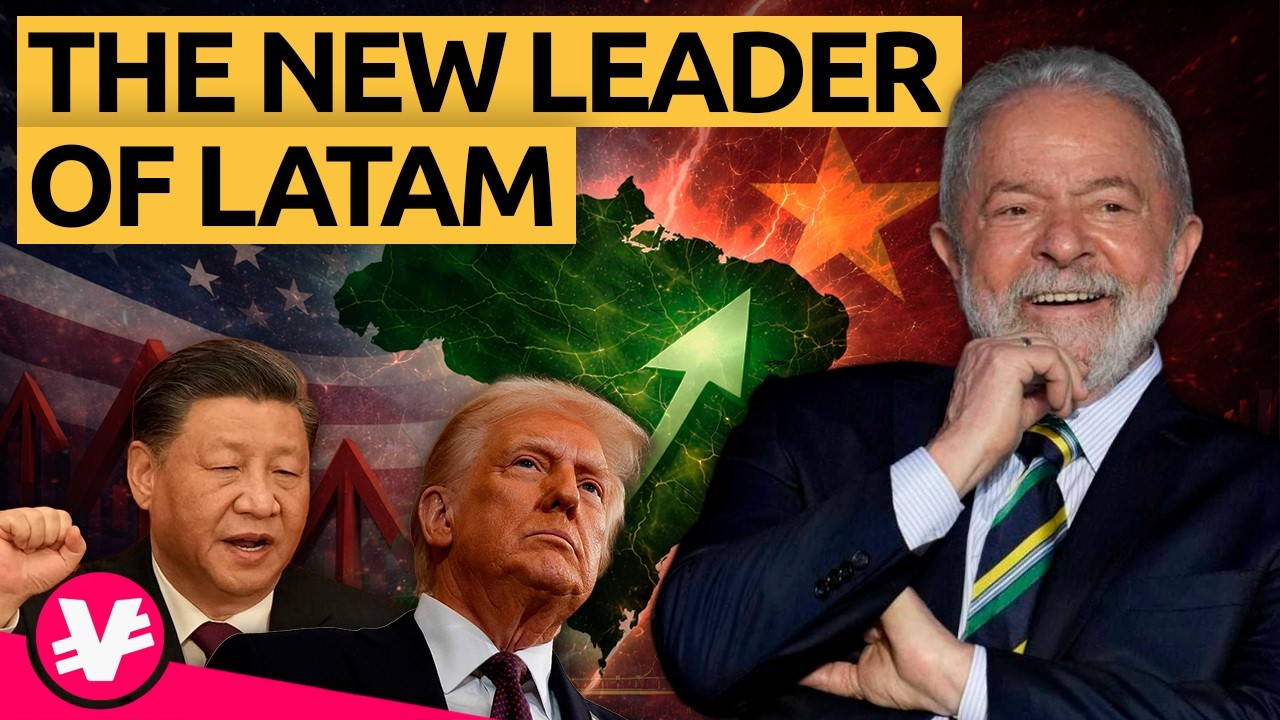
Brazil's trade-war boom
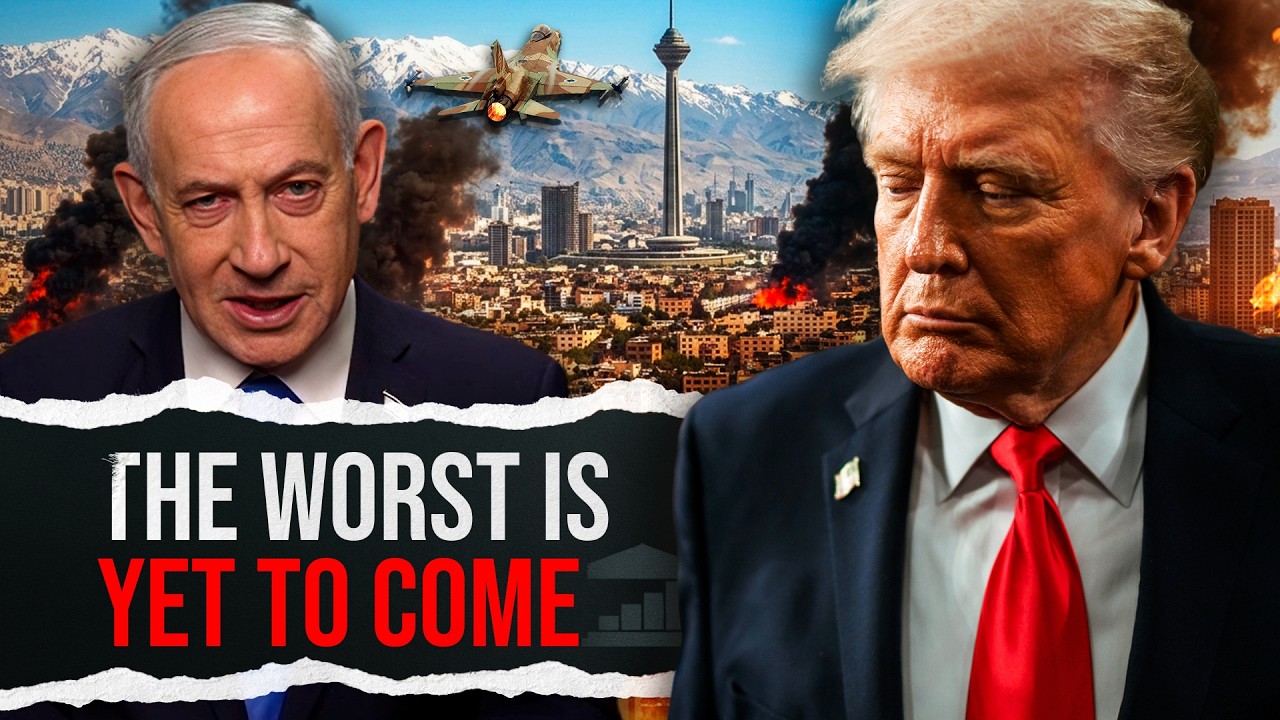
Iran's revenge rewired
Cuba's golden Goose dies
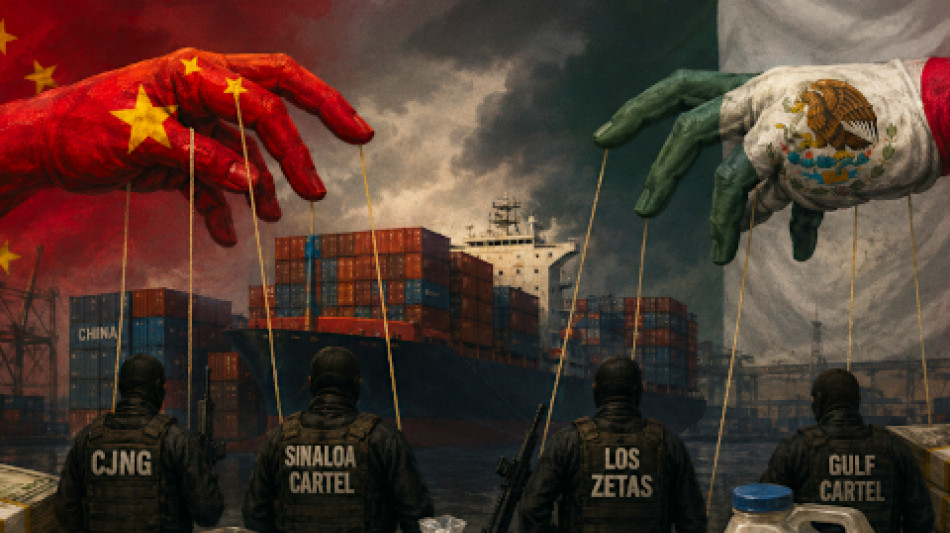
Mexico after El Mencho falls

Nicaragua on the brink?
Cuba: The Regime's last Card
Strike fears rise over Iran

U.S. Jobs stall, gdp slows

Japan’s right‑turn triumph

EU India deal gains unveiled

AI sparks Wall Street panic