-
 Kenya's economy faces climate change risks: World Bank
-
Cuba state energy firm reports new nationwide blackout
-
 Oil prices sink on Middle East hopes, yen extends gains after joint intervention
-
Four Al-Fayed survivors told they were trafficking victims
-
 Trump says US support for Japanese yen a 'signal of friendship'
-
Brazil's Lula, 80, says 'in great shape' as he launches fourth term bid
-
 Handbag tosses and high-heeled sprints: Amsterdam celebrates Drag Olympics
-
South Korea records its highest-ever temperature of 42.5C
-
 Baltics transform from Soviet stagnation to startup hubs
-
AI keeps consumer prices high in 'RAMaggedon' chip crunch
-
 Five of Cuba's 15 provinces without power as grid fails again
-
Baltic startups take aim at deterring Russia on NATO's eastern flank
-
 OPEC+ tipped to raise production again but new quotas loom
-
France's largest wildfire in decades 'under control', says minister
-
 South Korea baseball league cancels two games over heatwave
-
Warsaw and Kyiv exhume Volyn victims at centre of diplomatic quarrel
-
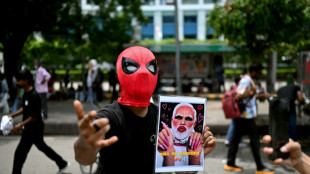 India PM Modi says he forgives protesters who abused him
-
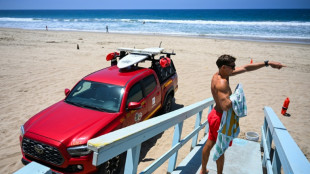
California lifeguards wiped out from extreme weather
-
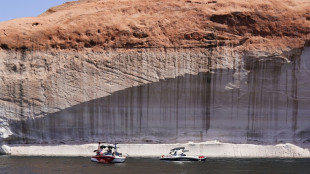 US plans steep water cuts for southwest amid Colorado River crisis
-
Amazon surges as US stocks shrug off bond yield worries

-
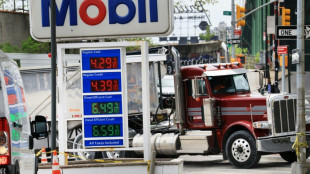 Oil giants report blowout profits on war, warn high gas prices could persist
-
Hungary to shut nuclear plant as heatwave hits central Europe
-
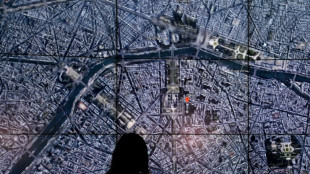 Google launches new satellite image AI tool, alarming researchers
-
Tech-fuelled rally fizzles as oil prices rise
-
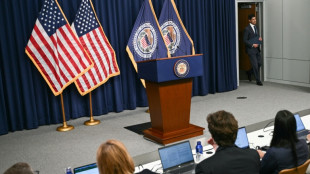 US Fed dissenters call for rate hikes over sustained inflation
-
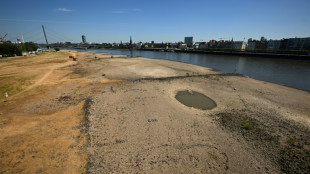
Alarm over climate-linked low level of German waterways
-
 New York sues online prediction markets giant Kalshi
-
Commerzbank agrees to talks with UniCredit after two-year standoff
-
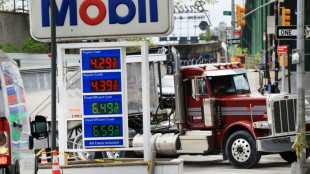 Profits surge at US oil giant amid Iran war supply shock
-
Fornaro Legal Releases Guidance to Help Businesses Maintain Clear Ownership Records During Growth
-
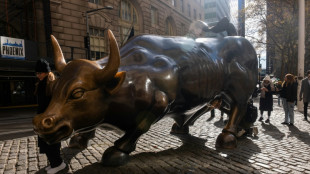 Stock markets rally on tech rebound
-
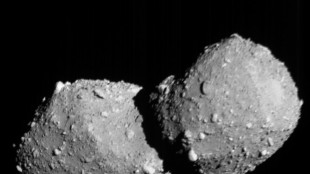
Japan probe made closest-ever asteroid flyby: space agency
-
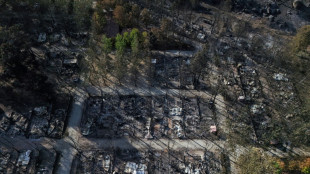 France, Spain assess scorched terrain as new wildfires threaten other regions
-
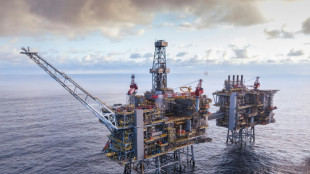
British oil giant BP aims to sell North Sea business
-
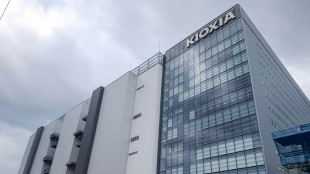 Chipmaker Kioxia reports AI-driven 45-fold surge in quarterly net profit
-
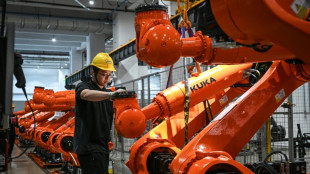
China factory activity slides as leaders seek spending boost
-
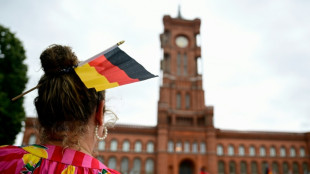 Far right and far left battle for power in polarised Berlin
-
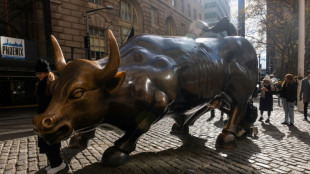
Tech rebound fuels record-breaking rally in South Korean stocks
-
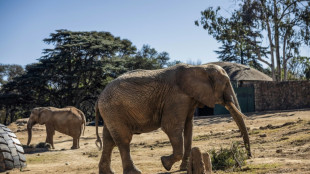 The last trio: S.Africa's zoo elephants await their fate
-
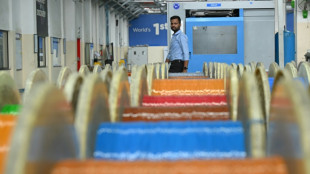
Cables and cooling bring AI windfall to Indian suppliers
-
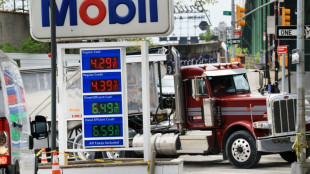 Oil industry sees war windfall but girds for political blowback
-
Anthropic's models gained unauthorized 'real-world' access during testing
-
 Amazon beats expectations with cloud and AI growth
-
Apple tops estimates in CEO Cook's final quarter, but shares fall

-
 Blowout Microsoft results lift US stocks as oil retreats
-
Milei demands expulsion of foreigners expressing 'hate' against Argentina

-
 'Beginning of the end': Relief but no party as French wildfire winds down
-
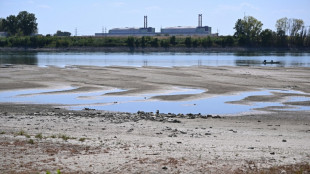
Italy's Po River valley on drought alert

-
 Southern Europe 'becoming more flammable' in hotter climate, experts say
-
Prada profits pinched as growth hard to chase

Pope Francis: A Transformative Legacy
The Catholic Church mourns the loss of Pope Francis, who passed away on 21 April 2025 at the age of 88, leaving behind a legacy that reshaped the Church and touched the world. Born Jorge Mario Bergoglio in Buenos Aires, Argentina, he was the first Jesuit, the first Latin American, and the first non-European pontiff in over 1,200 years. His death, caused by a stroke, marked the end of a 12-year papacy defined by bold reforms, profound compassion, and inevitable controversies.
Francis ascended to the papacy in 2013, following the historic resignation of Pope Benedict XVI. From his first appearance on the balcony of St. Peter’s Basilica, where he chose the name Francis in homage to St. Francis of Assisi, he signalled a departure from tradition. Eschewing the opulent Apostolic Palace for a modest residence in Casa Santa Marta, he embodied humility. His early words, asking the crowd to pray for him, set the tone for a papacy rooted in accessibility and service.
His transformative vision centred on a “poor Church for the poor.” Francis prioritised the marginalised, visiting prisons, washing the feet of inmates, and advocating for refugees and the homeless. His 2015 encyclical, Laudato Si’, was a clarion call for environmental stewardship, urging global action on climate change and sustainable living. This landmark document resonated beyond the Catholic faithful, earning praise from world leaders and environmentalists alike. His commitment to interfaith dialogue also broke new ground. The 2019 Document on Human Fraternity, co-signed with the Grand Imam of Al-Azhar, Ahmad Al-Tayyeb, promoted peace and coexistence, while his historic visits to Iraq and Indonesia furthered ecumenical ties.
Francis sought to modernise the Church through the Weltsynode, a global reform process launched in 2021. For the first time, laypeople and women were given voting rights at the 2023 Synod of Bishops, a move hailed by progressives as a step towards inclusivity. He appointed women to senior Vatican roles, challenging the Church’s male-dominated hierarchy. Yet, his refusal to ordain women as priests or deacons disappointed those hoping for deeper doctrinal change, highlighting the delicate balance he struck between reform and tradition.
His papacy was not without shadows. The ongoing clergy abuse scandal cast a long pall. While Francis expressed deep sorrow and implemented measures to address the crisis, critics argued he was too slow to act decisively. His handling of cases, such as those involving high-profile clerics, drew scrutiny. Geopolitically, his outspoken criticism of Israel’s actions in Gaza strained Vatican-Israel relations, and his failure to sway the Russian Orthodox Patriarch Kirill on the Ukraine war underscored the limits of his influence. Within the Church, ultraconservative factions opposed his reforms, with some accusing him of diluting doctrine. His decision to sign a document affirming the diversity of religions sparked fierce debate, with critics claiming it undermined Catholic exclusivity.
Francis’s personal struggles added complexity to his tenure. Health challenges, including a prolonged hospital stay for pneumonia in early 2025, tested his resilience. Yet, even in his final days, he remained active, attending Easter services and visiting his beloved Basilica of Santa Maria Maggiore, where he will be laid to rest on 26 April 2025, per his wishes for a simple burial. His choice of this basilica, rather than St. Peter’s, reflects his lifelong devotion to humility and his connection to the Marian icon Salus Populi Romani.
Tributes poured in from across the globe. World leaders, including French President Emmanuel Macron and US President Joe Biden, lauded his compassion and advocacy for the vulnerable. Hollywood figures like Martin Scorsese and Leonardo DiCaprio praised his moral leadership, while Argentina declared seven days of national mourning. In Rome, tens of thousands gathered at St. Peter’s Square, where his body was displayed for public homage until Friday, before a funeral attended by global dignitaries.
As the Vatican prepares for the conclave to elect the 267th pope, the Church stands at a crossroads. Francis’s reforms have opened doors, but his unfinished agenda—on women’s roles, abuse accountability, and doctrinal evolution—leaves his successor a daunting task. His papacy, a beacon of hope for many, was a tightrope walk between progress and tradition, light and shadow. His legacy endures as a call to compassion, a challenge to power, and a vision of a Church closer to the people it serves.

Zelenskyy anti-graft gamble

Seven-Day Sanctions Showdown

Trump vs. EU: A good deal?
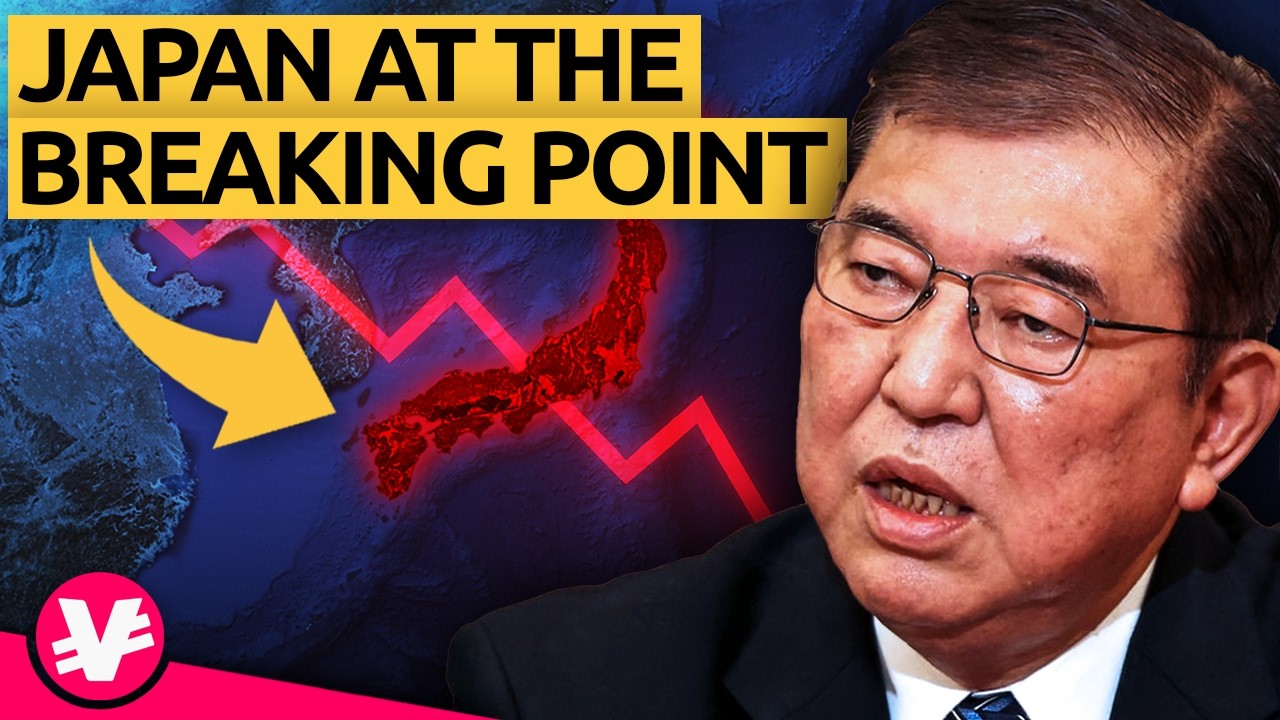
Japan's financial precipice
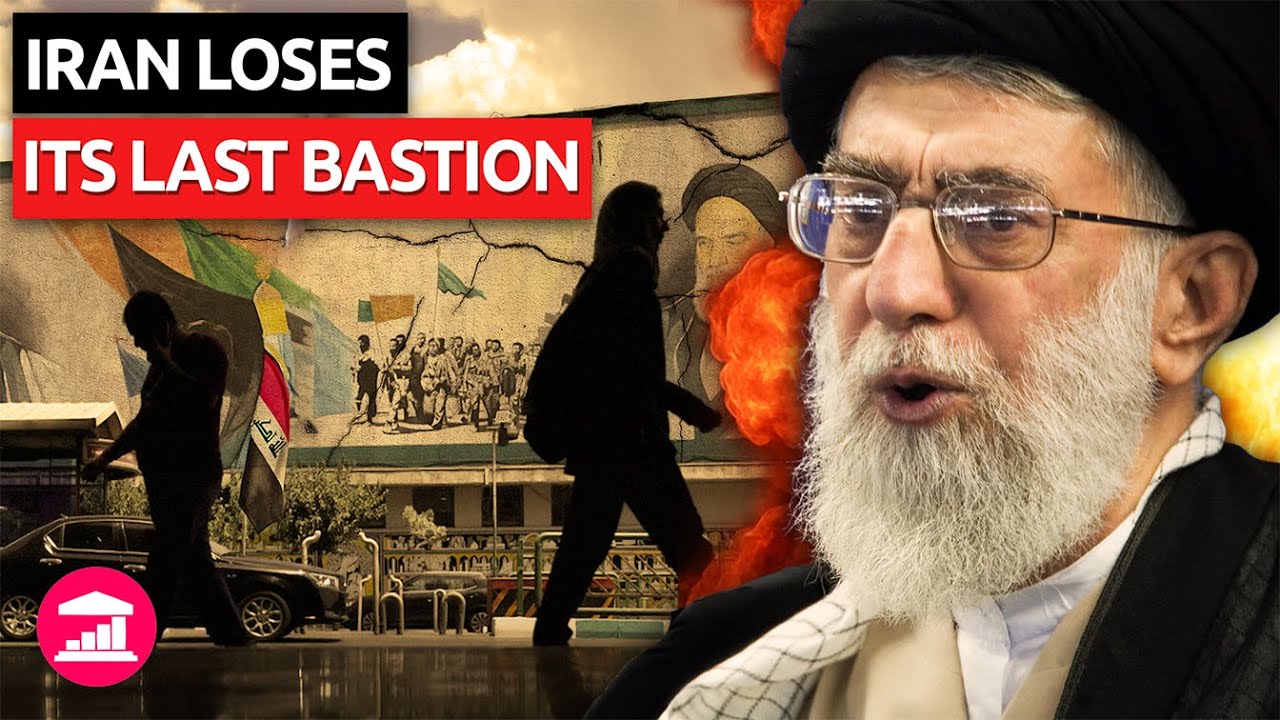
Iraq vs. Iran – The end?
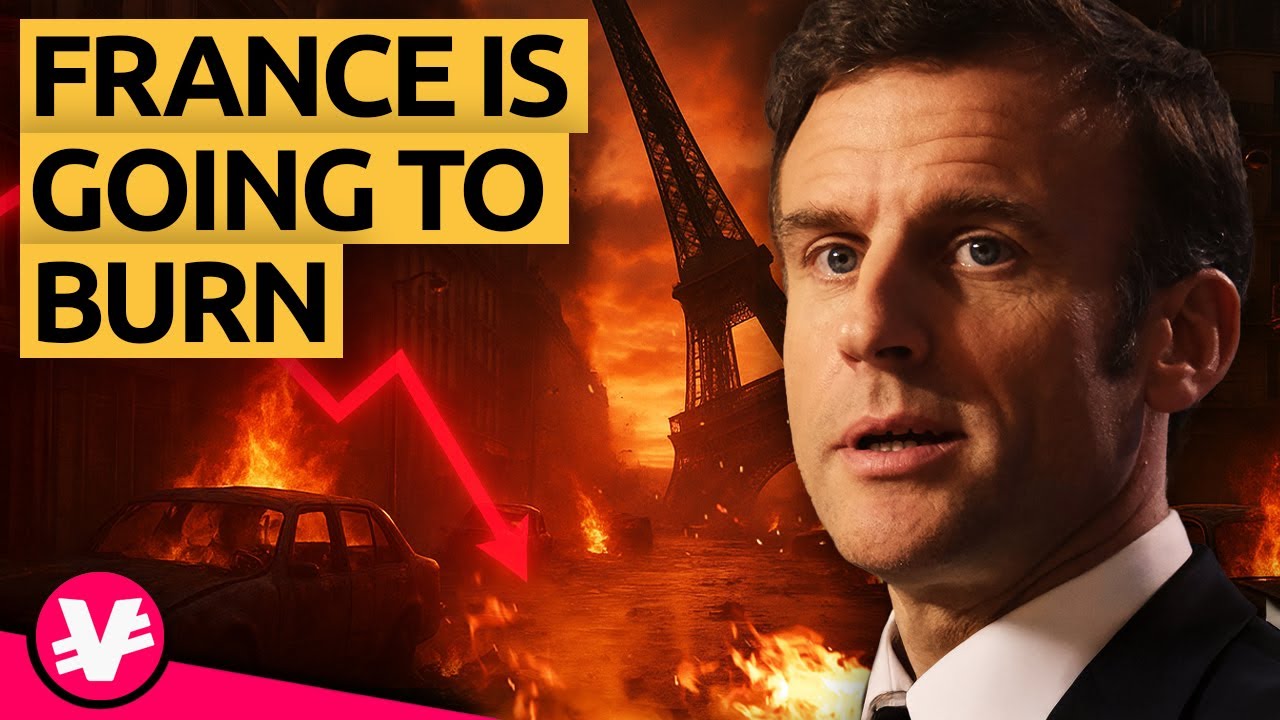
France's debt is growing
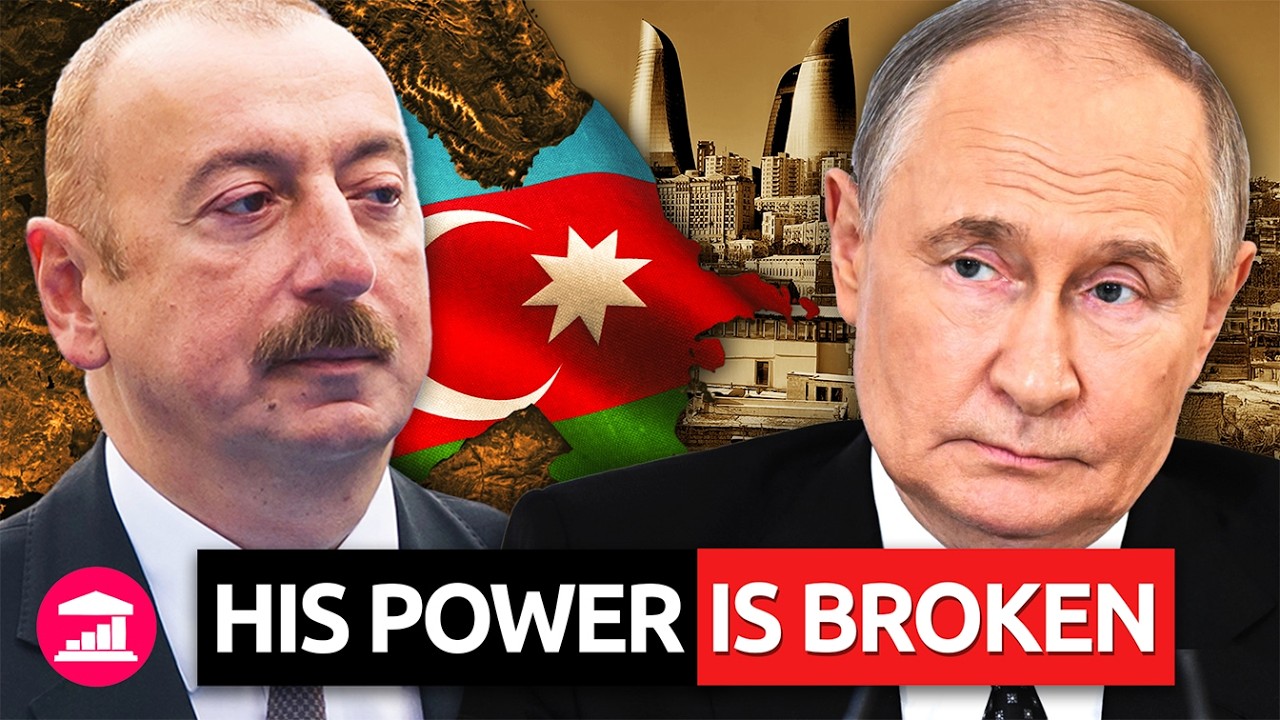
Azerbaijan defies Russia
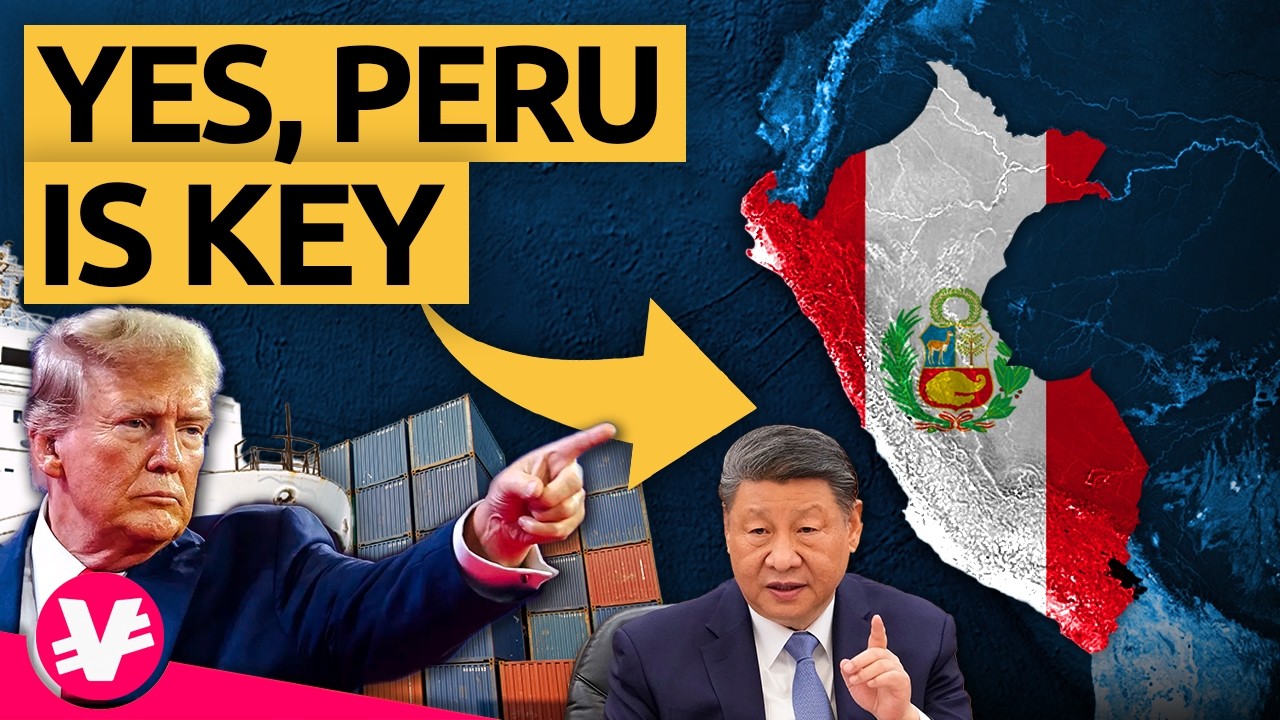
Geopolitics: Peru's balancing act
Spain defies NATO's 5% goal
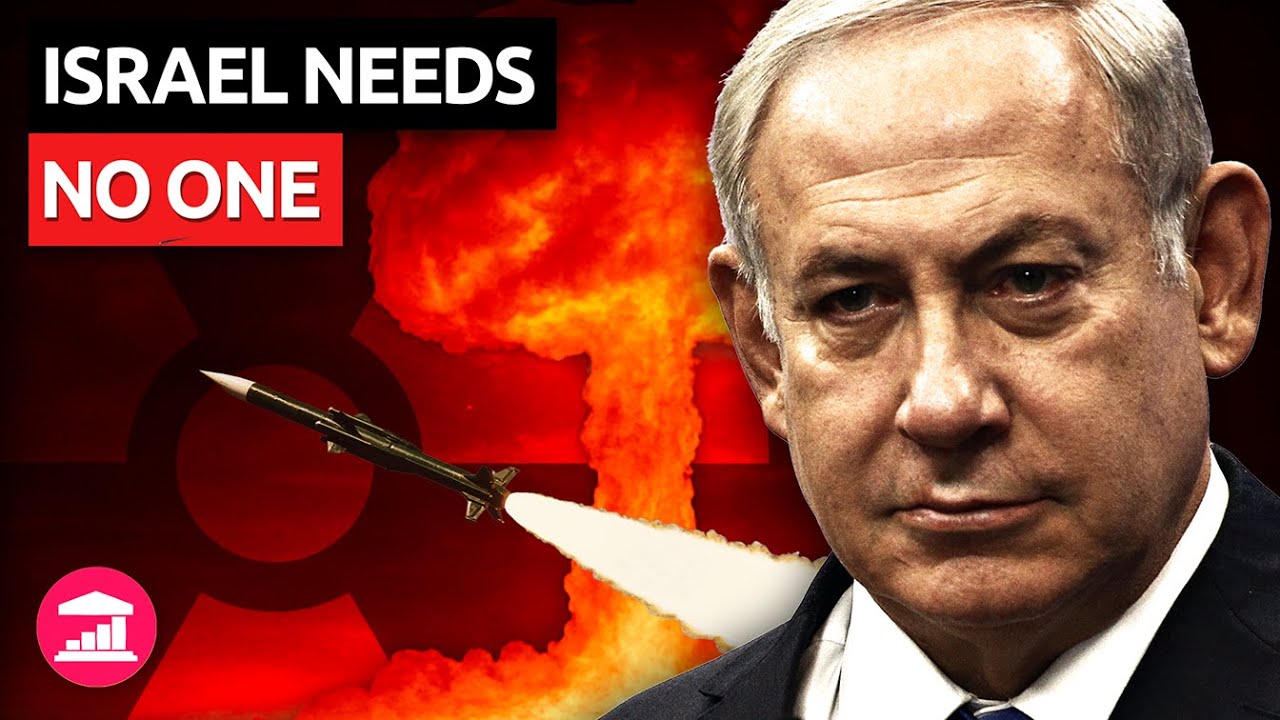
Israel's Covert Nuclear Rise
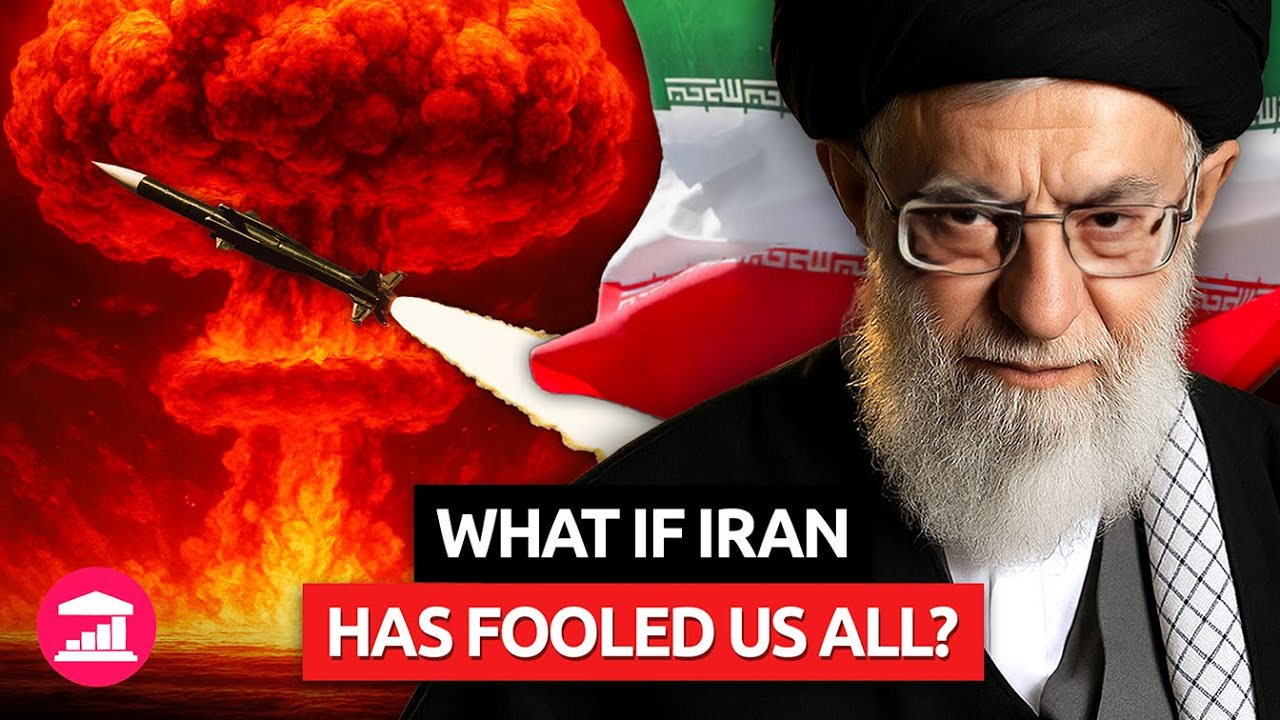
Iran's Nuclear Ambitions