-
 iPhone 18預購後出現可疑扣款 四間銀行調查未授權交易
-
Can We Predict Volcanic Eruptions Like Weather? Scientists Seek Unified Physics

-
 Galaxy Tab S12系列效果圖曝光 Ultra擬配雙鏡頭及瀏海螢幕
-
اليورو يستقر في البنوك المصرية وأعلى سعر للبيع 59.85 جنيه

-
 Altman tells Fortune OpenAI will not go public in 2026
-
الأرصاد السعودية تتوقع سيولاً وأمطاراً رعدية في خمس مناطق

-
 ستاندرد آند بورز تثبت تصنيف السعودية عند A+
-
Lights out in Laos as electricity exports surge

-
 Steven Strogatz weighs AI mathematics advances and their consequences for researchers
-
Anthropic details Claude misuse as US targets major illicit online marketplace

-
 Venezuelans outside Caracas say capital not sharing blackout burden
-
Anthropic boss calls for AI slowdown, Altman and Musk agree

-
 Anthropic boss calls for slowing pace of AI development
-
French IT giant Capgemini sells subsidiary after row over ICE links

-
 BRICS nations urge 'maximum restraint' in Middle East war
-
Quebec Brokerage Qubit Insurance Announces New Data on Coverage Shortfalls as Rebuilding Costs Rise

-
 Europe eyes battle over 'pervert' AI glasses
-
Lady Gaga welcomes first child with fiance: US media

-
 Children in flood-hit Nepal grapple with loss, cling to hope
-
Bhutan business bets on hazelnuts for farming future

-
 Venice Film Festival: A look back on the highlights
-
'Widow's Bay' and 'The Pitt' are favorites for Emmys night

-
 DR Congo school fire stampede death toll rises to 26: UNICEF
-
Coastal erosion forces cancellation of California music festival

-
 Dance Fitness Tempe Announces Expansion of Accessible Digital Movement Programs
-
Argentina's Dirty War rears its head in Venice film

-
 Europe saw record summer air traffic despite Mideast war: Eurocontrol
-
UK lawmakers throw out bill to legalise assisted dying

-
 Relatives of 9/11 victims hit out at Saudi Arabia -- and US leaders
-
US inflation steady in August, fueling Fed rate hike expectations

-
 Relative of 9/11 victim unleashes searing attack on Saudi Arabia
-
New York marks 25th anniversary of 9/11 attacks

-
 Czech antitrust office lets Turkey's Pegasus Airlines buy Smartwings
-
Nepal flood reconstruction bill to be $4.78 bn: foreign ministry

-
 Investors on edge as energy costs, surging bond yields roil markets
-
JUMO and Standard Bank launch Social Finance Framework to scale inclusive finance in Africa

-
 UK lawmakers to vote again on failed assisted dying bill
-
Doomsday tech: could AI really kill us all?

-
 Yemen's Houthis complete takeover of Bab al-Mandab area: govt official to AFP
-
French comedy show 'Call my agent' makes film comeback

-
 Fast-pace dance takes I.Coast's working-class streets by storm
-
It's all coming back: Celine Dion fans gear up for Paris return

-
 Fans celebrate Celine Dion's Paris return with giant karaoke
-
Researchers eye AI revolution in natural disaster forecasts

-
 Appreciation, anger await as Trump heads to Irish golf resort
-
US braces for inflation report that may push Fed to hike rates

-
 Putin arrives in India for BRICS summit coloured by wars
-
Musk threatens legal action over documentary

-
 Carney says in touch with Trump, Canada ready for 'fair' trade deal
-
Latin America fact-check group asks Meta not to replace verification practice

Boomers: Selfish or Scapegoats?
The debate over whether the Baby Boomer generation—those born between 1946 and 1964—deserves the label of "the most selfish generation in history" has intensified in recent years. Critics argue that Boomers have prioritised their own comfort and prosperity at the expense of future generations, while defenders point to their contributions to social progress and economic growth. This article explores both sides of the argument, drawing on economic, social, and cultural factors to assess the validity of the claim.
A Generation of Prosperity
The post-World War II era was a time of unprecedented economic growth, particularly in Western nations. Boomers grew up in a period of relative stability and prosperity, benefiting from expanding educational opportunities, affordable housing, and a booming job market. This generation was the first to enjoy the fruits of modern consumer culture, with access to new technologies, healthcare advancements, and a welfare state that provided a safety net. However, this prosperity has been criticised as a double-edged sword. While Boomers thrived, they are accused of failing to address long-term challenges such as climate change, economic inequality, and the sustainability of social security systems. The argument goes that their focus on short-term gains has left younger generations—particularly Millennials and Generation Z—facing a future of environmental degradation, housing crises, and precarious employment.
The Burden of Debt
One of the most frequently cited examples of Boomer selfishness is their approach to public debt. Over the past few decades, national debts have soared in many countries, driven by policies that prioritised tax cuts, increased spending on entitlements, and economic stimulus measures. Critics argue that Boomers, who have held political and economic power during this period, have been complicit in passing on this financial burden to future generations. The rising cost of healthcare, pensions, and social security, combined with stagnating wages for younger workers, has fuelled resentment. In some nations, national debt has increased dramatically since the turn of the century, a period during which Boomers dominated leadership positions. This fiscal irresponsibility, some argue, reflects a generational disregard for the future.
The Housing Divide
Housing is another area where Boomers are accused of hoarding wealth. In many developed countries, property prices have skyrocketed, making homeownership increasingly unattainable for younger generations. Boomers, who bought homes when prices were relatively low, have seen their property values soar, creating a wealth gap that is difficult for Millennials and Gen Z to bridge. Over the past few decades, average house prices have risen significantly while wages have remained largely stagnant. This has led to accusations that Boomers have pulled up the ladder behind them, benefiting from policies that favoured property ownership while younger generations are left renting or struggling to save for deposits.
A Legacy of Progress
However, it would be unfair to paint the entire generation with the same brush. Boomers have also been responsible for significant social progress. The civil rights movements of the 1960s and 1970s, which fought for racial equality, gender rights, and LGBTQ+ inclusion, were largely driven by Boomer activists. Their contributions to technology, healthcare, and education have also been transformative. The digital revolution, which laid the foundation for the modern internet and communication technologies, was spearheaded by Boomer innovators. Moreover, many Boomers have engaged in philanthropy and community service, challenging the notion that they are universally selfish.
Generational Perceptions
Another important factor to consider is the role of generational differences in shaping perceptions of selfishness. Younger generations, facing economic uncertainty and environmental crises, may view Boomers' actions through a lens of frustration. However, it is worth noting that every generation has faced criticism from its successors. The Silent Generation, who preceded the Boomers, were often derided for their conformity and conservatism, while Millennials have been labelled as entitled and overly reliant on technology. This cyclical nature of generational criticism suggests that the "selfish" label may be more a reflection of changing societal values than an objective truth.
Structural Influences
Furthermore, the accusation of selfishness overlooks the structural factors that have shaped Boomer behaviour. The economic policies of the late 20th century, particularly the rise of neoliberalism, encouraged individualism and short-term thinking. Boomers, like all generations, were influenced by the prevailing ideologies of their time. The shift towards deregulation, privatisation, and globalisation was not solely a Boomer creation but a broader political and economic trend. To single out Boomers as uniquely selfish ignores the complex interplay of historical forces that have shaped modern society.
Conclusion
In conclusion, while there is evidence to suggest that the Boomer generation has benefited disproportionately from economic and social conditions, labelling them as "the most selfish generation in history" is an oversimplification. Their contributions to social progress and innovation cannot be ignored, nor can the structural factors that have influenced their behaviour. The intergenerational debate is likely to continue, but it is essential to approach it with nuance, recognising that each generation operates within the constraints and opportunities of its time.

Truth: The end of the ‘Roman Empire’

US: Trump begins mass deportations!

Russia and the terrorism against Ukraine

Iran lifts Dollar, sinks Euro

Is that Israel's final blow?

Iran and the holy War risk
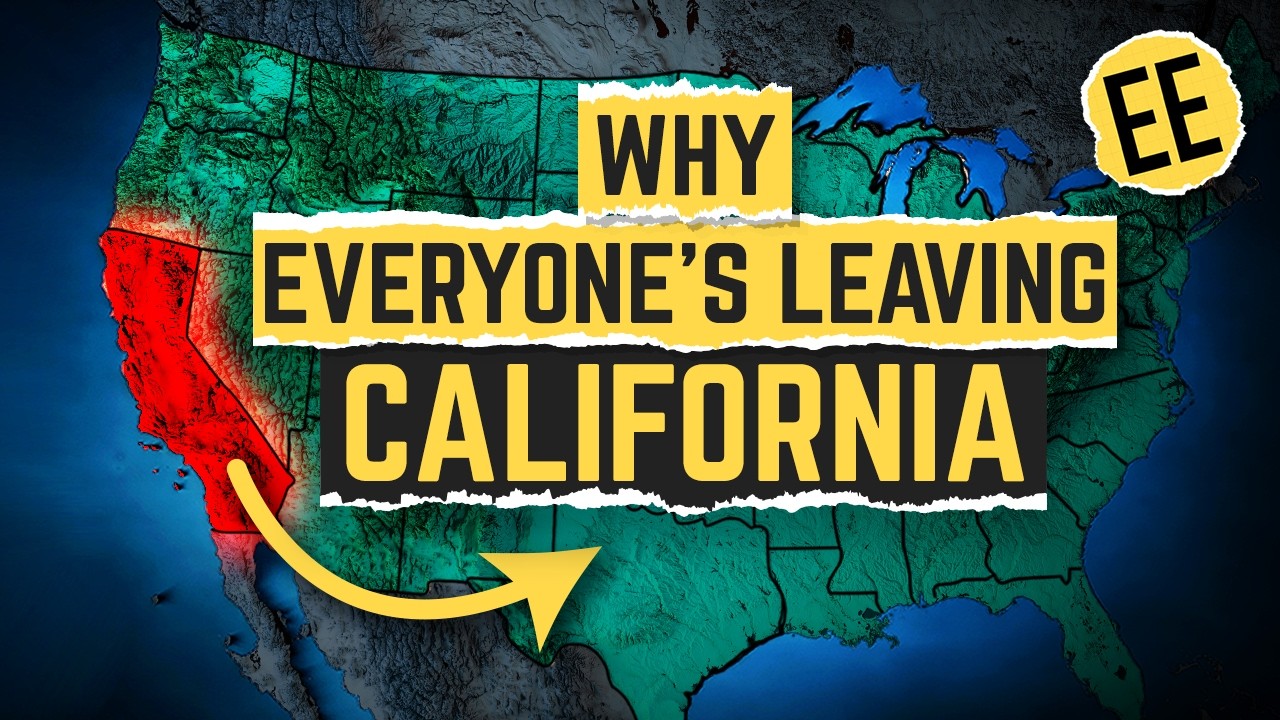
California's Economy: Not Broken

Malaysia's Strategic Ascent

North Korea Infiltrates Economy

Israel presses Tehran

Houthis and al-Qaeda