-
 Modi pitches India as global chipmaking hub
-
King Charles to call on tech giants for 'reassurances' over AI

-
 Ukraine plans record defence spending in 2027
-
STARPRIME Responds to Diverging Gold Market Demand with AM/PM Fixing and XAU24/7

-
 NASA scan discovers new, 'once in a century' Moon crater
-
Where the US-China tariff row stands ahead of White House summit

-
 Most stocks rise as Fed hikes and indicates drive to curb inflation
-
Indonesia cash-for-photos scheme turns animal hunters into protectors

-
 UK-Sudanese author pens book to give children 'African history of Africa'
-
Argentine judge orders suspension of Falklands oil project

-
 US Congress passes sweeping Russia sanctions bill
-
US Fed raises rates to tackle 'too high' inflation, irking Trump

-
 US stocks fall, dollar gains after Fed lifts interest rates
-
Turkey releases 106 protesters, jails more LGBTQ activists

-
 US Fed raises rates to tackle 'too high' inflation in move sure to rile Trump
-
Candidate for UN chief calls for AI regulation akin to nuclear weapons

-
 US Fed raises rates to battle inflation in move likely to rile Trump
-
'We're losing control,' AI pioneer Yoshua Bengio tells AFP

-
 US House faces test on sweeping Russia sanctions bill
-
IR-MED and Dice Technologies Announce collaboration to Evaluate and Advance Pressure-Injury Prevention Platform in Japan

-
 British PM says to make 'difficult decisions' as inflation rises
-
Watts, Pitt, Cruz to light up Spain's top film festival

-
 Global fuel price demos: a round-up
-
Toogood Gold's Table Mountain Sits in the Shadow of a Nevada Gold Rush

-
 Leverate Launches MCP for Traders to Connect AI Assistants With Trading Platforms
-
MEXC July–August Security Report: 38.66M USDT in Risk Funds Intercepted, Futures Insurance Fund Hits 792M USDT

-
 MEXC Launches $1M "Discover Your Wall Street DNA" Campaign to Help Traders Find Their Market Fit
-
Emporio Armani names Dario Vitale new creative director

-
 Stocks edge higher ahead of US Fed rate call
-
EU to ban social media for under 13s, curb access until 15

-
 BASIS.pro Expands On-Chain Infrastructure with XDC Network Partnership and Zypher DAO as Auto Earn Goes Live
-
Wildfires push endangered Sumatran elephants to brink: Indonesian NGO

-
 Pickle-flavoured tart? AI inspires Japan's convenience stores
-
Bank of Japan set to raise rates under pressure from inflation, US

-
 EU chief hosts Canada's Carney in push to 'deepen' alliance
-
EU chief to unveil social media, gaming curbs for under-15s

-
 Meta chief pushes back on AI slowdown calls
-
'Resident Evil' film brings video game's ethos to the big screen

-
 US Fed to deliver rate decision with markets betting on hike
-
GA-ASI Mojave First UAS To Complete Battlefield Short Field Ops

-
 i-payout Expands U.S. Money Transmitter Licensing Footprint and Advances European EMI Strategy
-
Sanders, Bannon warn of AI dangers in rare US left-right alignment

-
 US Senate crypto bill collapses amid partisan deadlock
-
Empty benches as schools reopen in Venezuela's quake-hit Guaira

-
 OpenAI, Anthropic and Google are working to create an AI standards body
-
Tiny English village holds 'independence' vote over asylum seeker housing

-
 Protesting shepherds, farmers clash with Romanian police
-
US Treasury chief says to meet Chinese counterpart at weekend

-
 Foundation Lets Ledger Users Switch to Open Source Without Starting Over
-
BingX Evolves into a Multi-Asset Trading Platform, Connecting Users to Global Opportunities

Israel escalates War to crush Hamas
Israel has intensified its military campaign in the Gaza Strip, declaring an unwavering resolve to eradicate Hamas, the Palestinian militant group, regardless of the consequences. This latest escalation, which shattered a fragile ceasefire established in January, has plunged the region into renewed violence, with devastating tolls reported on both sides. Israeli Prime Minister Benjamin Netanyahu and Defence Minister Israel Katz have reiterated that the destruction of Hamas and the release of all remaining hostages are non-negotiable objectives, signalling a shift to an uncompromising strategy.
The ceasefire, brokered after 15 months of relentless conflict, collapsed on 18 March when Israel launched a series of surprise airstrikes across Gaza. According to Gaza’s Health Ministry, more than 400 Palestinians were killed in the initial 24 hours alone, marking it the deadliest day since 2023. The Israeli Defence Forces (IDF) claimed the strikes targeted Hamas "terror infrastructure," including senior officials such as Essam Addalees, the de facto head of Hamas’s government in Gaza, and Mahmoud Abu Watfa, a high-ranking security official. Hamas confirmed these losses but condemned the attacks as assaults on "defenceless civilians," urging international mediators to intervene.
Israel’s renewed offensive follows weeks of stalled negotiations over extending the ceasefire’s second phase, which aimed to secure the release of approximately 59 hostages still held by Hamas from the 251 abducted during the group’s 7 October 2023 attack. Israel demanded that Hamas free half the captives as a precondition, a proposal the group rejected, insisting on a full Israeli withdrawal from Gaza and a permanent truce. Netanyahu, addressing the nation, stated, "From now on, Israel will act against Hamas with increasing military force until it no longer poses a threat." Katz echoed this sentiment, warning that "the gates of hell will open in Gaza" if Hamas fails to comply.
The military strategy has expanded beyond airstrikes. On 19 March, the IDF resumed ground operations in central and southern Gaza, retaking the Netzarim Corridor—a strategic bisecting line—previously relinquished during the truce. Reports indicate Israel is preparing to deploy additional troops, including a division recently active in Lebanon, to intensify the ground offensive. Defence Minister Katz has also alluded to implementing "US President Trump’s voluntary transfer plan" for Gaza’s two million residents, a controversial proposal to relocate Palestinians elsewhere, which the Palestinian Authority and Hamas have decried as "ethnic cleansing."
The human cost has been staggering. Gaza health officials report over 49,500 Palestinian deaths since the war began, with the latest strikes adding hundreds more, including children and civilians. A notable incident on 22 March saw an Israeli airstrike on Khan Younis’ Nasser Hospital kill two, including a 16-year-old boy and Ismail Barhoum, a Hamas political bureau member, sparking outrage over the targeting of medical facilities. Israel justified the strike, asserting it hit a Hamas operative within the hospital, a claim consistent with its narrative of blaming civilian casualties on Hamas’s use of populated areas.
Internationally, reactions have been swift and polarised. The United States, under President Donald Trump, has expressed staunch support, with White House Press Secretary Karoline Leavitt affirming that "Hamas will see a price to pay." Conversely, Egypt, Qatar, and the United Arab Emirates—key mediators—condemned the assault, warning of catastrophic repercussions. The United Nations has highlighted the illegality of forced displacement under international law, while protests in Jerusalem reflect domestic dissent, with families of hostages accusing Netanyahu of abandoning their loved ones.
Despite the heavy toll inflicted, Hamas has shown resilience. Israeli and Palestinian sources acknowledge the group’s ability to absorb losses and maintain governance, with rocket attacks on Tel Aviv resuming on 20 March—the first since the ceasefire’s collapse. Analysts suggest that while Israel’s military superiority is undeniable, eradicating Hamas entirely may prove elusive given its deep-rooted presence in Gaza.
As the conflict escalates, the international community braces for a protracted war. Netanyahu’s pledge that this is "only the beginning" underscores Israel’s determination, but at what cost—to both Palestinians and its own citizens—remains a question that looms large over this unrelenting crisis.
Taiwan: Is the "Silicon Shield" collapsing?

Israel presses Tehran

Germany doesn't want any more migrants?
Russia's "Alliance" in the Balkans is sinking
Ukraine: Problem with the ceasefire?

Nuclear weapons for Poland against Russia?
Canada challenges Trump on Tariffs
Trump, Putin and the question: What now?
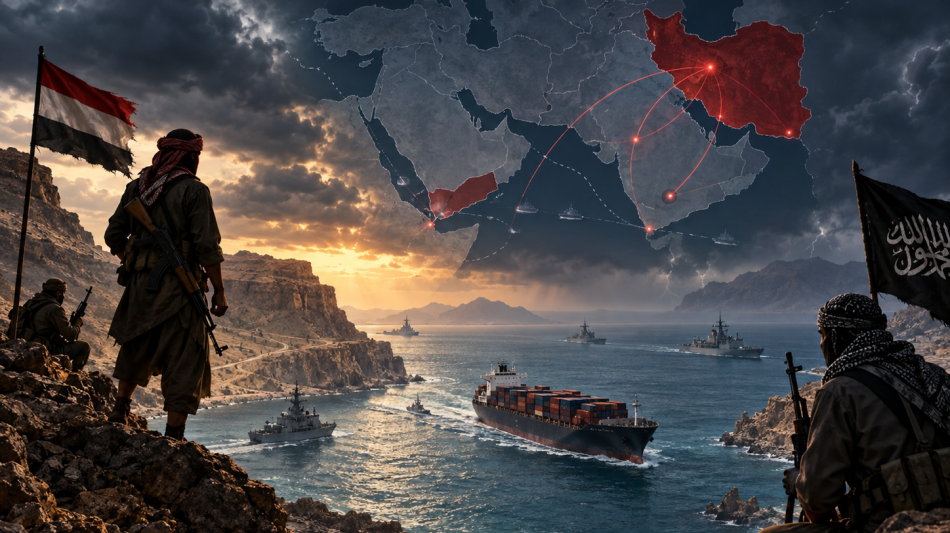
Houthis and al-Qaeda
Calm or Chaos: Iran’s reach

EU: Greenpeace warns of dying farms