-
 Germany urges EU action against China to defend carmakers
-
Nepal floods among 'most challenging' disasters: WFP

-
 Japan eyes changing prostitution law to punish sex buyers
-
Kids and social media: what would change under new EU law

-
 Modi pitches India as global chipmaking hub
-
King Charles to call on tech giants for 'reassurances' over AI

-
 Ukraine plans record defence spending in 2027
-
STARPRIME Responds to Diverging Gold Market Demand with AM/PM Fixing and XAU24/7

-
 NASA scan discovers new, 'once in a century' Moon crater
-
Where the US-China tariff row stands ahead of White House summit

-
 Most stocks rise as Fed hikes and indicates drive to curb inflation
-
Indonesia cash-for-photos scheme turns animal hunters into protectors

-
 UK-Sudanese author pens book to give children 'African history of Africa'
-
Argentine judge orders suspension of Falklands oil project

-
 US Congress passes sweeping Russia sanctions bill
-
US Fed raises rates to tackle 'too high' inflation, irking Trump

-
 US stocks fall, dollar gains after Fed lifts interest rates
-
Turkey releases 106 protesters, jails more LGBTQ activists

-
 US Fed raises rates to tackle 'too high' inflation in move sure to rile Trump
-
Candidate for UN chief calls for AI regulation akin to nuclear weapons

-
 US Fed raises rates to battle inflation in move likely to rile Trump
-
'We're losing control,' AI pioneer Yoshua Bengio tells AFP

-
 US House faces test on sweeping Russia sanctions bill
-
IR-MED and Dice Technologies Announce collaboration to Evaluate and Advance Pressure-Injury Prevention Platform in Japan

-
 British PM says to make 'difficult decisions' as inflation rises
-
Watts, Pitt, Cruz to light up Spain's top film festival

-
 Global fuel price demos: a round-up
-
Toogood Gold's Table Mountain Sits in the Shadow of a Nevada Gold Rush

-
 Leverate Launches MCP for Traders to Connect AI Assistants With Trading Platforms
-
MEXC July–August Security Report: 38.66M USDT in Risk Funds Intercepted, Futures Insurance Fund Hits 792M USDT

-
 MEXC Launches $1M "Discover Your Wall Street DNA" Campaign to Help Traders Find Their Market Fit
-
Emporio Armani names Dario Vitale new creative director

-
 Stocks edge higher ahead of US Fed rate call
-
EU to ban social media for under 13s, curb access until 15

-
 BASIS.pro Expands On-Chain Infrastructure with XDC Network Partnership and Zypher DAO as Auto Earn Goes Live
-
Wildfires push endangered Sumatran elephants to brink: Indonesian NGO

-
 Pickle-flavoured tart? AI inspires Japan's convenience stores
-
Bank of Japan set to raise rates under pressure from inflation, US

-
 EU chief hosts Canada's Carney in push to 'deepen' alliance
-
EU chief to unveil social media, gaming curbs for under-15s

-
 Meta chief pushes back on AI slowdown calls
-
'Resident Evil' film brings video game's ethos to the big screen

-
 US Fed to deliver rate decision with markets betting on hike
-
GA-ASI Mojave First UAS To Complete Battlefield Short Field Ops

-
 i-payout Expands U.S. Money Transmitter Licensing Footprint and Advances European EMI Strategy
-
Sanders, Bannon warn of AI dangers in rare US left-right alignment

-
 US Senate crypto bill collapses amid partisan deadlock
-
Empty benches as schools reopen in Venezuela's quake-hit Guaira

-
 OpenAI, Anthropic and Google are working to create an AI standards body
-
Tiny English village holds 'independence' vote over asylum seeker housing

Trump's threats to Colombia
The relationship between Washington and Bogotá is being tested by an escalating dispute that has the potential to destabilise the wider region. During a White House cabinet meeting in early December 2025, the United States president declared that any country shipping illegal drugs into the U.S. “is subject to attack.” He singled out Colombia, saying he had heard the South American nation “makes cocaine” and warned that its leader would “be next” if he did not “wise up.” Those remarks, delivered with television cameras rolling, came after months of spiralling tensions and signalled a significant departure from decades of cooperation between the two countries on counter‑narcotics policy.
At the heart of the confrontation is the war on drugs. Colombia remains the world’s largest producer of coca, the shrub used to produce cocaine, with more than 250,000 hectares under cultivation according to recent United Nations estimates. The U.S. government has long provided billions of dollars in aid to support eradication campaigns, but the current administration argues that those efforts are failing. In September it took the unprecedented step of “decertifying” Colombia’s anti‑narcotics programme for the first time since the late 1990s, effectively declaring Bogotá an unreliable partner and threatening hundreds of millions of dollars in assistance. Officials in Washington also imposed personal sanctions on Colombia’s president, his family members and senior advisers, revoked his visa, froze any assets under U.S. jurisdiction and hinted at broader economic penalties.
Military muscle has accompanied the diplomatic pressure. Over the past several months, the United States has deployed its largest aircraft carrier and nearly 15,000 troops to the Caribbean Sea while launching more than twenty missile strikes on small vessels it claims were transporting drugs. The bombardments have killed dozens of people, including at least two Colombian citizens. Human rights organisations and some U.S. lawmakers have condemned the attacks as extrajudicial killings, noting that the government has not provided public evidence to justify them. Even so, the president has suggested that the campaign may soon expand to land targets; during the same cabinet meeting he asserted that “the land is much easier” and that “anybody” who sells drugs into the United States could be bombed. He later seized a Venezuelan oil tanker to punish Caracas for alleged sanctions violations, hinting that Colombia could be the next target if it did not fall into line.
These actions are closely linked to a personal and ideological clash with Colombia’s head of state. The Colombian leader, a former guerrilla who became the country’s first left‑wing president in 2022, has used his platform to call for a new approach to drug policy and to criticise the U.S. military’s bombing of small boats in the Caribbean. He also condemned the president’s support for Israel’s war in Gaza and refused to accept deportation flights when Colombian migrants were shackled, leading to an early diplomatic spat. In response, Washington slapped tariffs on Colombian exports of up to 50 percent, revoked the president’s U.S. visa after he joined a pro‑Palestinian demonstration in New York and labelled him a “drug lord”. The animosity escalated when the Colombian president suggested U.S. soldiers should disobey any order they consider unlawful; soon after, the U.S. placed financial sanctions on him and his family and removed Colombia from its list of trusted counter‑narcotics partners.
Colombia has not taken these provocations lying down. In a series of social‑media messages and public statements, its president warned that threatening the country’s sovereignty “is to declare war” and cautioned the U.S. leader not to “awake the jaguar”. He invited his counterpart to visit Colombia to witness the destruction of drug‑processing laboratories, noting that his government dismantles a laboratory every forty minutes and has destroyed more than eighteen thousand facilities. He also emphasised that Colombian security forces have carried out more than a thousand ground operations against criminal networks, seized more than 2,700 tonnes of cocaine and conducted thirteen aerial bombings during his administration. “If any country has helped stop thousands of tons of cocaine from being consumed by Americans, it is Colombia,” he said, adding that missile strikes on fishermen “are not fighting narco‑terrorists” and serve only to punish the poor. His administration argues that crop substitution, peace talks with armed groups and attacking criminal financial networks offer a more humane and effective path than mass eradication.
The confrontation has reverberated across Colombia and the wider region. The National Liberation Army (ELN), the country’s largest remaining rebel group, announced in mid‑December that it would conduct military drills and ordered civilians to stay off roads and rivers for several days in preparation for a possible U.S. intervention. The Colombian defence minister dismissed the directive as “criminal coercion” but pledged to keep troops in place. Human rights experts at the United Nations and regional organisations have warned that any U.S. attack on Colombian soil would violate international law and risk reigniting an internal conflict that the country has spent years trying to end. Analysts also caution that decertification and aid cuts could weaken Colombia’s security forces, undermining efforts to combat armed groups and increasing violence. Critics see the U.S. president’s tough talk as part of a strategy to project strength, rally domestic supporters and reassert U.S. dominance in Latin America under a rebranded “Monroe Doctrine,” while potentially paving the way for regime change in neighbouring Venezuela.
There is also a broader strategic dimension. Some observers believe Washington’s focus on drugs masks a desire to control Venezuela’s vast oil reserves and punish left‑leaning governments across the region. Others point to the timing of the threats, noting that Colombia will hold elections in 2026 and that the U.S. president has a history of intervening in other countries’ political processes. By revoking visas, imposing sanctions and threatening tariffs, Washington could influence voter sentiment and weaken the incumbent’s reform agenda. Meanwhile, Colombia has sought closer ties with China and the European Union to offset the potential loss of U.S. aid, signalling a shift in geopolitical alliances.
The stakes are high. Colombia has been a crucial partner in U.S. intelligence operations, and cooperation has disrupted many criminal networks. If relations continue to deteriorate, both countries risk losing valuable intelligence, weakening counter‑drug efforts and allowing armed groups to expand. In the short term, the rhetoric has already caused anger and fear among ordinary Colombians and has emboldened rebel groups. In the long term, a U.S. strike on Colombian territory could plunge the region into a wider conflict and unravel years of progress toward peace.
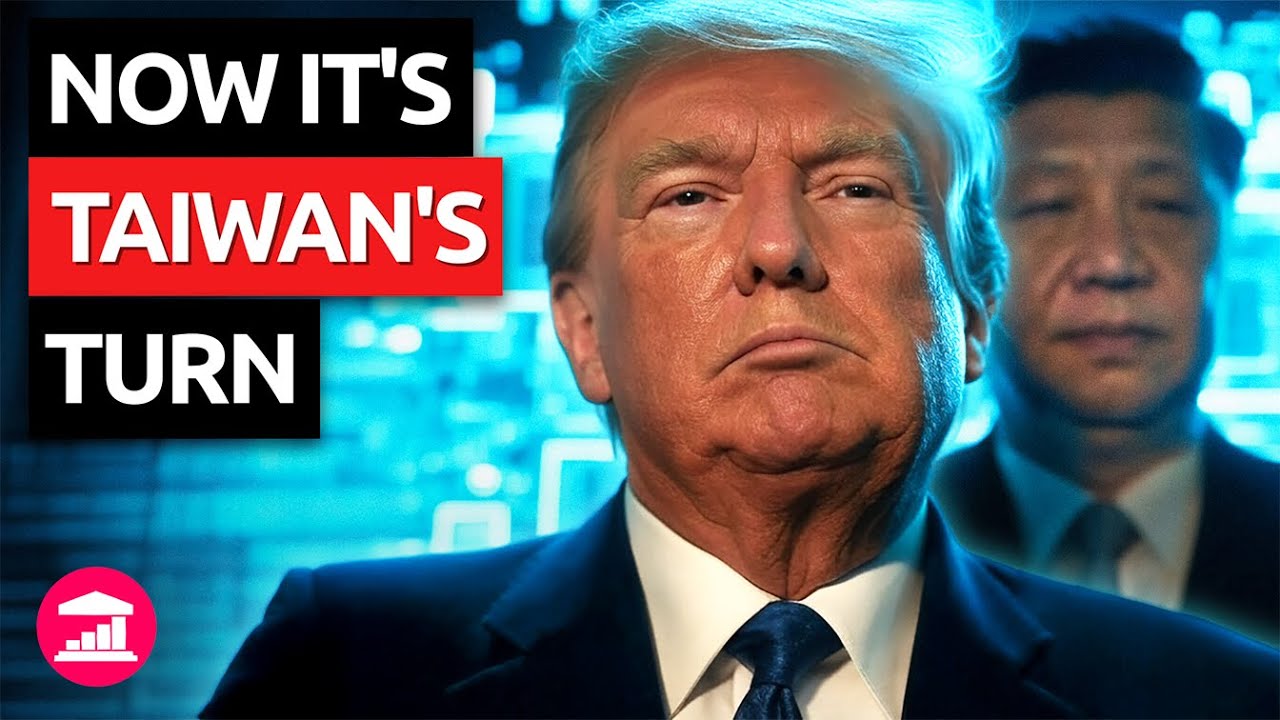
Taiwan: Is the "Silicon Shield" collapsing?

Iran lifts Dollar, sinks Euro

Germany doesn't want any more migrants?
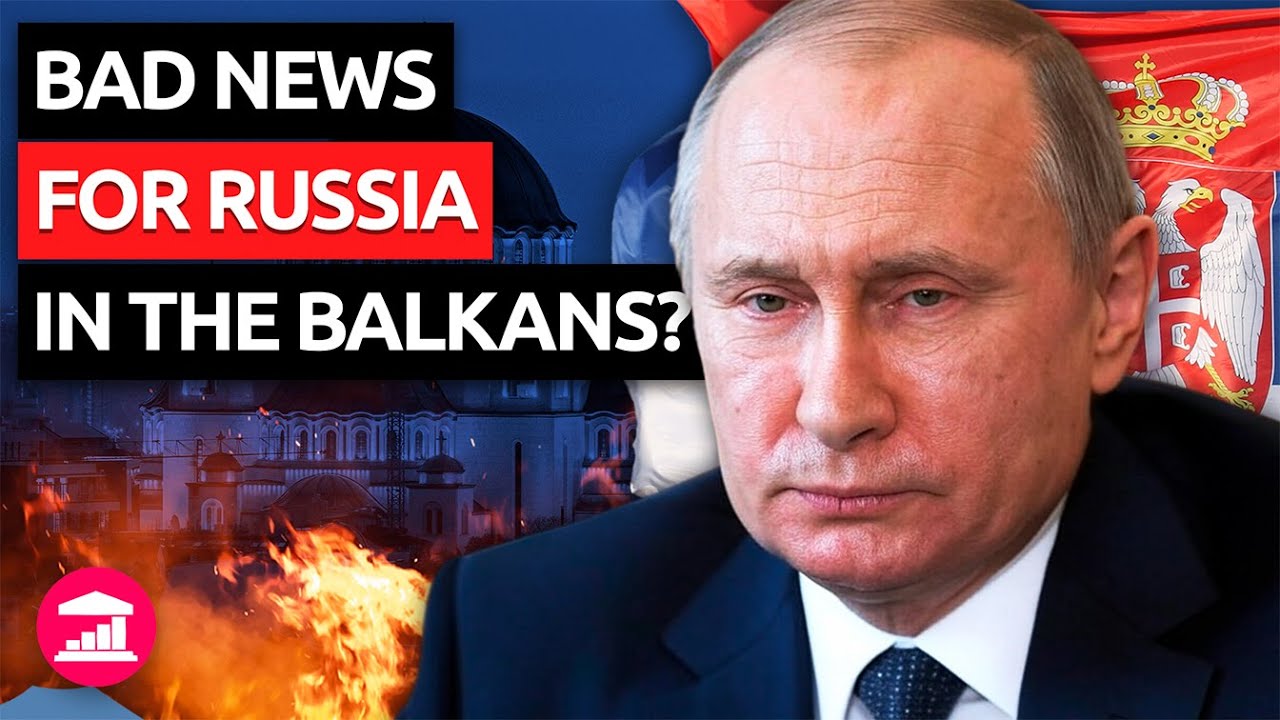
Russia's "Alliance" in the Balkans is sinking
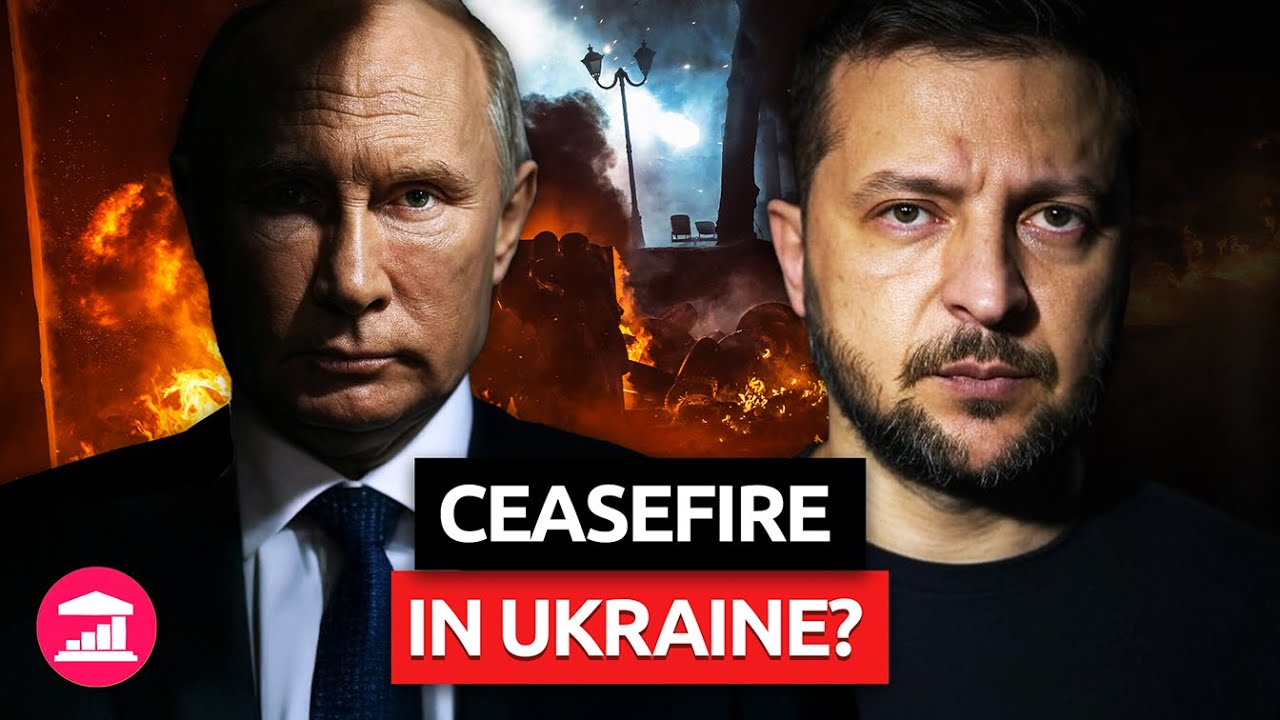
Ukraine: Problem with the ceasefire?
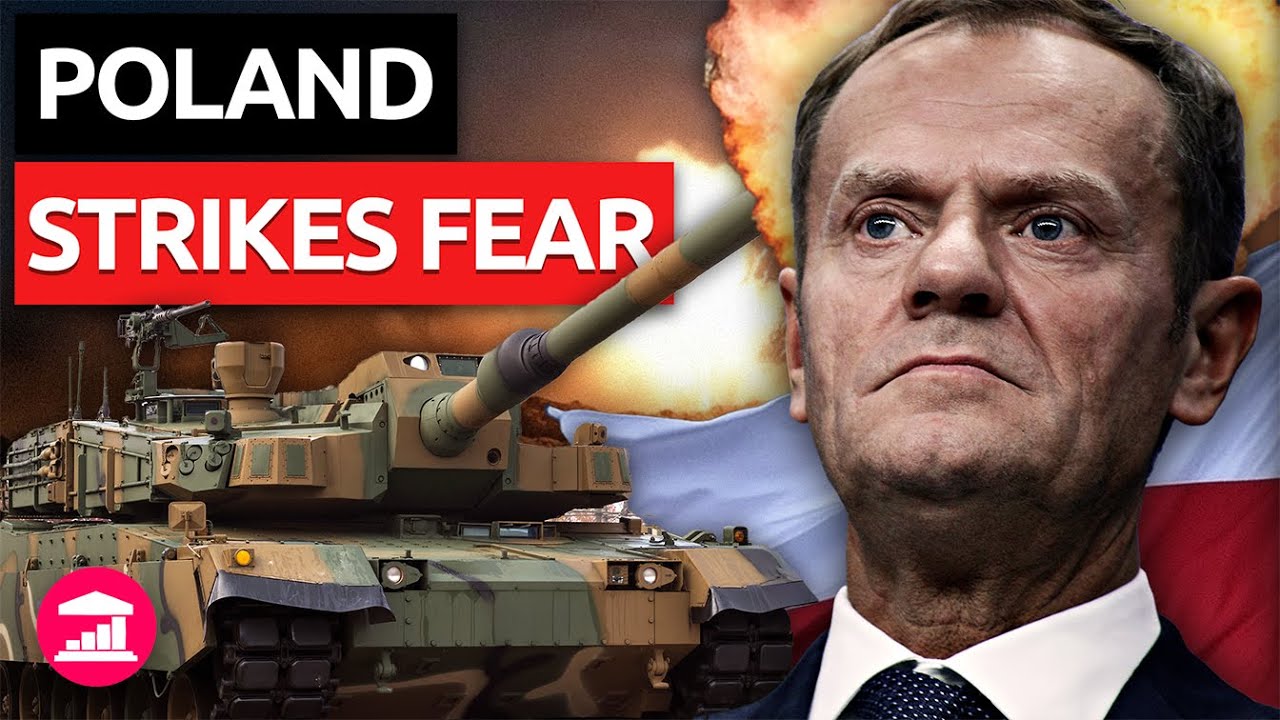
Nuclear weapons for Poland against Russia?
Canada challenges Trump on Tariffs
Trump, Putin and the question: What now?
Israel escalates War to crush Hamas
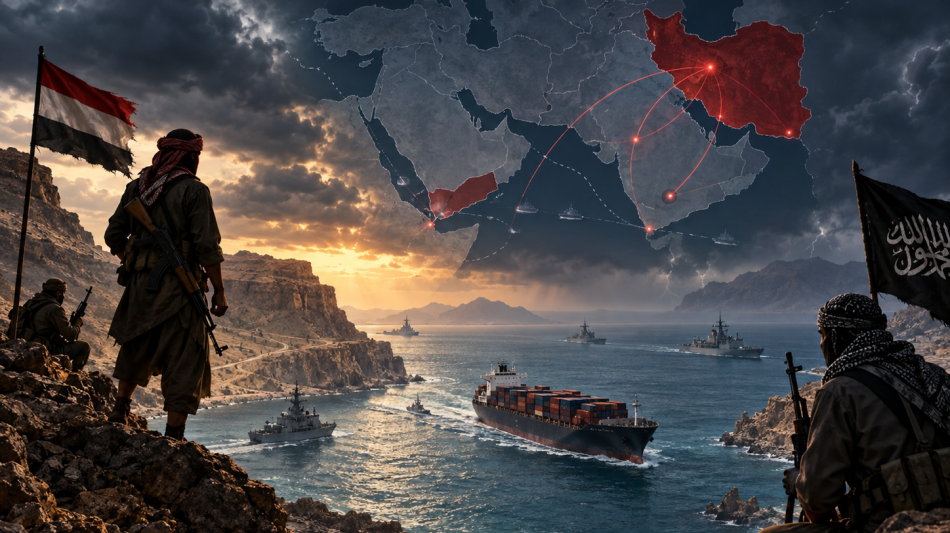
Houthis and al-Qaeda
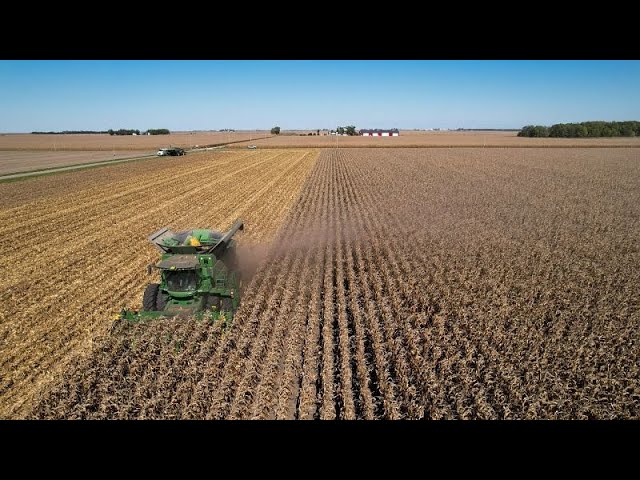
EU: Greenpeace warns of dying farms