-
 Micron's Taiwan workers say 68 months' bonus not enough
-
'Another arrow to the quiver': World Bank posts record private capital mobilization

-
 Canada's Carney pushes 'new alliance' with EU despite Trump threats
-
Ireland to boycott Eurovision 2027 over Gaza

-
 Beyond Investment Returns: Families Are Measuring Wealth by Freedom, Continuity, and Legacy, According to Nour Private Wealth
-
India's Tata Sons reappoints N. Chandrasekaran as chairman

-
 King Charles disputes claims in book by Princess Diana's brother
-
Germany urges EU action against China to defend carmakers

-
 Nepal floods among 'most challenging' disasters: WFP
-
Japan eyes changing prostitution law to punish sex buyers

-
 Kids and social media: what would change under new EU law
-
Modi pitches India as global chipmaking hub

-
 King Charles to call on tech giants for 'reassurances' over AI
-
Ukraine plans record defence spending in 2027

-
 STARPRIME Responds to Diverging Gold Market Demand with AM/PM Fixing and XAU24/7
-
NASA scan discovers new, 'once in a century' Moon crater

-
 Where the US-China tariff row stands ahead of White House summit
-
Most stocks rise as Fed hikes and indicates drive to curb inflation

-
 Indonesia cash-for-photos scheme turns animal hunters into protectors
-
UK-Sudanese author pens book to give children 'African history of Africa'

-
 Bayer to Present How it Rebuilt Global Planning with OMP at Gartner Supply Chain Planning Summit 2026
-
Argentine judge orders suspension of Falklands oil project

-
 US Congress passes sweeping Russia sanctions bill
-
US Fed raises rates to tackle 'too high' inflation, irking Trump

-
 US stocks fall, dollar gains after Fed lifts interest rates
-
Turkey releases 106 protesters, jails more LGBTQ activists

-
 US Fed raises rates to tackle 'too high' inflation in move sure to rile Trump
-
Candidate for UN chief calls for AI regulation akin to nuclear weapons

-
 US Fed raises rates to battle inflation in move likely to rile Trump
-
'We're losing control,' AI pioneer Yoshua Bengio tells AFP

-
 US House faces test on sweeping Russia sanctions bill
-
IR-MED and Dice Technologies Announce collaboration to Evaluate and Advance Pressure-Injury Prevention Platform in Japan

-
 British PM says to make 'difficult decisions' as inflation rises
-
Watts, Pitt, Cruz to light up Spain's top film festival

-
 Global fuel price demos: a round-up
-
Toogood Gold's Table Mountain Sits in the Shadow of a Nevada Gold Rush

-
 Leverate Launches MCP for Traders to Connect AI Assistants With Trading Platforms
-
MEXC July–August Security Report: 38.66M USDT in Risk Funds Intercepted, Futures Insurance Fund Hits 792M USDT

-
 MEXC Launches $1M "Discover Your Wall Street DNA" Campaign to Help Traders Find Their Market Fit
-
Emporio Armani names Dario Vitale new creative director

-
 Stocks edge higher ahead of US Fed rate call
-
EU to ban social media for under 13s, curb access until 15

-
 BASIS.pro Expands On-Chain Infrastructure with XDC Network Partnership and Zypher DAO as Auto Earn Goes Live
-
Wildfires push endangered Sumatran elephants to brink: Indonesian NGO

-
 Pickle-flavoured tart? AI inspires Japan's convenience stores
-
Bank of Japan set to raise rates under pressure from inflation, US

-
 EU chief hosts Canada's Carney in push to 'deepen' alliance
-
EU chief to unveil social media, gaming curbs for under-15s

-
 Meta chief pushes back on AI slowdown calls
-
'Resident Evil' film brings video game's ethos to the big screen

Tanks in Gaza - Hopes dim?
Israeli armour pushed deep into Gaza City this month, marking a renewed ground phase of the war that began after the 7 October 2023 Hamas attacks. The advance, supported by sustained air and artillery strikes, has driven fresh displacement from the north of the enclave and re‑ignited a diplomatic clash over Palestinian statehood.
At the United Nations General Assembly on 26 September, Prime Minister Benjamin Netanyahu used a high‑profile address to rebuff mounting international pressure for a two‑state outcome. He derided the latest wave of recognitions of Palestinian statehood by key Western capitals and repeated his long‑stated position that sovereignty west of the River Jordan must remain under Israeli control. In the same breath, he pledged to continue the campaign in Gaza until Hamas is dismantled and hostages are returned.
The duelling military and political tracks are tightly entwined. Israel’s ground manoeuvres, including tanks entering and encircling sectors of Gaza City, have coincided with a diplomatic realignment: the United Kingdom, Canada and Australia announced formal recognition of a Palestinian state during the week of 21–22 September, followed by France. Those moves, championed as an effort to salvage a two‑state horizon, were condemned by Israel as rewarding violence and dismissed by Mr Netanyahu as incompatible with Israel’s security imperatives. Washington, by contrast, has not joined the recognitions; the Trump administration has floated a new framework while urging progress on a hostage deal.
Inside Gaza, the humanitarian picture is stark. According to Gaza’s Ministry of Health, relayed through UN briefings, at least 65,419 people had been killed and 167,160 injured as of 24 September 2025, with casualty tallies rising during the latest Gaza City offensive. UN humanitarian officials report that only 14 hospitals remain even partially functional across the Strip—none at full capacity—after a series of closures and damage in September. Aid pipelines have been repeatedly disrupted by insecurity, route closures and fuel scarcity, compounding the risk of famine in the north.
The conflict’s spillover remains acute in the occupied West Bank, where hundreds of Palestinians have been killed or injured this year amid raids, settler violence and protests. Humanitarian monitors say the tempo of demolitions and displacement continues to rise, deepening the governance and security vacuum.
Israel argues that Gaza City is now the last significant bastion of organised Hamas resistance; military officials say the current operation is designed to break that cohesion while pressing for the release of remaining hostages. Palestinian civilians, many displaced multiple times, describe an impossible calculus as evacuation orders repeatedly shift across neighbourhoods without the guarantee of safe passage or shelter.
Diplomatically, recognition has symbolic punch but limited immediate effect on the ground. It hardens international expectations for a negotiated two‑state endgame even as Israel’s leadership rejects it; it also introduces new friction with allies over settlement expansion and the status of Jerusalem. For Palestinians, the cascade of recognitions confers legal and political standing, but cannot by itself halt fighting, deliver aid at scale or compel a ceasefire.
That gap—between the armour on the streets of Gaza and the speeches in New York—defines the present moment. Tanks and bulldozers are redrawing realities block by block; chancelleries are redrawing their maps of legitimacy. For now, the military logic and Mr Netanyahu’s rhetoric point in the same direction: a prolonged campaign with no near‑term pathway to an independent Palestinian state.
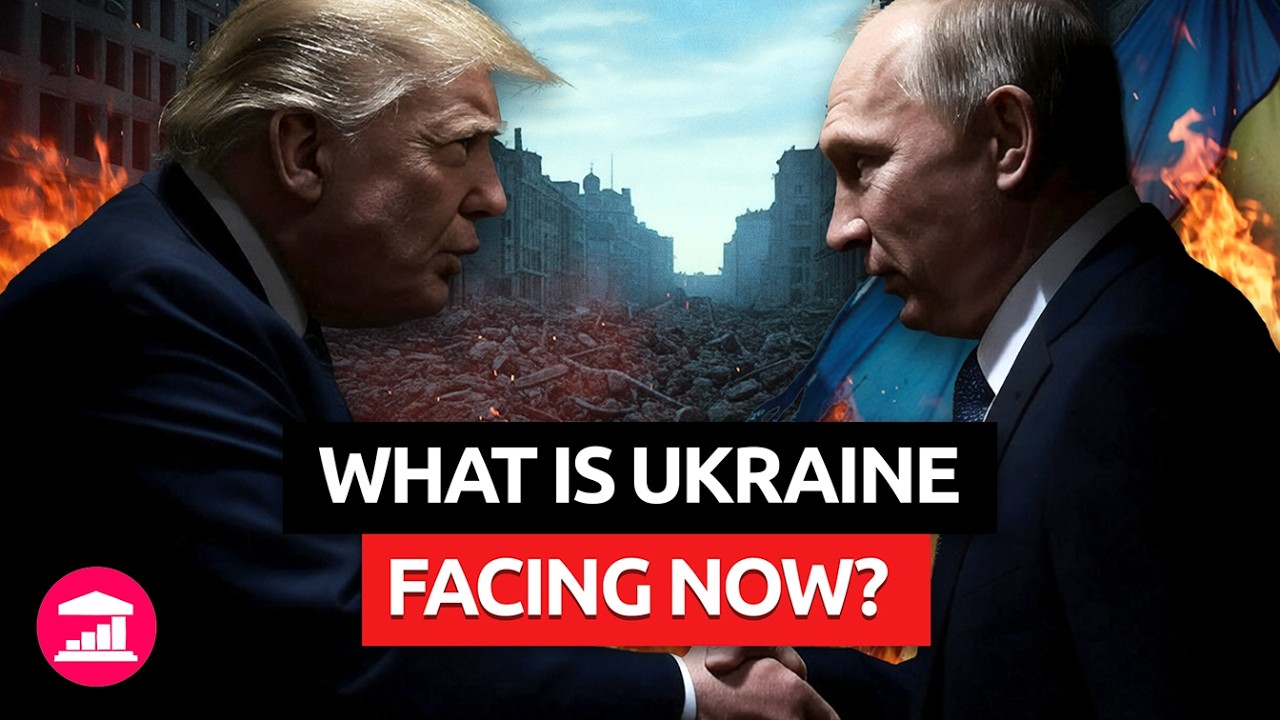
Russia and the terrorism against Ukraine
Wealth that Brazil is not utilizing!
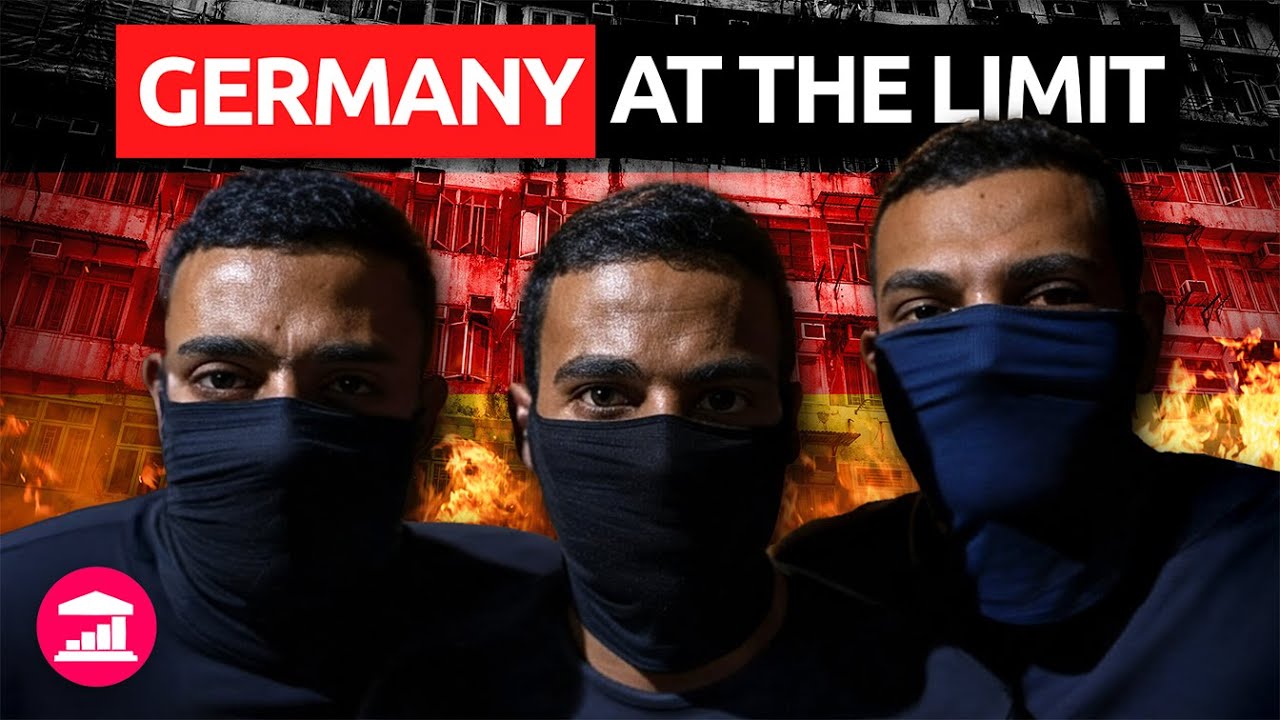
Germany doesn't want any more migrants?
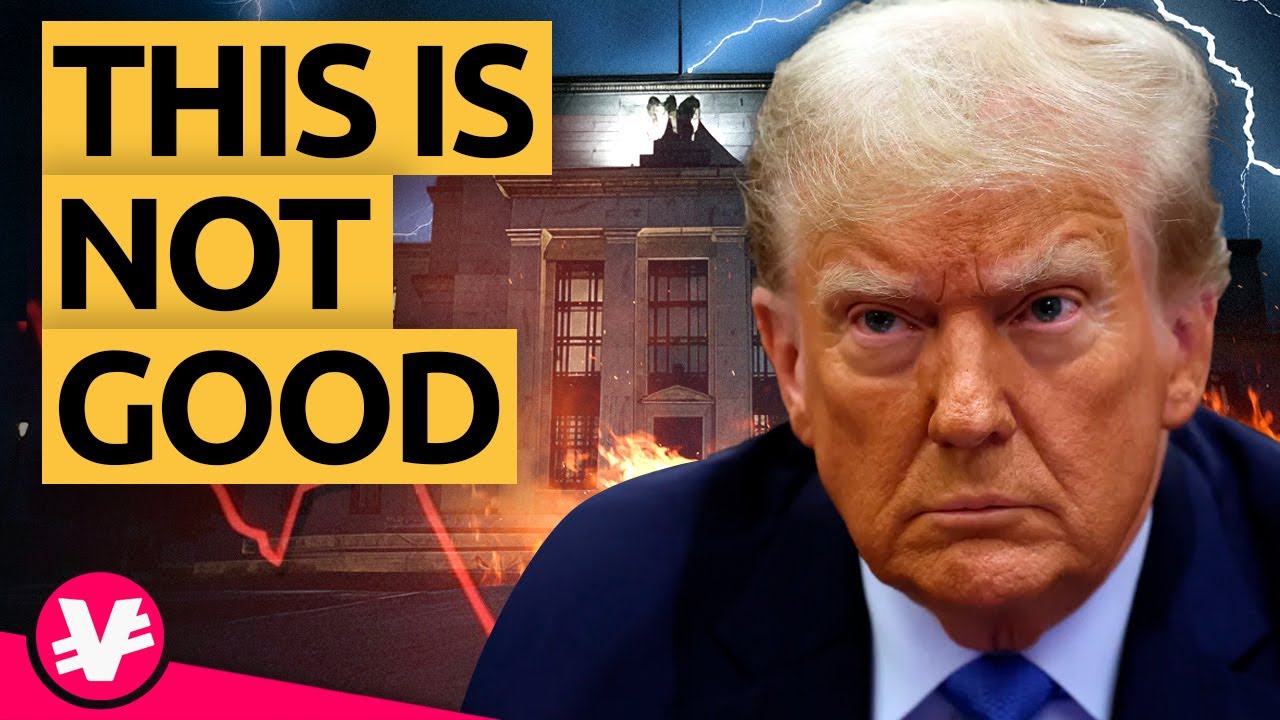
US Federal Reserve with “announcement”

EU: Greenpeace warns of dying farms
Terrorist state Iran: ‘We are ready to attack Israel again’

EU: Austrian elections shake Establishment
Ukraine: Recruiters searched Kyiv venues
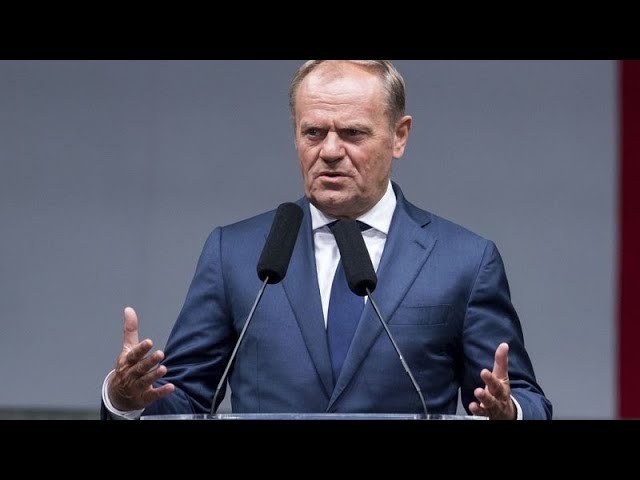
Polish PM and the danger of asylum seekers
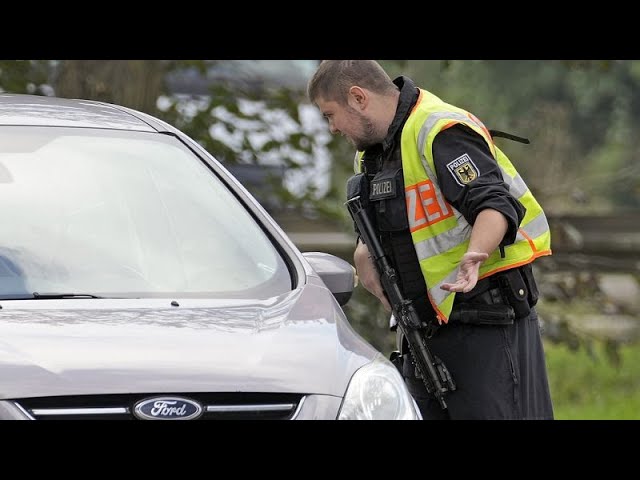
Germany: The fight against economic migrants
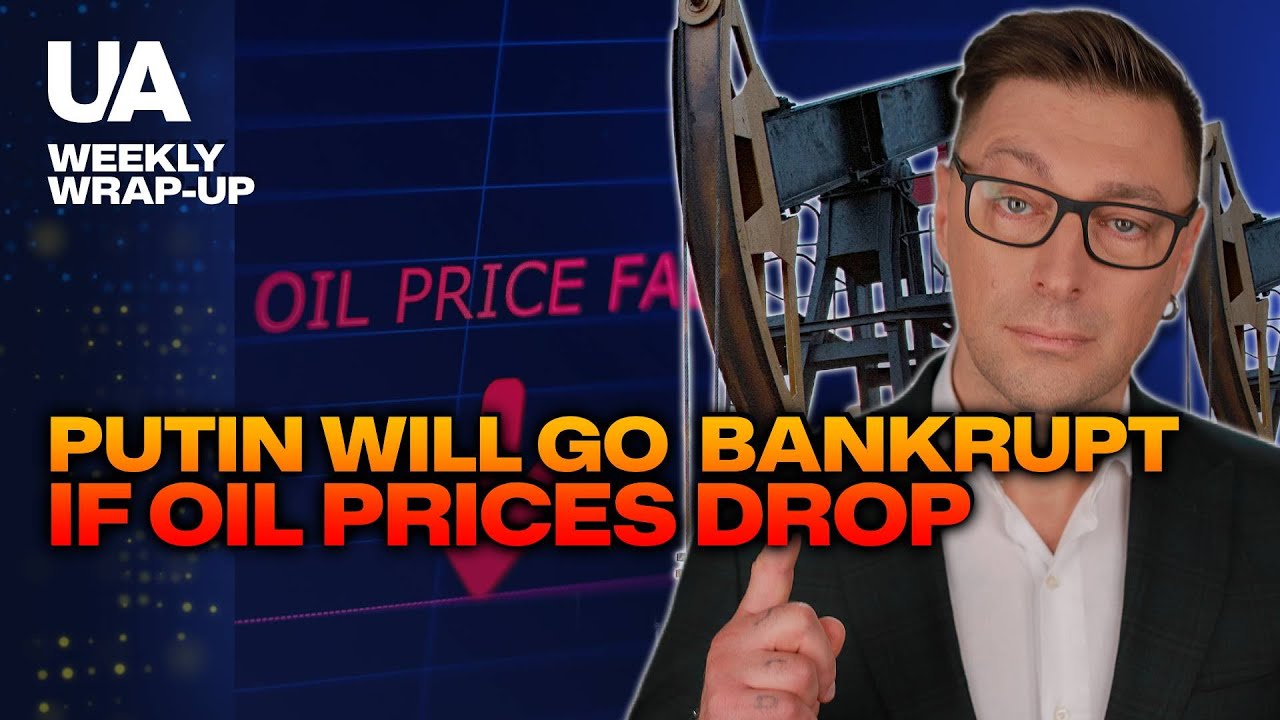
Putin's War Will Go Bankrupt if the Oil Prices Drop